Lee Fabia
Catanduanes, dubbed the Happy Island, is a province in the eastern part of the Bicol Region. Known for its dramatic coastlines, lush hills, and resilient spirit, it’s often the first to greet typhoons—but behind the clouds lies paradise. From sunrise cliffs to quiet lagoons, Catanduanes offers soul-stirring landscapes and heartfelt local hospitality.
It’s the Abaca Capital of the Philippines and a leading global producer of Abaca fiber. With her its rich geological history and fossil sites, it’s being considered for UNESCO Geopark status.1 She knows what relaxation is for and she’s waiting for you to be mesmerize in her beauty!
📋TABLE OF CONTENTS
I – WHAT YOU NEED TO KNOW
Located on the easternmost edge of Luzon, Catanduanes is part of the Bicol Region, bordered by the Maqueda Channel to the west and the vast Pacific Ocean to the east. She is known as the “Land of the Howling Winds,” a term used to mean a place usually is passed by strong winds, given her unique position in the Philippine archipelago.
Geography & Terrain
Catanduanes is a mix of rugged mountains, lush forests, and dramatic coastlines. Its terrain is shaped by volcanic origins and tectonic shifts, giving rise to fossil-rich cliffs, rolling hills, and hidden lagoons. The island’s highest peak, Mount Cagmasoso, watches over sleepy towns and winding rivers.2
History & Heritage
The name “Catanduanes” is believed to come from “Tandu,” a native beetle, and “Katanduan,” meaning a place where Tandu thrive. Spanish missionaries arrived in the 16th century, building stone churches and introducing Catholicism, which remains to be the the dominant religion today.34
Religion & Culture
Over 90% of the population is Roman Catholic, and faith is deeply woven into daily life. Town fiestas, processions, and devotion to patron saints are celebrated with music, dance, and food. Beyond religion, Catanduanes is a province of quiet resilience—locals are known for their warmth, hospitality, and deep connection to the land.
Economy & Craftsmanship
Catanduanes is the Abaca Capital of the Philippines, producing some of the world’s finest natural fibers. You’ll find handwoven mats, bags, and textiles that reflect centuries of craftsmanship and pride. 5
Geopark Potential
The island’s unique geological formations and fossil sites have led to its nomination as a UNESCO Global Geopark Reserve. From limestone cliffs to ancient coral beds, Catanduanes is a living museum of Earth’s history.
II – POINTS OF INTEREST
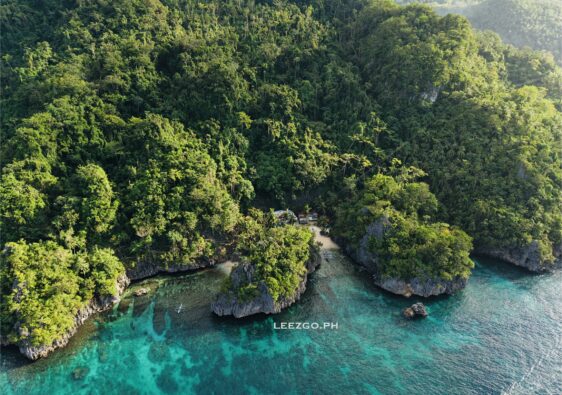
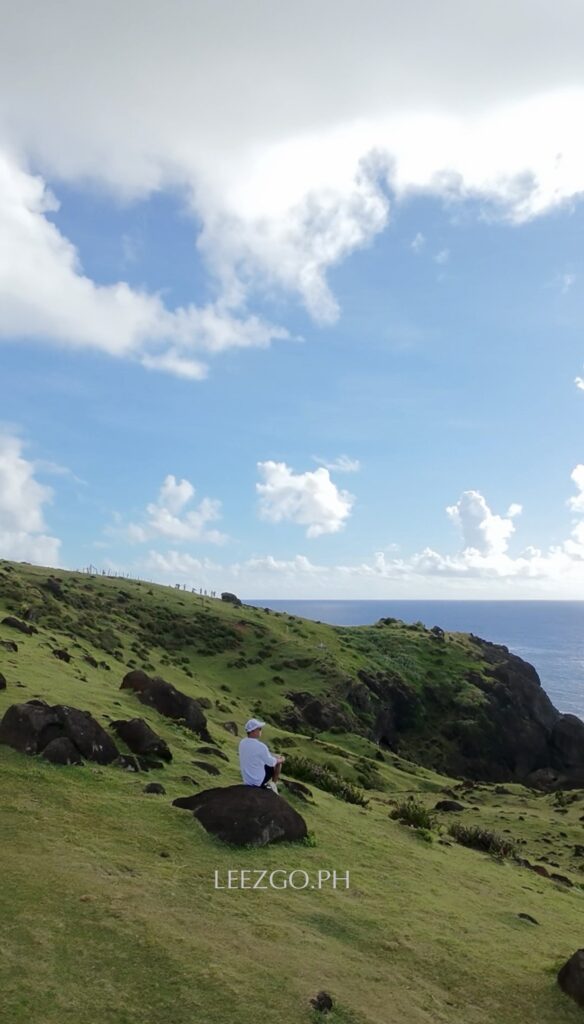
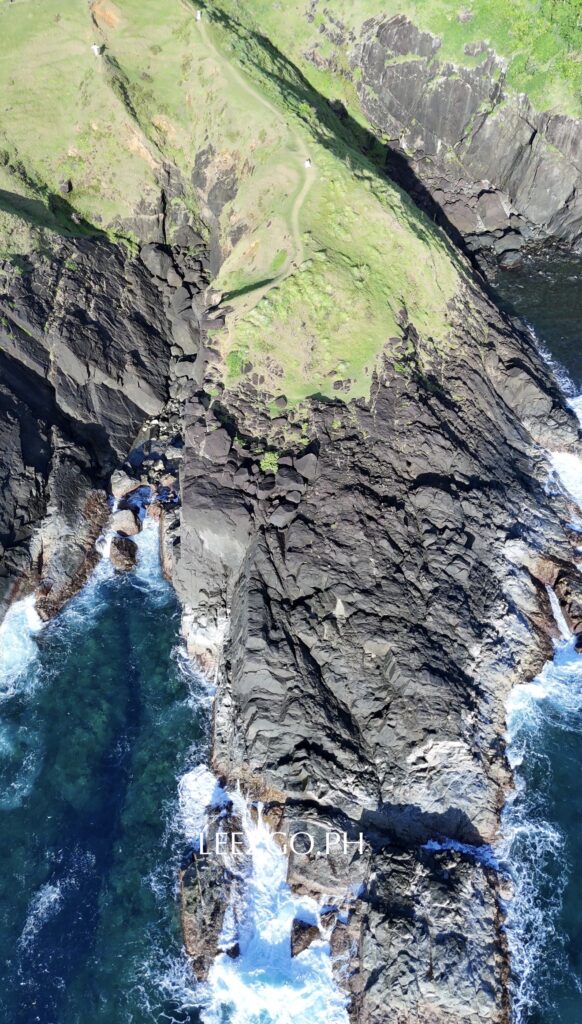
- Binurong Point – Green cliffs perfect for sunrise shots and quiet reflection.
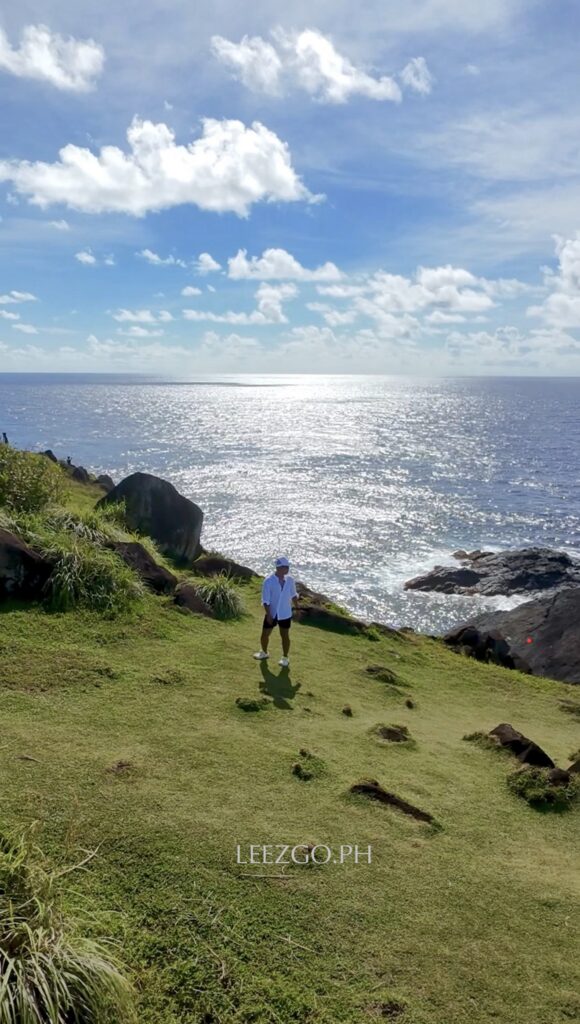
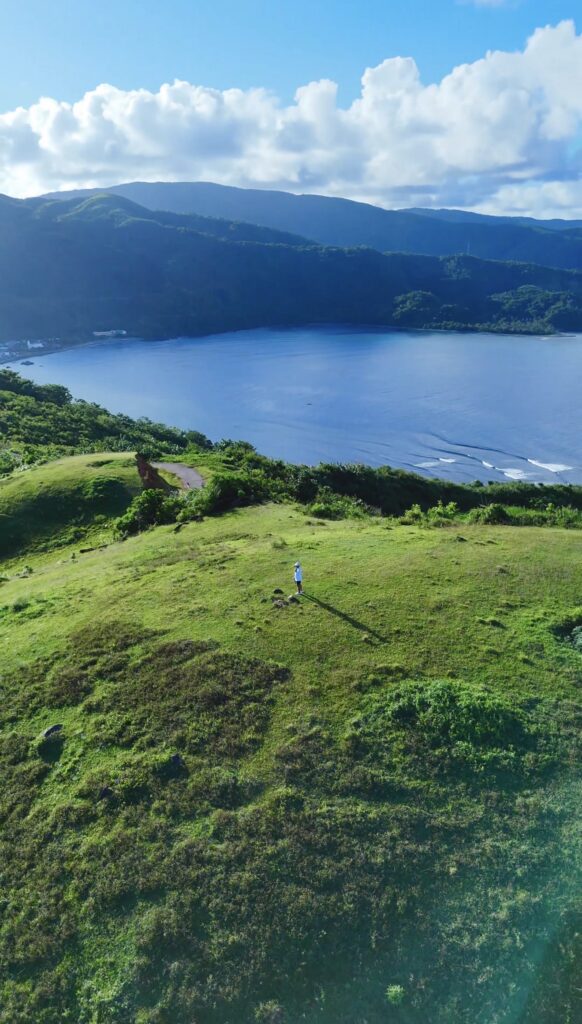
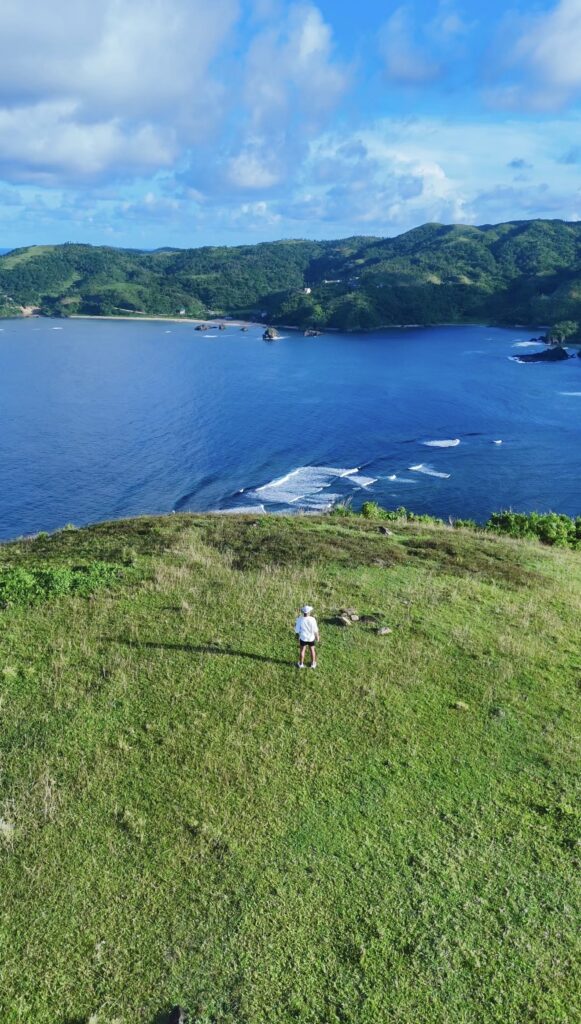
- Balacay Point – Elevated views with Pacific waves on one side, Puraran Beach on the other.

- Cagnipa Rolling Hills – Seemingly like a windows wallpaper, given her natural charm and beauty. No filters, no crowds.
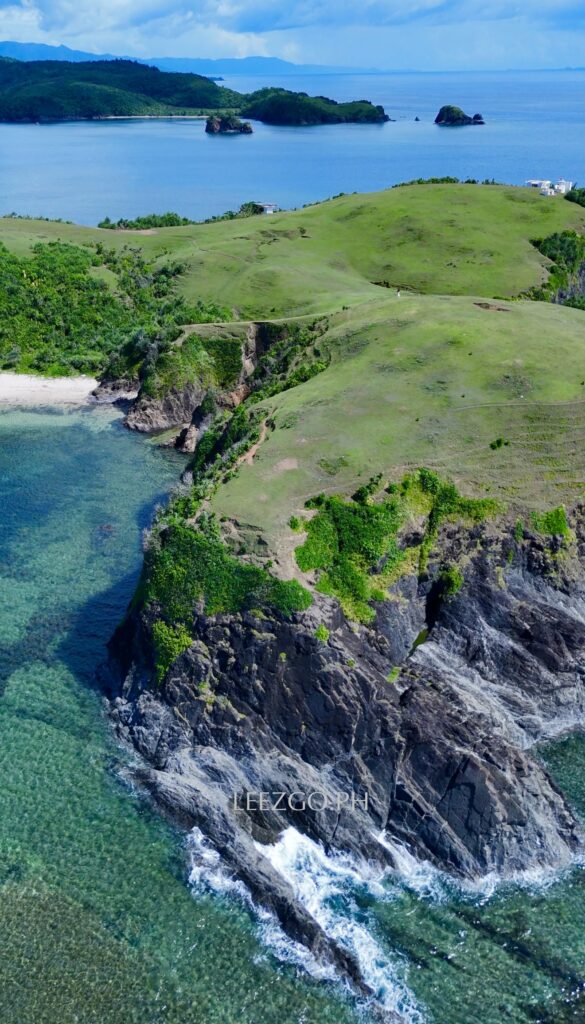
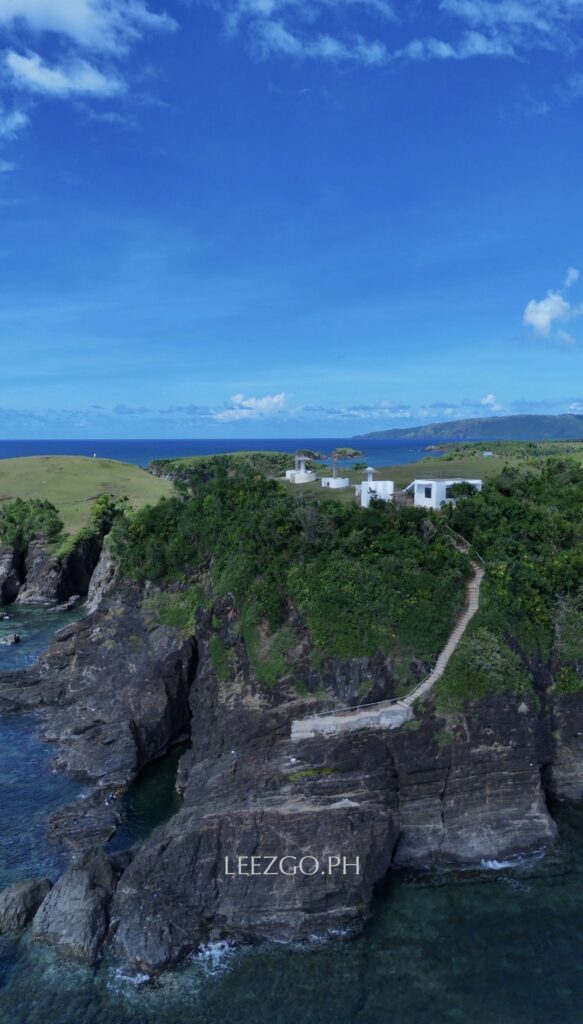
- Paraiso ni Honesto – Quiet, simple, and unexpectedly moving. Meals available on-site.
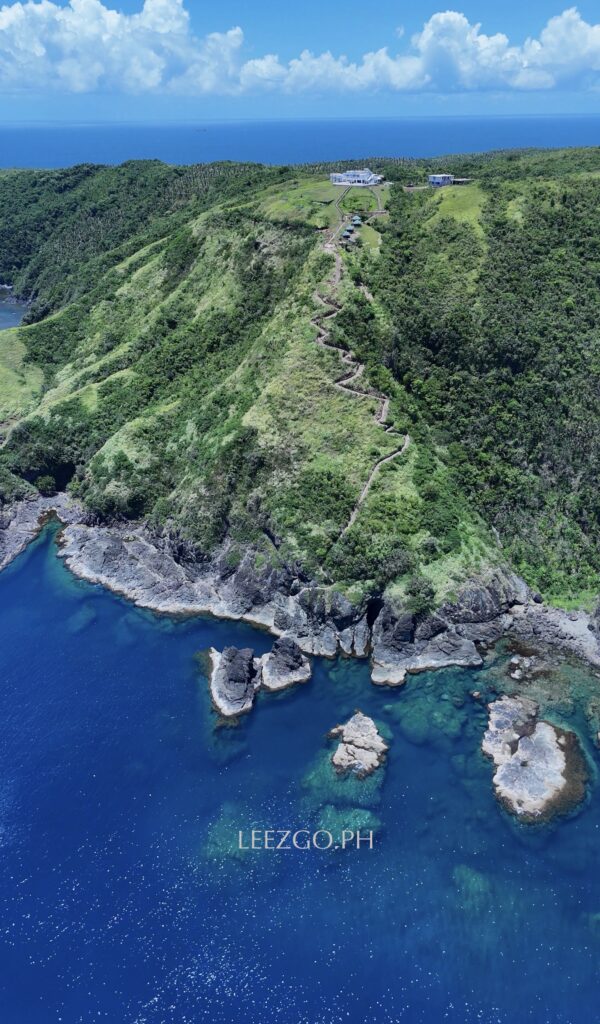
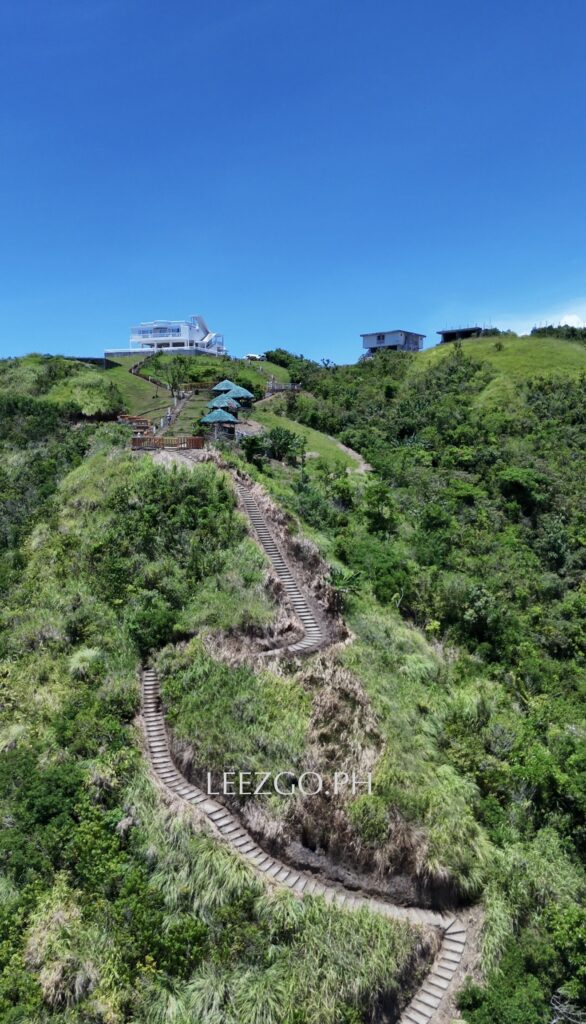
- Muraw Beach & Tuwad-Tuwad Lagoon – Hidden gems in Pandan with crystal-clear waters.
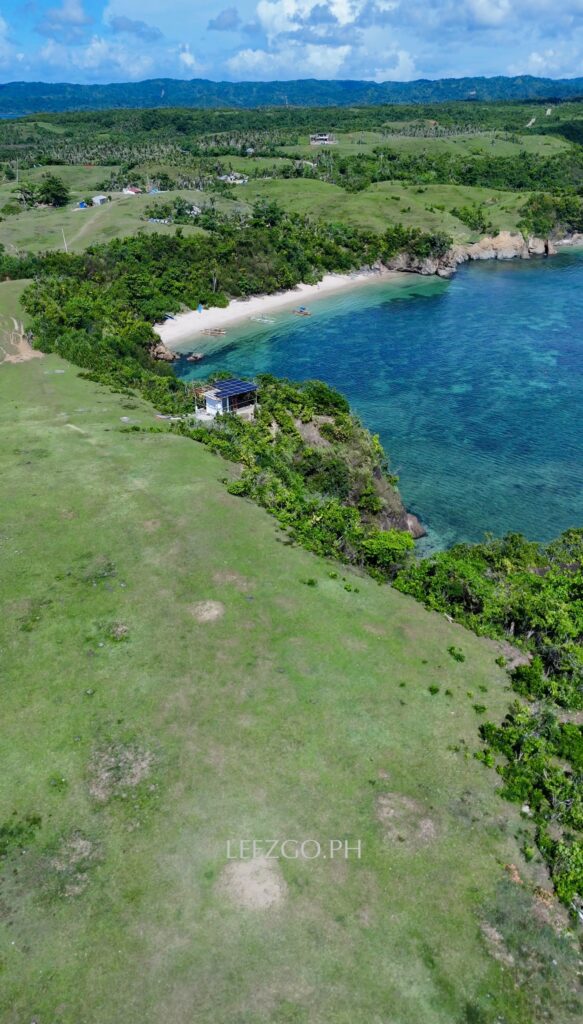
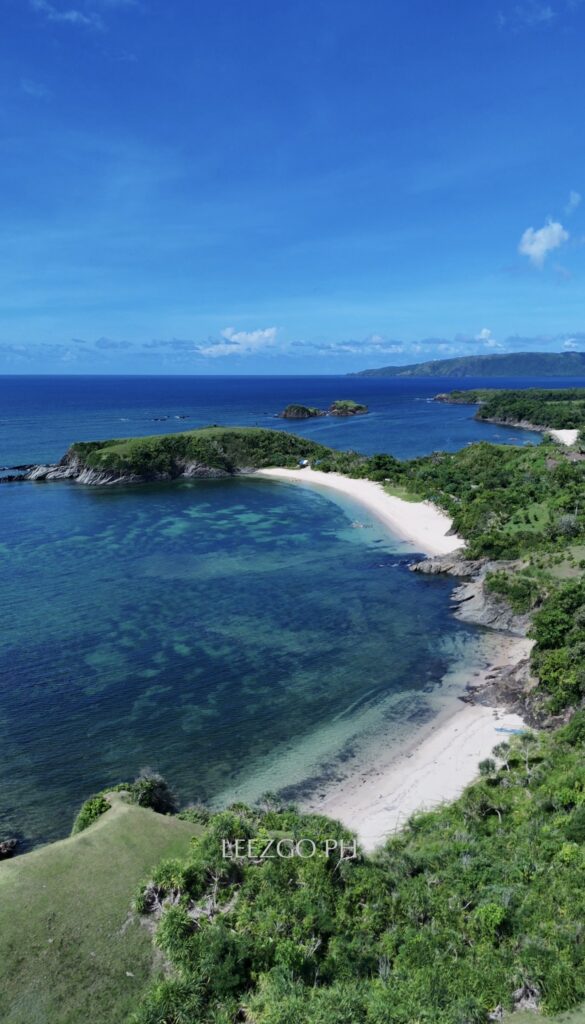

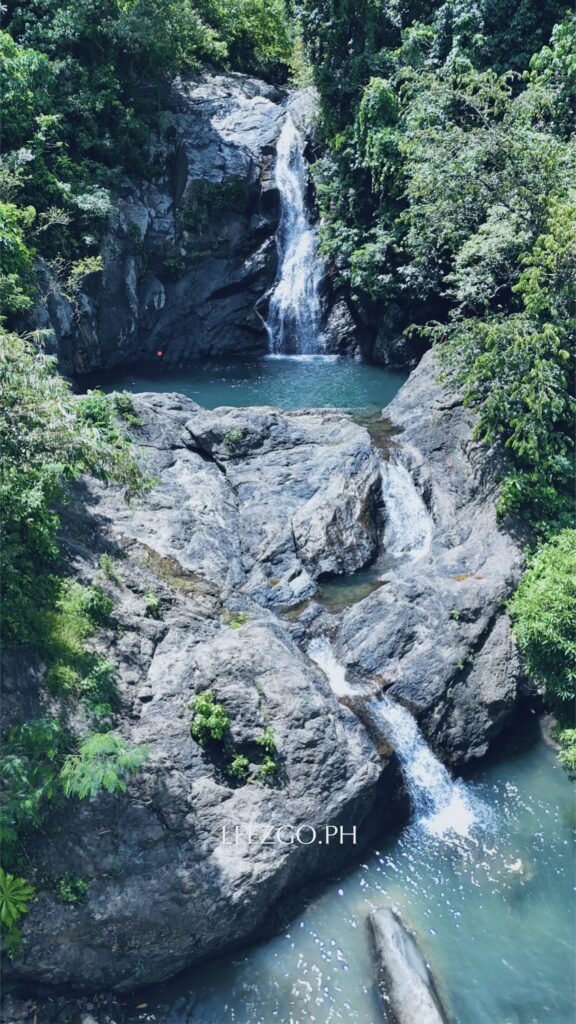
- Maribina, Ba-haw and Nahulugan Falls – Nature’s chill zones with easy access and serene vibes.
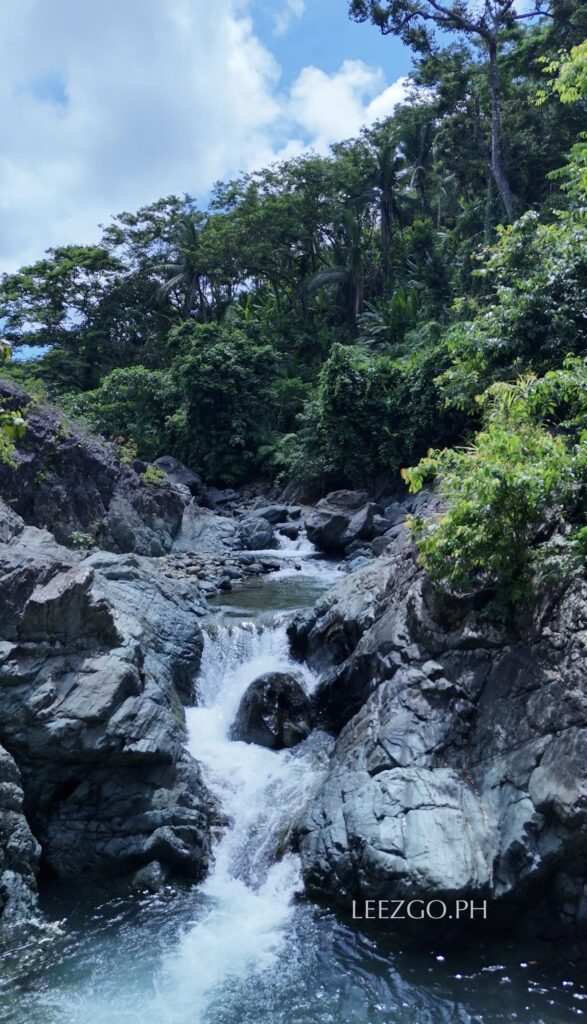
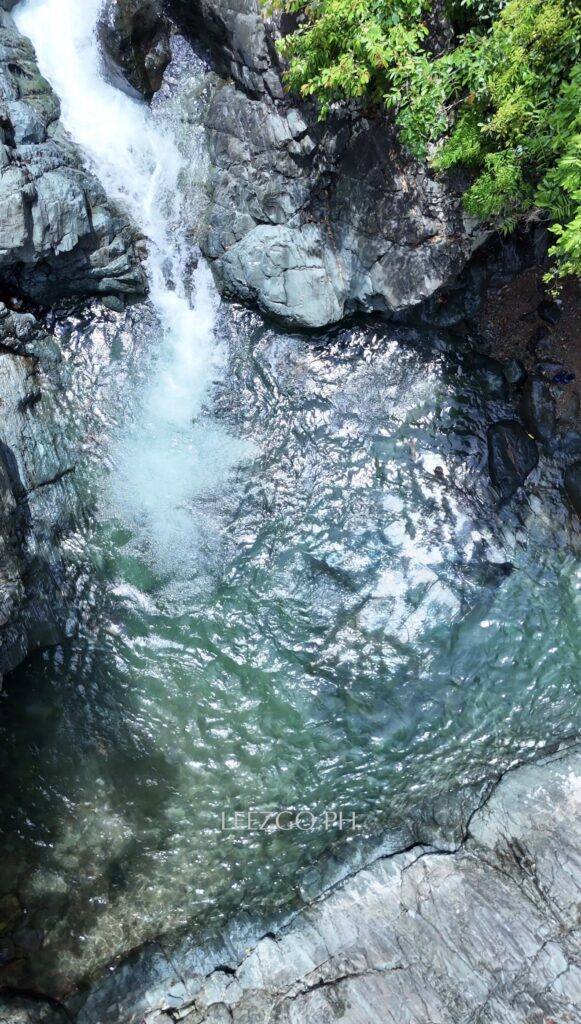
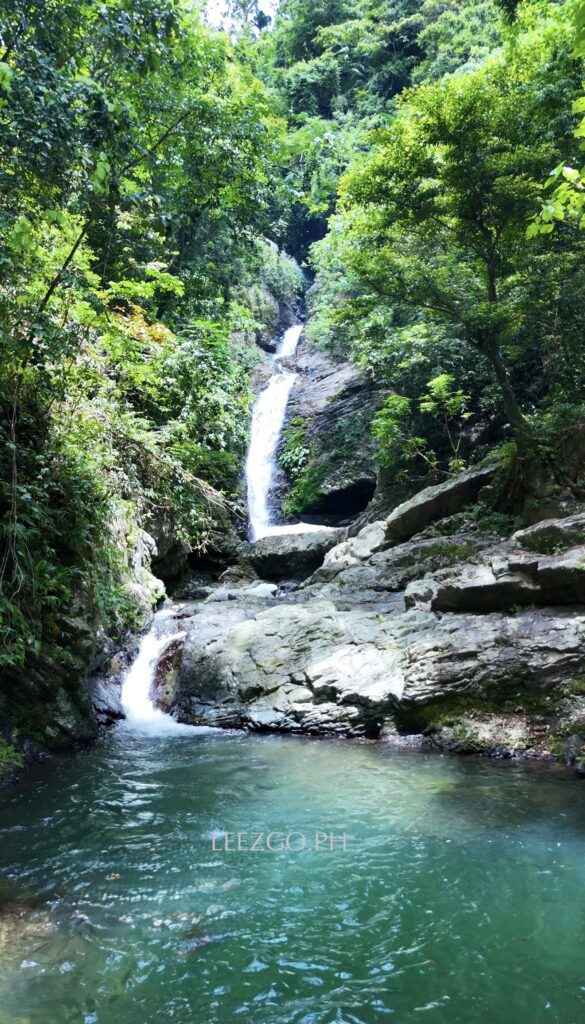
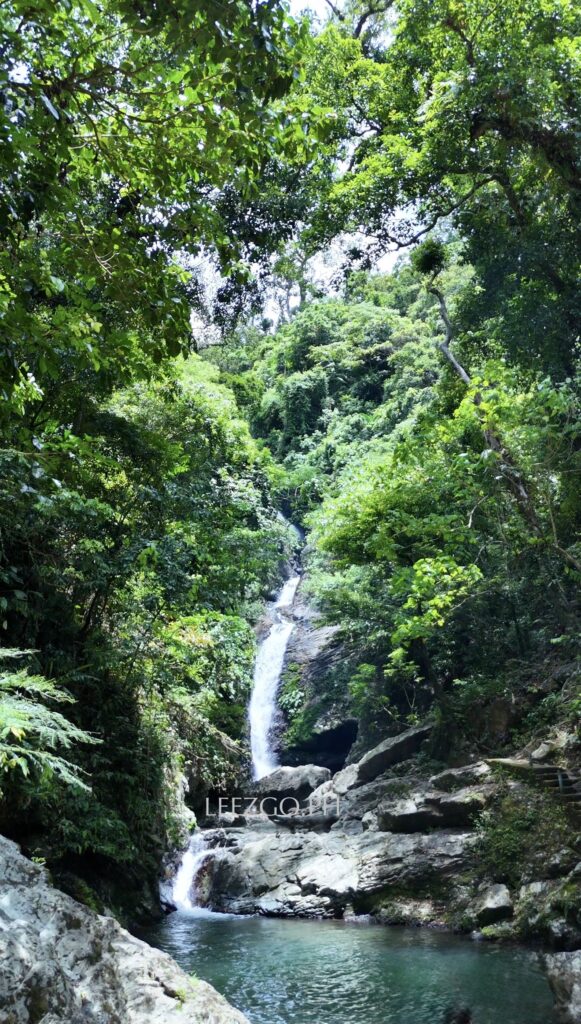

- Blue/Green Lagoon – Free to visit, perfect for a midday dip.
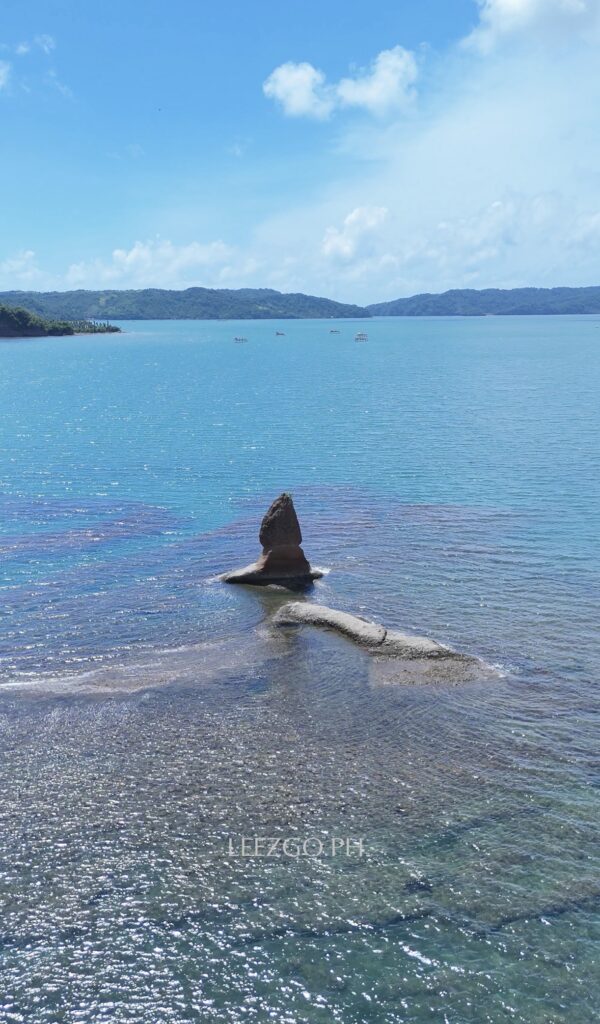
- Twin Rock – a scenic cove known for its calm waters and dramatic coastal views.
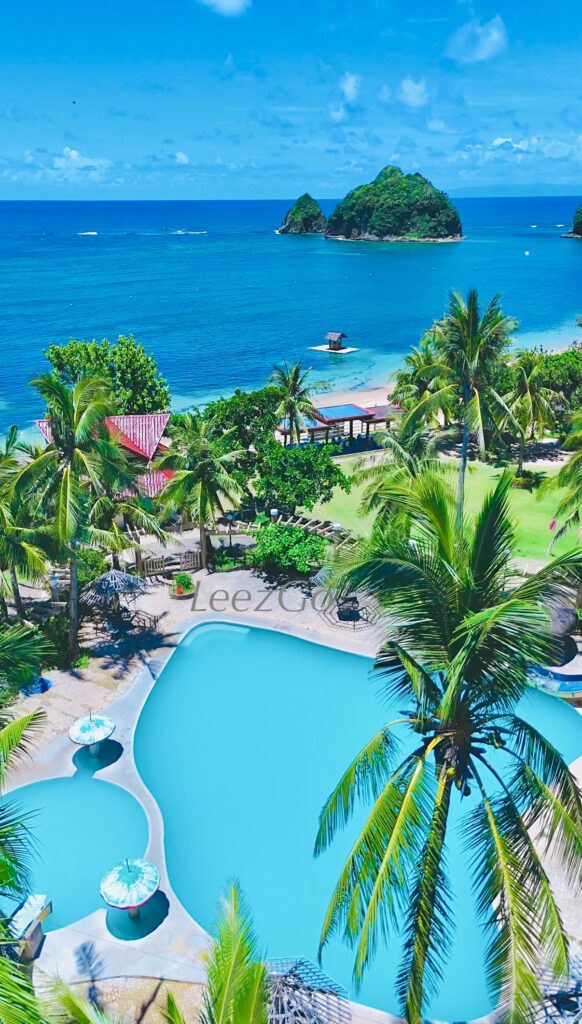

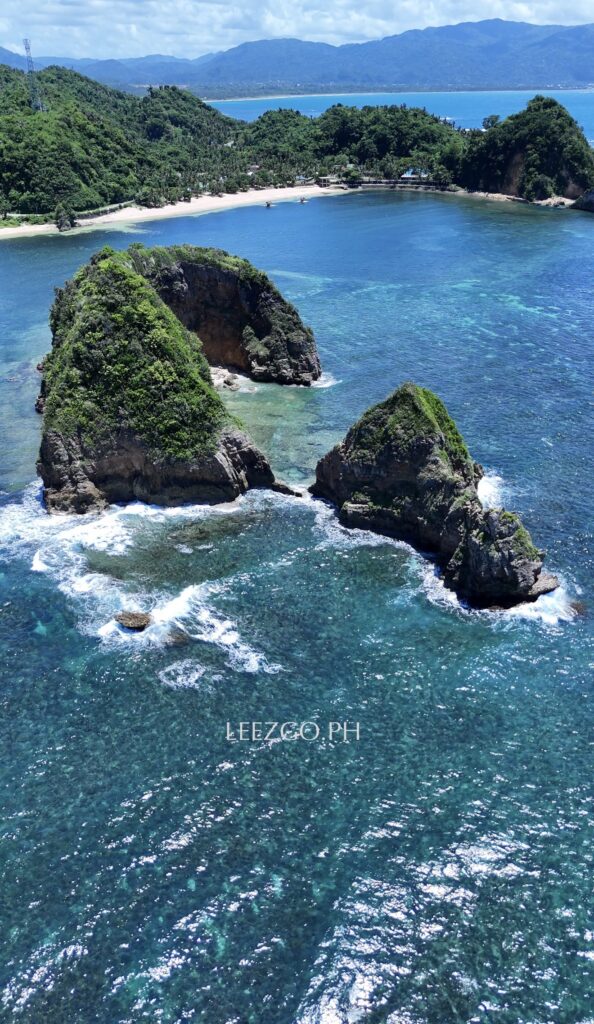
- Tampad Beach – A small, quiet cove tucked within Barangay Talisoy. The natural rock fomartion along the beach is believe by some to resemble Christ. This is the reason why it is sometimes called the “Jesus Face Beach.”
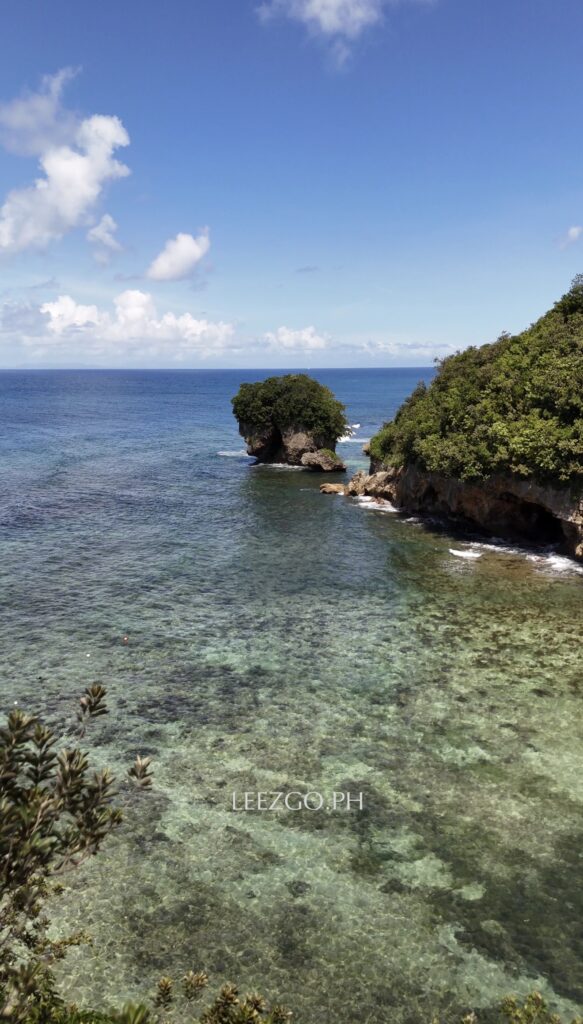
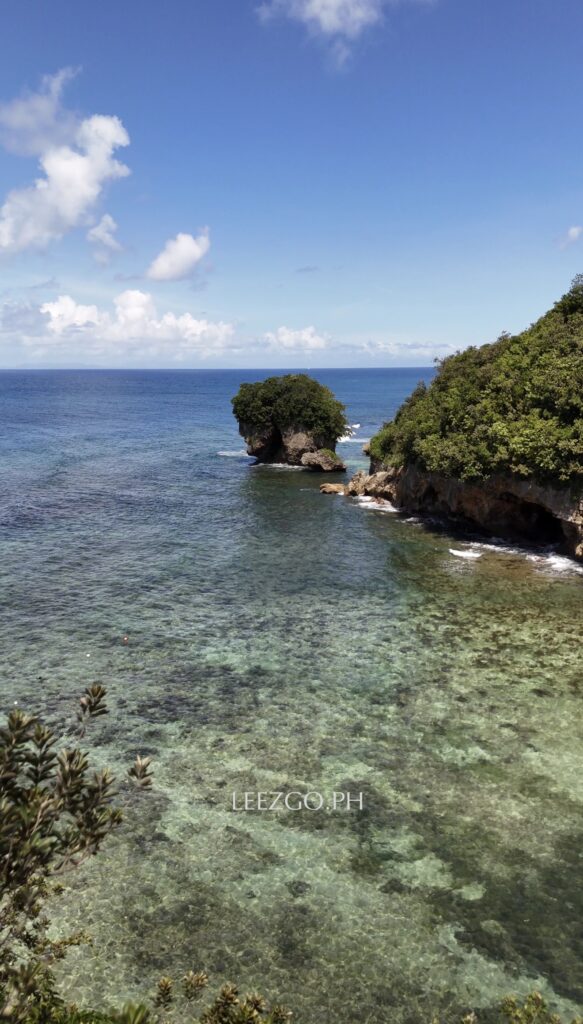
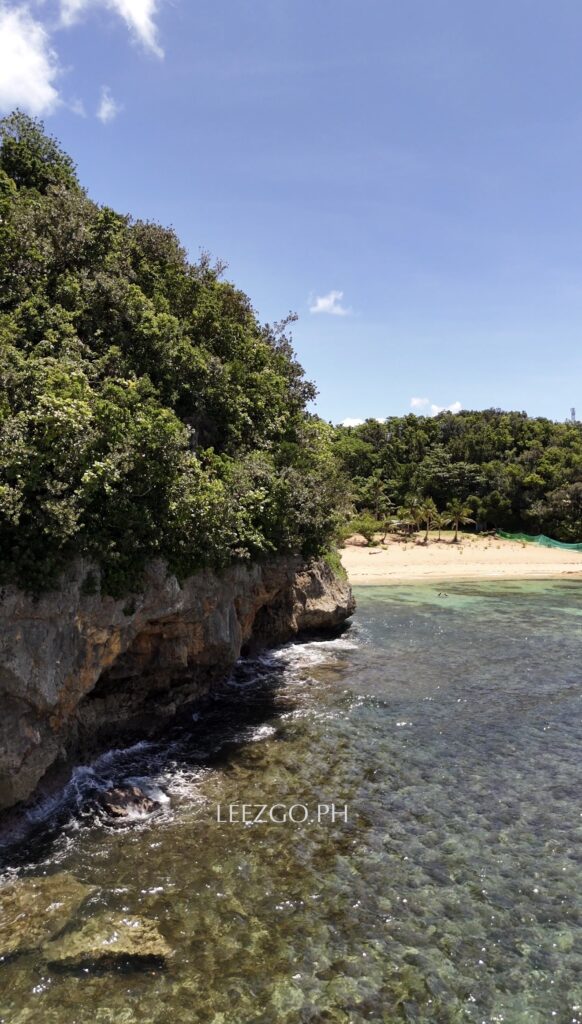
- Bato Church – St. John the Baptist Church, is one of the oldest and most culturally significant landmarks in Catanduanes. Built in 1830, it reflects Spanish colonial architecture and remains a spiritual and historical centerpiece of the town.


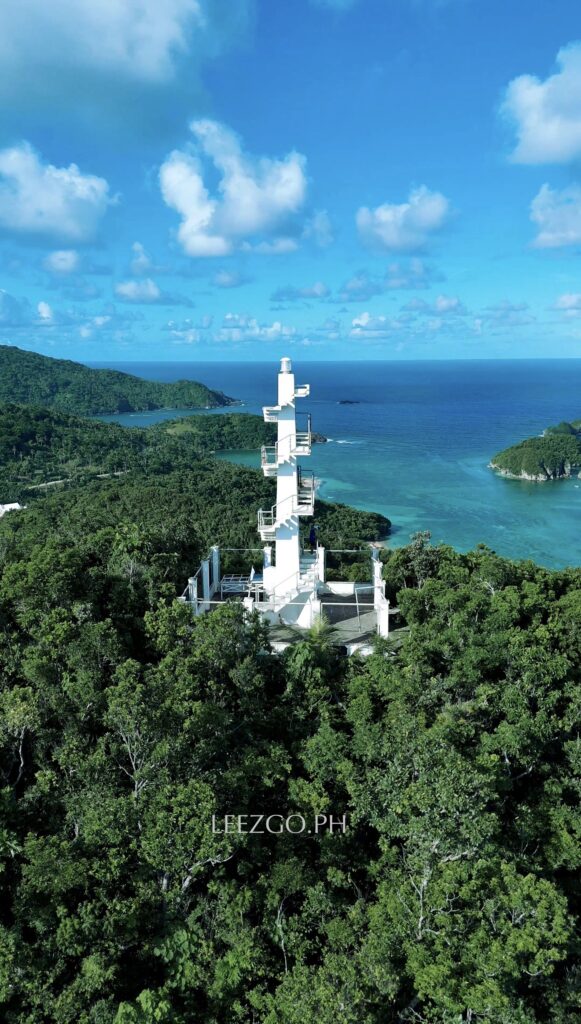
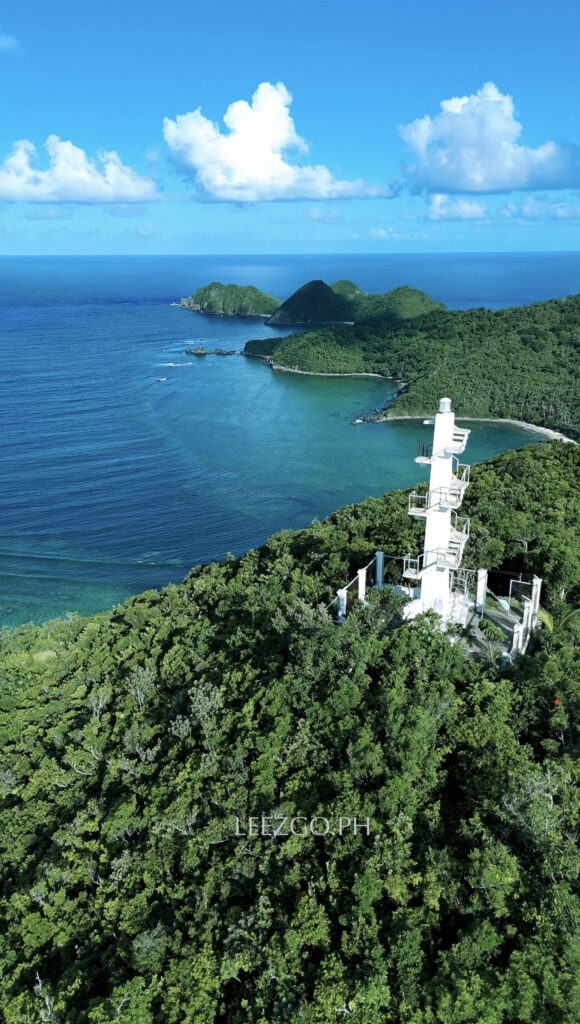
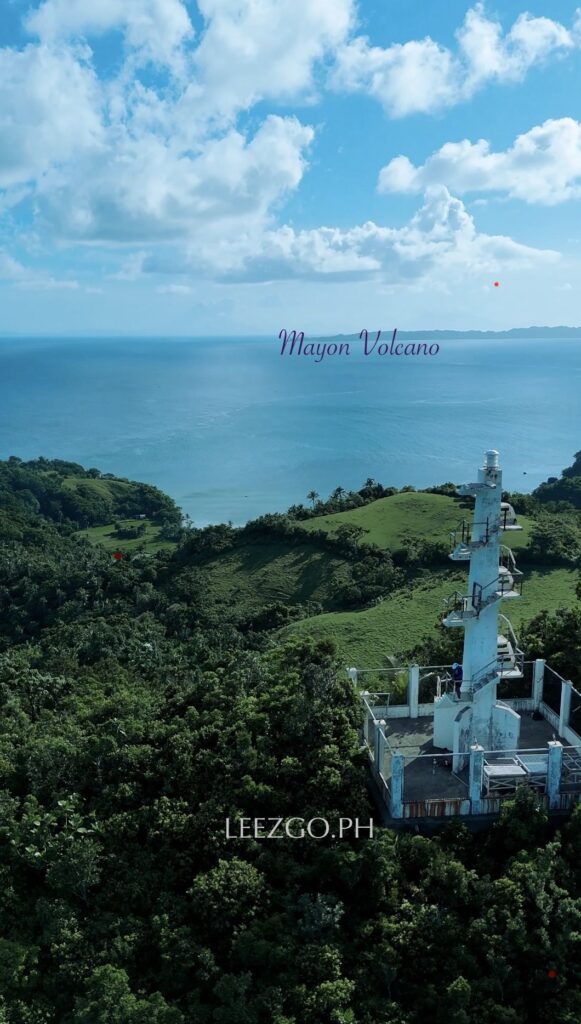
- Bote Lighthouse , Sacahon Beach– A scenic trek destination offering panoramic view of Sakahon Beach, Pacific Ocean and with a luck, a view of the majestic Mayoc Volcano.
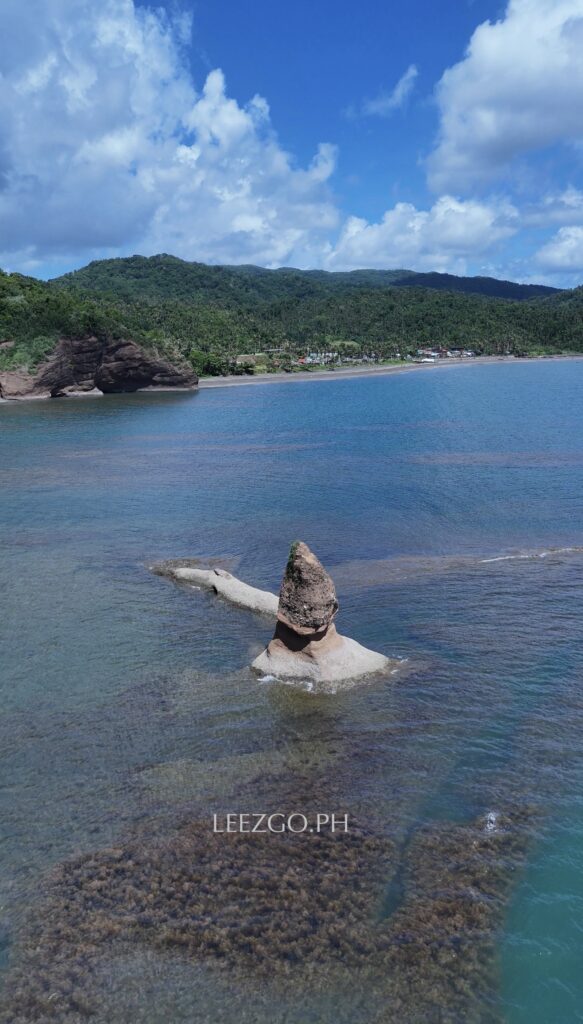
- Summit View Park & Fertility Islet – Great for sunset shots and quiet picnics.
III – HOW TO GET THERE
By Air: Manila to Virac
- Airlines: Cebu Pacific or PAL Express
- Travel Time: Approximately 1 hour and 15 minutes
- Estimated Cost: ₱2,500–₱5,000 (one-way, depending on season and promos)
- Best For: Fast and convenient access to Catanduanes
- Note: Flying is the quickest way to reach the island. Booking early can help secure lower fares.
By Sea: Tabaco City Port to San Andres or Virac
- Route: Ferry from Tabaco City, Albay via San Andres or Virac Port of Catanduanes
- Travel Time: 3 to 4 hours
- Estimated Cost: ₱250–₱400 per passenger
- Best For: Budget travelers, those bringing vehicles, or anyone wanting a scenic sea journey.
- Note: Ferries operate daily, with morning and afternoon trips. The ride offers views of the Pacific and is ideal for those coming from Bicol or nearby provinces.
Land Transfers: Getting Around Catanduanes
- Options: Tricycle (₱50–₱150 per ride), Van rentals (₱1,500–₱2,500 per day)
- Destinations: Baras, Gigmoto, Pandan, Bato, and other towns
- Best For: Exploring local attractions, waterfalls, beaches, and remote barangays.
- Note: Tricycles are great for short distances and town hopping. Vans are better for group travel or reaching farther destinations like Puraran Beach in Baras or the Binurong Point cliffs.
IV – SAMPLE ITINERARY
DAY 1 – VIRAC & BATO
| Time | Activity | Location | Fee/Cost | Food Stop /Accomodation |
| 7:00 AM | Breakfast – Carinderia | Virac | ₱60-₱100 | Cafe de Au |
| 8:30 AM | Beach visit | Tampad Beach | ₱30 | — |
| 10:00 AM | Lighthouse | Bote Lighthouse | ₱30 (entrance) + ₱200 (guide) | — |
| 11:30 AM | Landmark stop | Happy Island Arc | Free | — |
| 12:30 PM | Lunch | Virac | ₱150-₱250 | Casa Remedios |
| 2:00 PM | Heritage site | Bato Church | Free | — |
| 3:30 PM | Waterfalls | Maribina Falls | ₱20 entrance fee | — |
| 5:00 PM | Beach sunset | Twin Rock Beach | ₱70 entrance fee | — |
| 6:30 PM | Dinner | Virac | ₱150-₱400 | Majestic Puraran Beach Resort |
DAY 2 – BARAS & GIGMOTO
| Time | Activity | Location | Fee | Food Stop |
| 6:00 AM | Sunrise trek | Binurong Point | ₱70 + ₱250 | — |
| 8:30 AM | Breakfast | Puraran | free breakfast | Majestic Puraran |
| 10:00 AM | Waterfalls | Ba-haw Falls | ₱25 + ₱30 | — |
| 12:00 PM | Lunch | Puraran | ₱150-₱300 | Surf Camp Café |
| 1:30 PM | Lagoon visit | Blue/Green Lagoon | Free | — |
| 3:00 PM | Waterfalls | Nahulugan Falls | ₱30 entrance fee | — |
| 4:30 PM | Viewpoint | Balacay Point | Free | — |
| 6:00 PM | Dinner | Baras | ₱200-₱500 | Baras Grill |
DAY 3 – PANDAN
| Time | Activity | Location | Fee | Food Stop |
| 7:00 AM | Breakfast | Pandan | Free Breakfast | Majestic Puraran Beach Resort |
| 8:30 AM | Beach visit | Muraw Beach | — | — |
| 10:00 AM | Lagoon visit | Tuwad-Tuwad Lagoon | — | — |
| 12:00 PM | Lunch | Rolling Hills | ₱10 entrance fee/ guide – donation only | — |
| 2:00 PM | Hill trek | Paraiso ni Honesto | ₱100 | Paraiso ni Honesto |
| 3:30 PM | Viewpoint | Summit View Park | ₱30 | — |
| 5:00 PM | Islet visit | Fertility Islet | ₱35 | — |
| 6:30 PM | Dinner | Pandan | ₱150-₱300 | Pandan Seafood House |
ACCOMODATION: Plenty to choose from that ranges from low to mid prices. We stayed at Majestic Puraran Beach Resort. Rate ₱950-₱1,500 good for up to 4 pax. Comes with 2 free breakfast.
Book via Look and use Discount Code: IAMLEEFABKLOOK to enjoy discount.
TOUR GUIDE: Contacted Drake Lawrence +63977 374 4859
V – WHAT TO BRING
- Sunscreen & insect repellent
- Waterproof bags & dry clothes
- Trekking shoes or sandals
- Power bank & flashlight
- Reusable water bottle
- Cash (ATMs are limited)
- Drone or camera for epic shots
- Snacks for long drives
- Umbrella – if case of huge crowds over some attractions and need to take turn on taking picture or videos.
VI – FINAL THOUGHTS
Catanduanes is not just a place—it’s a pause. A breath of fresh air. A quiet hug from nature.
From green cliffs to golden beaches, from soulful lagoons to heartfelt meals, this island reminds you that beauty doesn’t need to shout. It just needs to be seen.
She’s wild, wondrous and she’s waiting.
VII – REFERENCES
- Catanduanes Tourism – https://gocatanduanes.com ↩︎
- Maps – https://www.openstreetmap.org/relation/1506351#map=10/13.8133/124.2302 ↩︎
- Wiki – https://en.wikipedia.org/wiki/Catanduanes ↩︎
- History of Virac Catanduanes – https://web.archive.org/web/20081118200202/http://www.nscb.gov.ph/ru5/overview/profiles/virac/history.htm ↩︎
- Catanduanes Local Government – www.catanduanes.gov.ph/ ↩︎