Lee Fabia
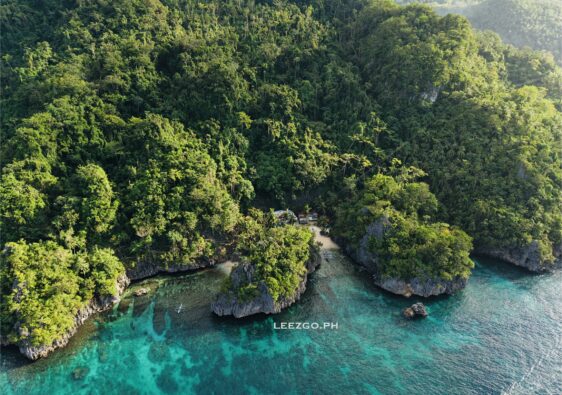
Masbate is a province made up of three major islands: Masbate, Ticao, and Burias, plus numerous smaller islands and islets. Although the province is famous for its cattle heritage and Rodeo Masbateño, its coastline tells another story — one of clear water, white sand shores, marine life, and dramatic geological formations. The Department of Tourism describes San Pascual in Burias Island as an off-the-beaten-path gateway to unspoiled islands and islets, including Animasola, Tinalisayan, and Sombrero.
On my return to Masbate, I chose Burias Island as my next destination. Instead of taking the more commonly discussed route through Pasacao, Camarines Sur, our group traveled from Masbate City by boat. The journey took several hours, but the calm sea and early morning light made the long ride feel like part of the adventure. By the time the sun rose, excitement had replaced sleepiness, and Burias was already beginning to reveal why it deserves more attention.
What followed was an unforgettable island-hopping experience: Animasola’s extraordinary rock formations, Tinalisayan’s inviting sand and clear water, Templo’s striking coastline, Sombrero’s sunset and camping atmosphere, and Dapa’s moon-like rock landscape. More importantly, the trip offered a glimpse of a destination where tourism is still closely connected to local communities and nature.
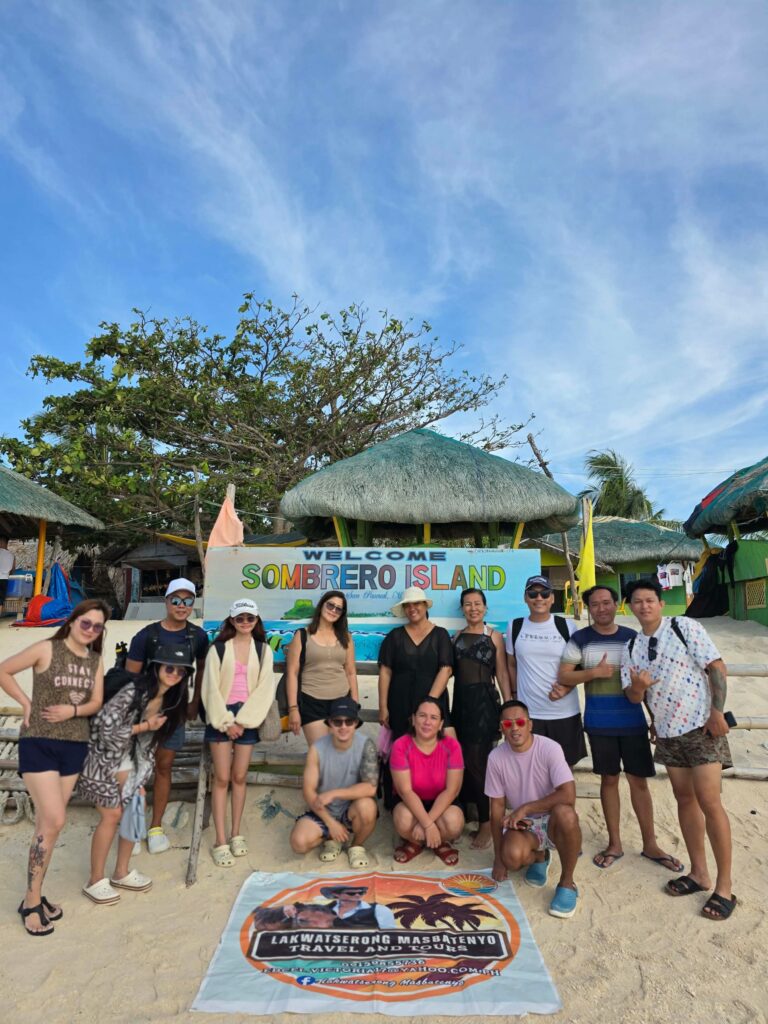
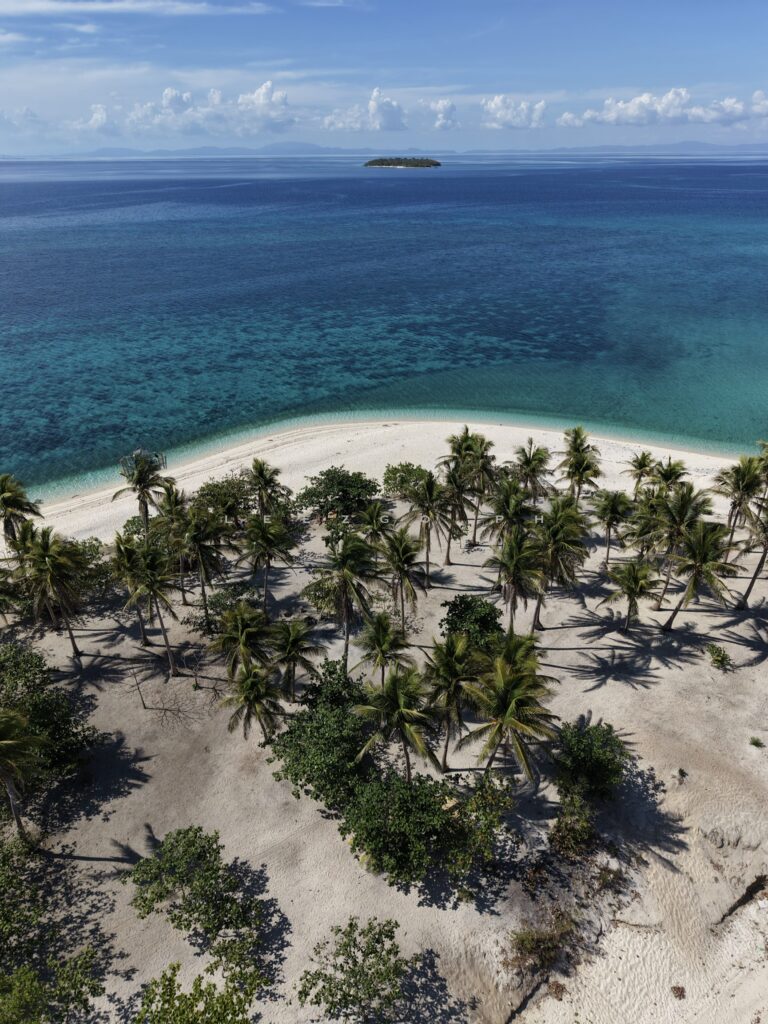
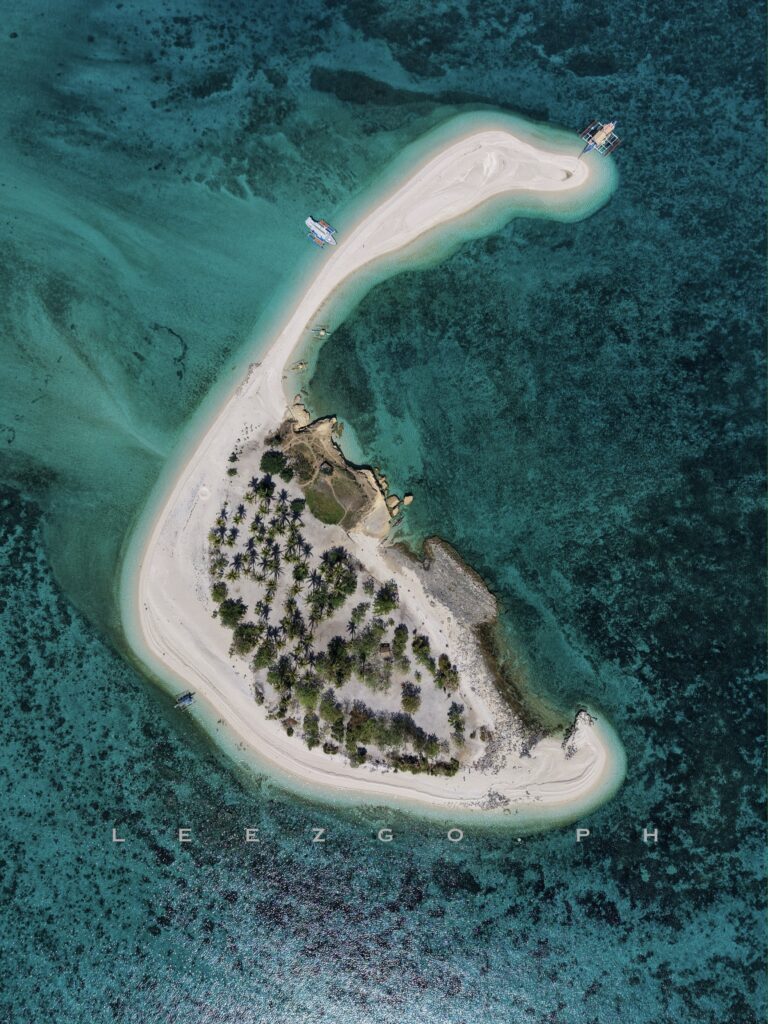
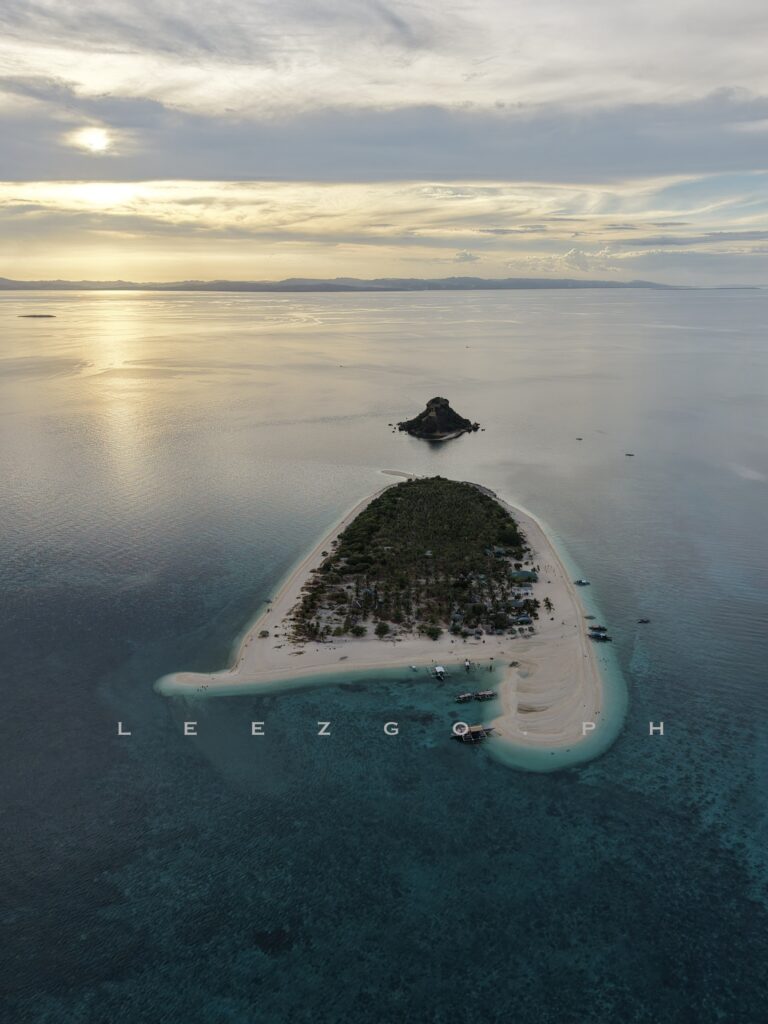


TABLE OF CONTENTS
I – WHAT YOU NEED TO KNOW
- Geography and Terrain: Burias is one of Masbate province’s three major islands and is divided administratively between the municipalities of San Pascual and Claveria. Government geographic information places Burias at roughly 42,120 hectares of land area, while independent geographic datasets estimate the island at about 435 square kilometers; differences are expected because sources use different measurement methods. The island is bordered by important bodies of water including Burias Pass, Ragay Gulf, and the Sibuyan Sea.1
- History & Heritage: Burias forms part of the historical and cultural landscape of Masbate, a province situated between Luzon and the Visayas. Masbate’s history includes early Spanish-era encounters, periods of maritime insecurity, agricultural and livestock development, fishing, and mineral activity. The wider province also developed strong links with migrants from neighboring Visayan communities, helping shape the distinctive cultural character heard and experienced today.
- Religion & Culture: Masbate belongs administratively to the Bicol Region, yet its cultural identity also reflects strong Visayan influences. Masbateño, a Visayan language with Bicol influences, is widely spoken in the province, alongside other Philippine languages. In coastal communities such as San Pascual, faith, family, community relationships, and local celebrations remain important parts of daily life.
- Economy & Craftsmanship: Agriculture and fisheries2 are central to the economy of San Pascual. A DILG municipal profile identifies agriculture as the municipality’s leading economic activity and fishery as the second, while also recognizing its coastal-marine ecosystems and natural tourism3 potential. Across Masbate more broadly, agriculture, cattle raising, coconut, corn, and fishing remain important economic pillars.
Sources: DILG San Pascual profile; Department of Agriculture–SAAD Masbate; University of the Philippines Digital Repository.
II – POINT OF INTEREST
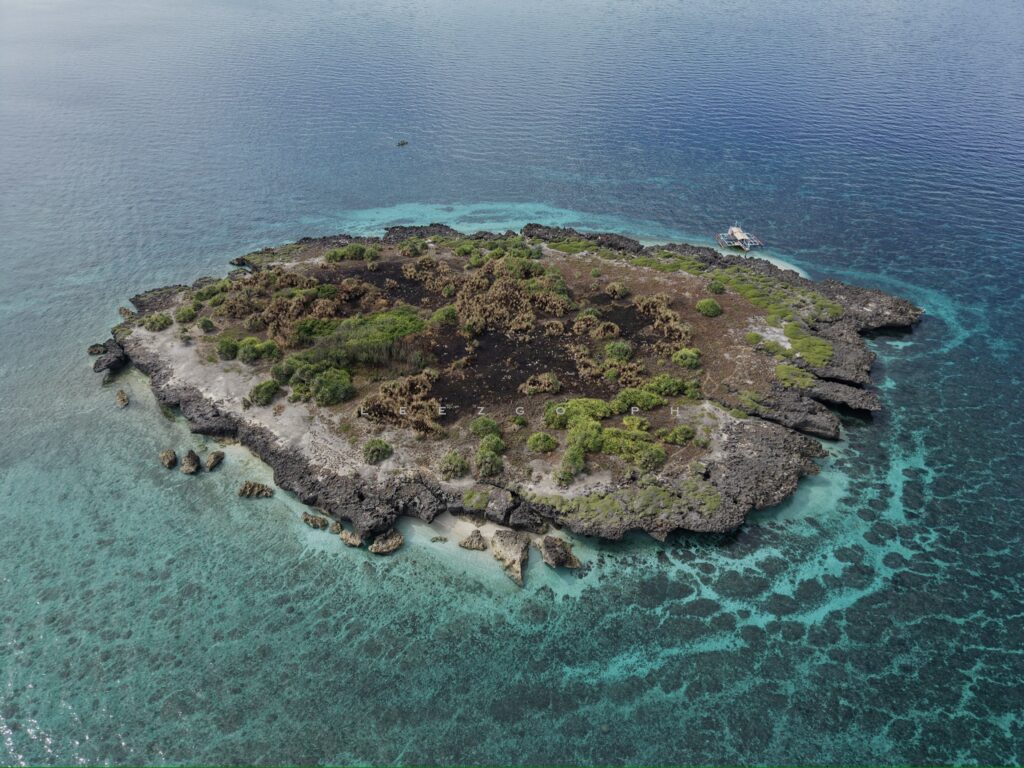
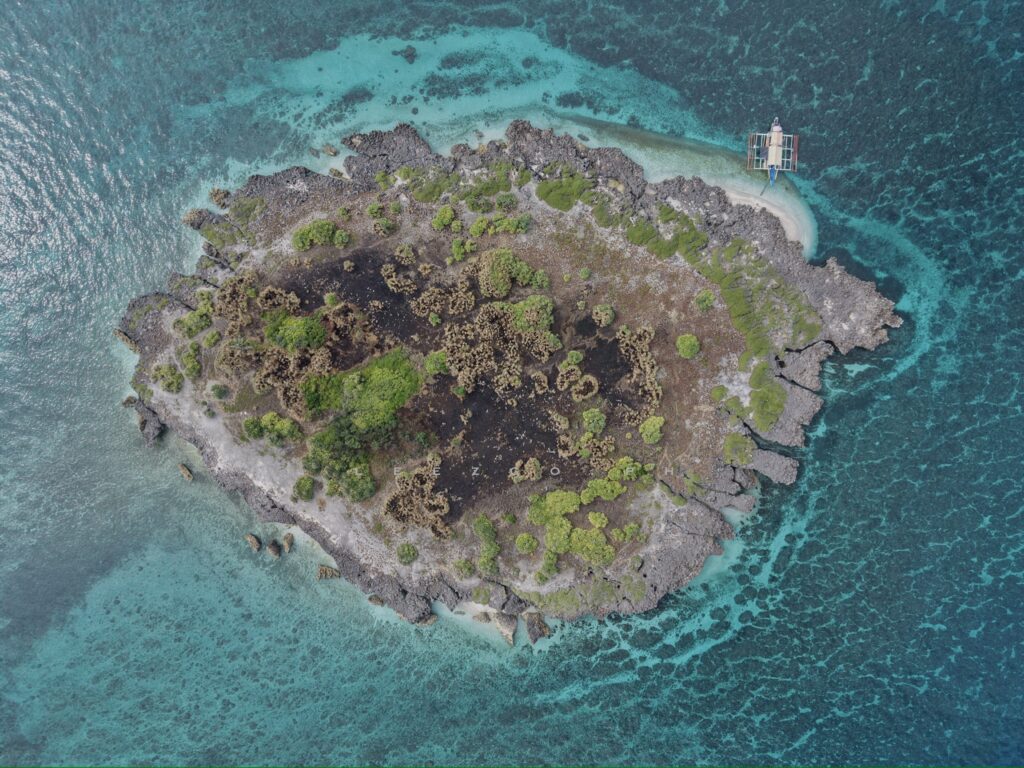
Animasola Island
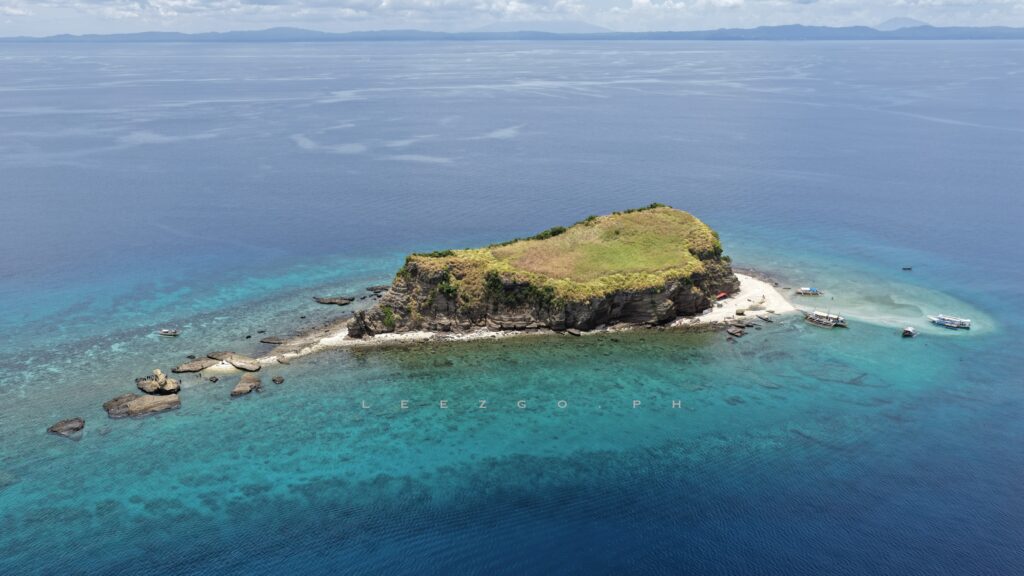
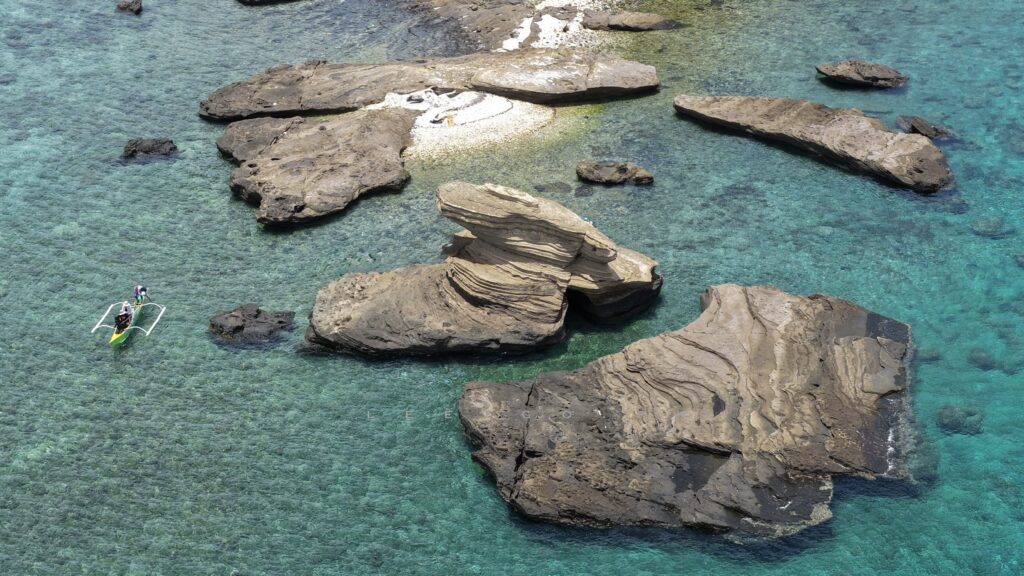
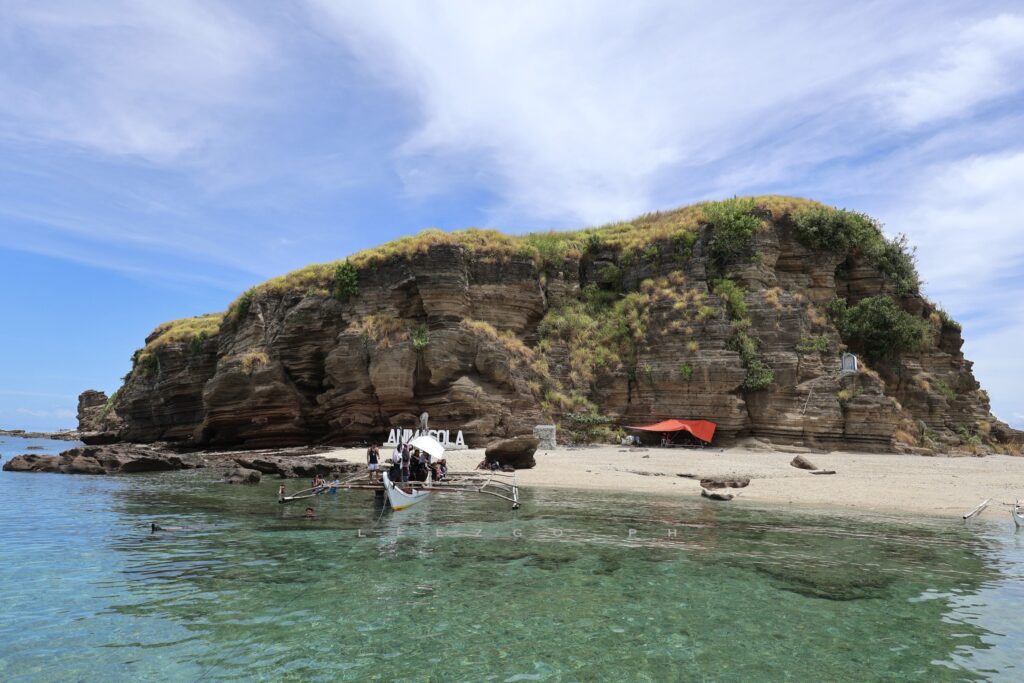
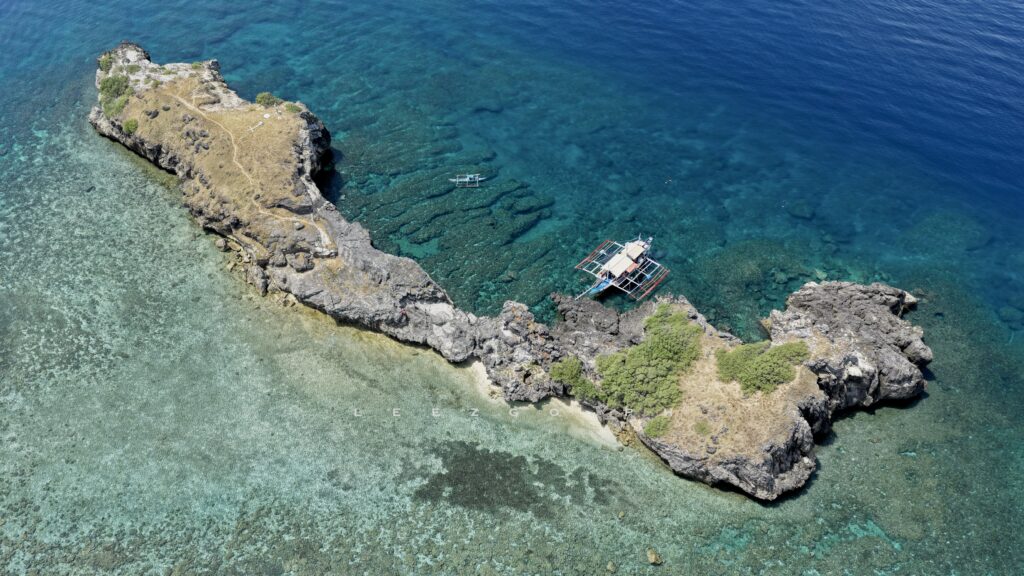
The dramatic centerpiece of the trip. Its layered, weathered rock formations create a landscape that can feel almost otherworldly. The surrounding clear water also makes it attractive for swimming and photography. The Department of Tourism and Naga City Tourism both highlight Animasola as one of San Pascual’s signature island-hopping stops.
Tinalisayan Island
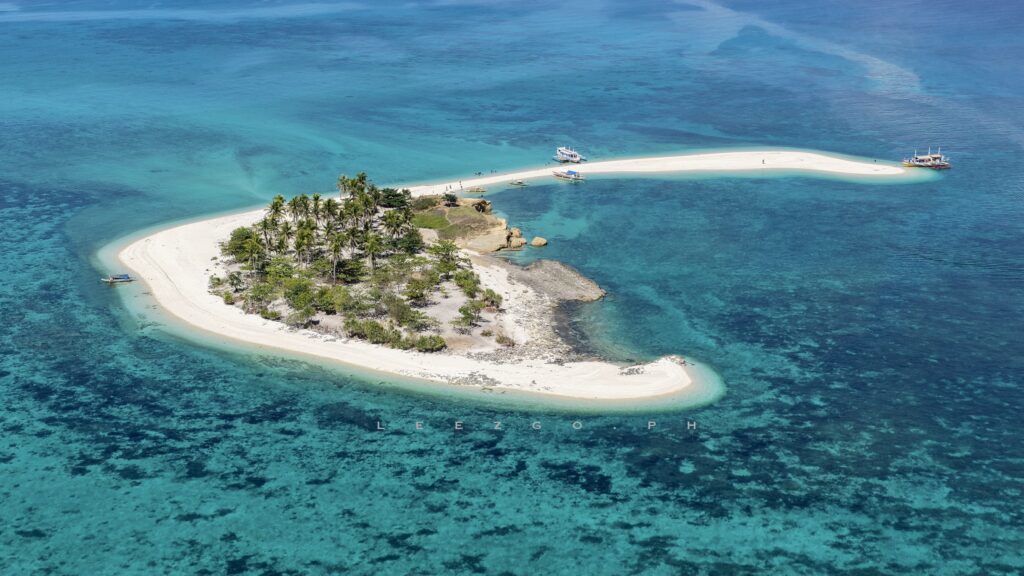
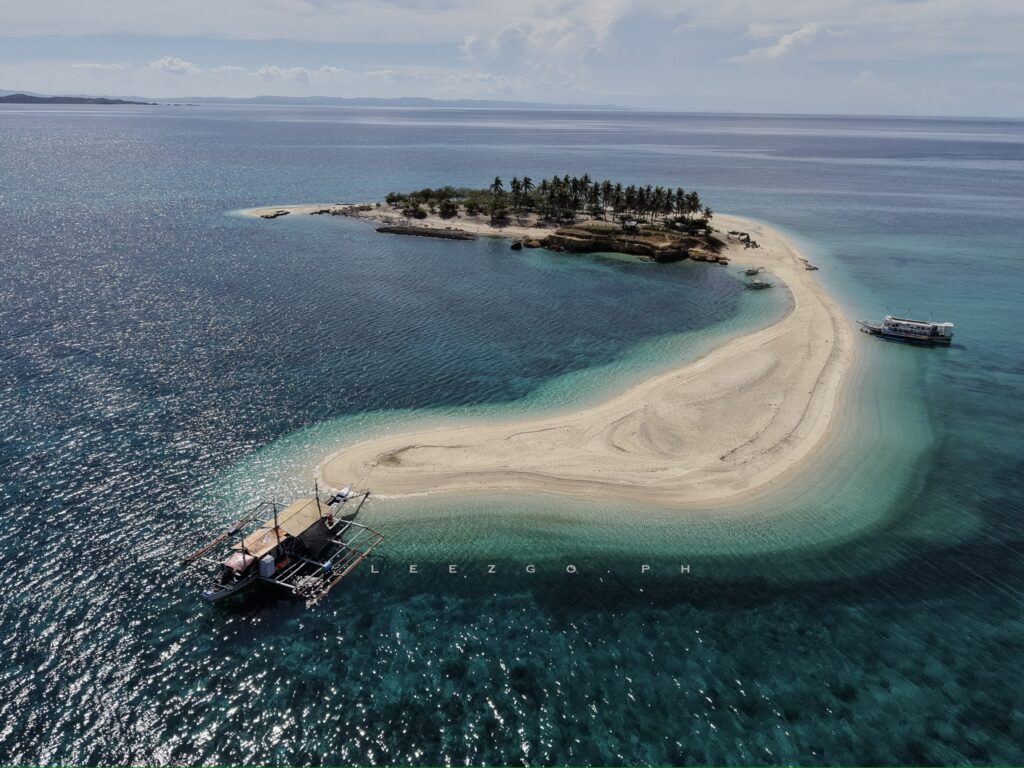
Known for its white sand, clear water, sandbar, and snorkeling opportunities. During our visit, it was the kind of place that immediately invites you to swim, slow down, and enjoy the sea.
Templo Island
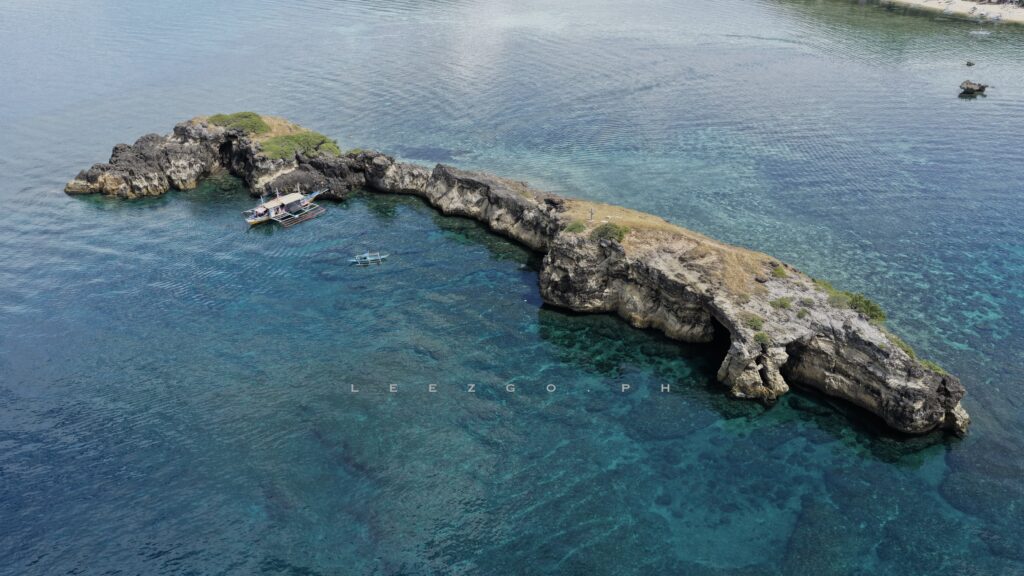
A visually distinctive island with a shoreline and rock profile that reminded us of a crocodile. It is a quieter stop where the natural scenery takes center stage.
Sombrero Island
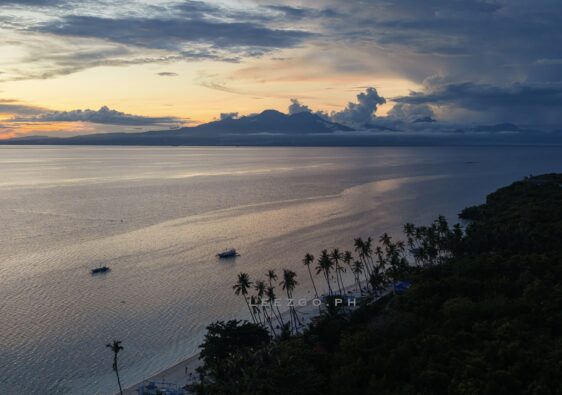
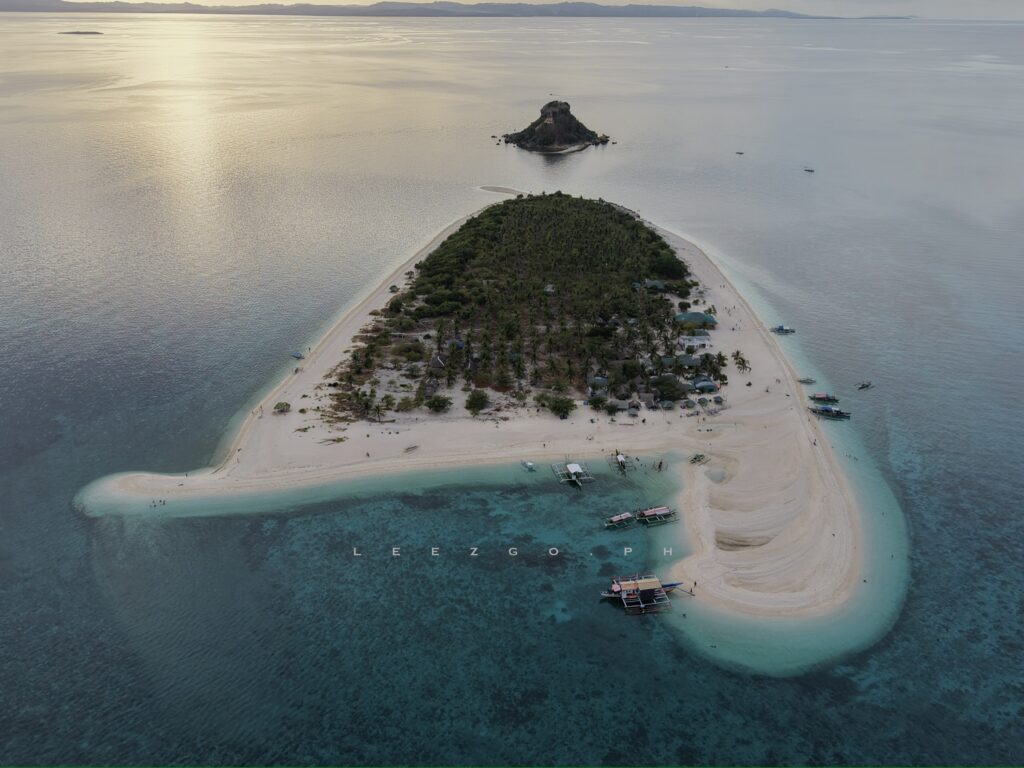
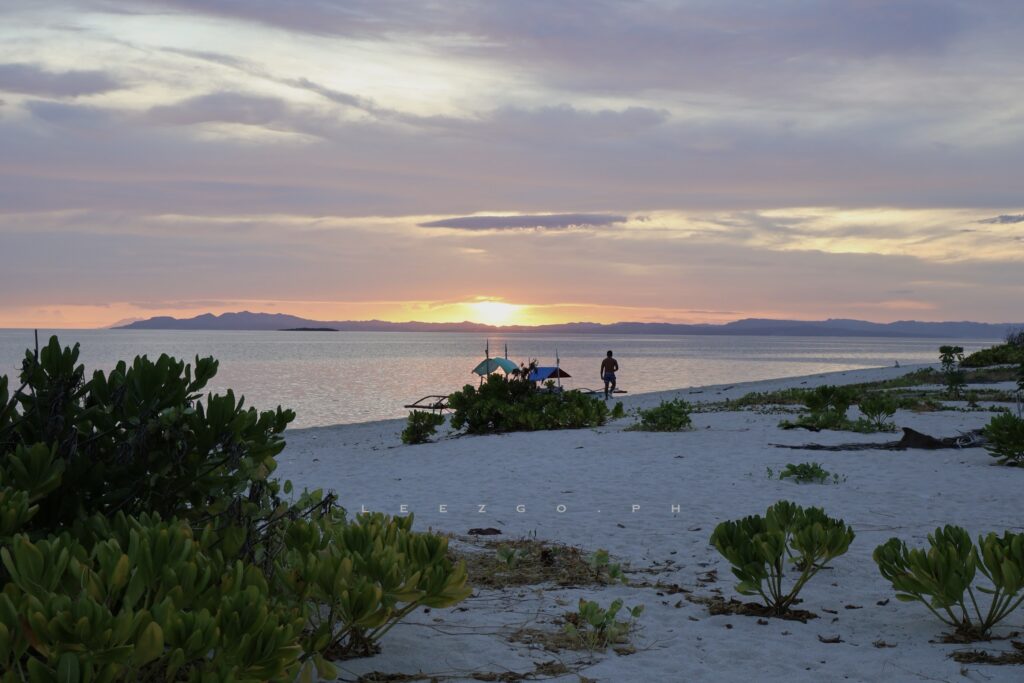
Named for its hat-like profile, Sombrero is a popular camping and sunset stop. The island’s beach, open sky, and evening atmosphere made it the perfect place to end the first day. Our visit also included the memorable sight of baby sea turtles in the area—an encouraging reminder of the marine life that depends on healthy coastal habitats.
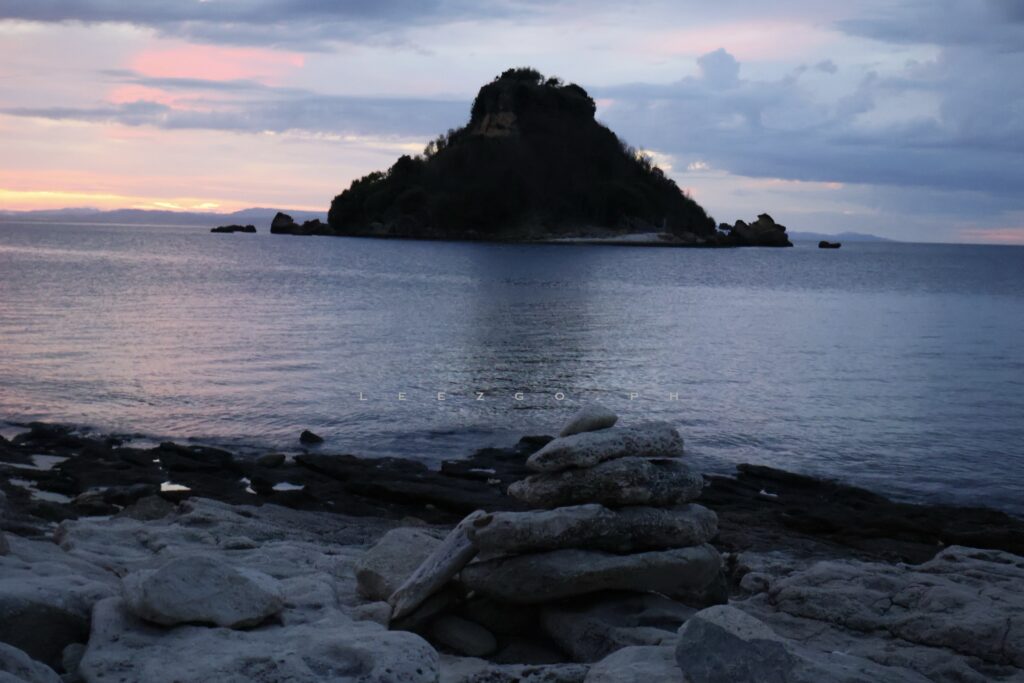
Dapa Island
Our Day 2 destination, reached after roughly an hour of boat travel. Its unusual rock formations gave the island a lunar, almost moon-like appearance, contrasting beautifully with the surrounding blue water.
Important: island access, docking points, fees, and the order of stops can change according to weather, tides, sea conditions, local instructions, and the boat operator. Treat the itinerary below as a practical template rather than a guaranteed schedule.
III – HOW TO GET THERE
A. Via RORO from Pasacao, Camarines Sur
For many travelers, Pasacao is the most practical mainland gateway to Burias. Current 2026 route information lists RORO service between Pasacao, Camarines Sur and Mobo, Masbate at about four hours, with passenger fares reported at approximately ₱720–₱960 depending on accommodation. From Pasacao, however, travelers should distinguish the Mobo route from passenger/boat arrangements that continue toward San Pascual or the island-hopping area. Local sea schedules can be seasonal and weather-dependent, so confirm the exact vessel and destination before leaving Manila.
From Manila, Bicol-bound buses depart from major terminals such as PITX and EDSA Cubao. Bicol Isarog currently lists Manila/PITX-to-Bicol services and fares that vary by destination and bus class. For a Pasacao itinerary, the usual planning sequence is Manila → Naga or another appropriate Bicol transfer point → Pasacao → port → Burias/San Pascual. Because direct Pasacao schedules and local transfers can change, allow generous buffer time rather than building your trip around a tight connection.
| Segment | Typical option | Travel time | Indicative 2026 fare | Planning note |
| Manila → Naga/Bicol | Bicol Isarog / DLTB / other Bicol-bound bus | About 8–10+ hrs to Naga; longer depending on traffic | About ₱1,000–₱1,600+ depending on operator/class | Book ahead for overnight travel; verify exact terminal and fare. |
| Naga/Bicol → Pasacao | Van/jeepney/private transfer | Roughly 1–2 hrs depending on origin and traffic | Budget separately; local rates vary | Confirm the exact Pasacao port and departure time. |
| Pasacao → Masbate/Burias gateway | RORO / passenger vessel depending on route | About 4 hrs on the Pasacao–Mobo RORO route | About ₱720–₱960 reported for passenger fare | Do not assume every sailing goes directly to San Pascual. |
| Local boat → island-hopping stops | Chartered motor banca | Varies by route and sea conditions | Boat-based; divide cost among your group | Arrange through local tourism/registered operators. |
Transport sources: Bicol Isarog4 fare page; DLTB5 fare information; 2026 Pasacao–Mobo6 RORO information. Fares and schedules are indicative and must be reconfirmed before travel.
B. Direct Flight from Clark Airport to Masbate City + Boat Transfer
A faster alternative is now available for travelers who prefer to start from Clark. Current 2026 schedule data shows Cebgo operating direct CRK–MBT flights, with a scheduled flight time of about 1 hour 35 minutes. The route is particularly useful if you are coming from Central or Northern Luzon and want to avoid a long land journey through Bicol.
Recent fare-search data has shown one-way CRK–MBT fares in the broad range of roughly ₱6,000–₱8,000 when converted from published search results, although actual fares can be substantially higher or lower depending on date, baggage, booking time, and promotions. Because airfare is dynamic, treat this as a planning range—not a fixed fare.
After landing at Moises R. Espinosa Airport in Masbate City, continue to the appropriate local port or meet your pre-arranged boat operator. The exact boat transfer from Masbate City to Burias/San Pascual is less standardized than the airline route, and local sea travel is affected by weather, vessel availability, and group size. Therefore, arrange the boat before the flight whenever possible and confirm the meeting point, departure time, passenger capacity, inclusions, and return plan.
| Segment | Current reference | Time | Indicative cost |
| Clark (CRK) → Masbate (MBT) | Cebgo direct | About 1 hr 35 min | Recent search range roughly ₱6,000–₱8,000 one-way; verify at booking |
| Masbate Airport → Masbate City/port | Local road transfer | Allow roughly 30–60 min buffer | Local transport rate varies |
| Masbate City → Burias/San Pascual | Pre-arranged motor banca / local boat | Several hours; weather dependent | Quote-based; depends on boat, group size and itinerary |
Flight sources: Clark International Airport flight information7; current Cebgo8/flight-schedule records; recent fare-search data. Always verify the airline schedule and fare directly before booking.
IV – SAMPLE ITINERARY
The following schedule combines the actual sequence described from the trip with practical planning notes. Times are based on the supplied travel experience, so they should be treated as a sample rather than a fixed tour timetable. Costs are shown only where reliable current or reference pricing is available; the actual trip package price should be confirmed with the local operator.
Note: this Itinerary was based on actual joiner tour experience operated by Lakwatserong Masbatenyo. Joiner Tour cost ₱4,999. You can contact him directly in his facebook page or his mobile number +63 915 985 5736.
| Day | Time | Activity | Location | Estimated duration | Notes |
| 1 | 2:30 AM | Call time / meet-up | Masbate City Diversion Terminal | 30 min | Arrive early with packed essentials. |
| 1 | 3:00–9:30 AM | Boat departure + Breakfast + sea travel | Masbate City → Burias | 6h 30m | Bring a light jacket, dry bag and motion-sickness medicine if needed. |
| 1 | 9:30–11:00 AM | Swimming + photos | Animasola Island | 1.5 hrs | Allow extra time for safe docking and tide conditions. |
| 1 | 11:00 AM–12:00 NN | Boat transfer | Animasola →Tinalisayan | 1 hr | Do not rely on exact travel time; sea state matters. |
| 1 | 12:00–1:30 PM | Lunch, swimming, photos | Tinalisayan Island | 1.5 hrs | Keep the sandbar clean and avoid disturbing marine life. |
| 1 | 1:30–2:00 PM | Boat transfer | Tinalisayan →Templo | 30 min | Confirm with operator. |
| 1 | 2:00–3:00 PM | Swimming + photos | Templo Island | 1 hr | Stay within safe swimming areas. |
| 1 | 3:00–4:00 PM | Boat transfer | Templo →Sombrero | 1 hr | Aim to arrive before sunset. |
| 1 | 4:00 PM onward | Beach time + tent pitching | Sombrero Island | Evening | Electricity is limited; solar/recharge options may be available. |
| 1 | 7:00 PM | Dinner | Sombrero Island | 1 hr | Pre-arrange meals when possible. |
| 1 | 8:00 PM | Socials / stargazing / downtime | Sombrero Island | Evening | Keep noise low and respect other campers. |
| 2 | 5:00 AM | Wake-up + coffee | Sombrero Island | 30 min | Early morning is ideal for photos. |
| 2 | 5:30–7:00 AM | Break camp | Sombrero Island | 1.5 hrs | Leave no trace; pack all trash. |
| 2 | 7:00 AM | Breakfast | Sombrero Island | 1 hr | Refill water before departure. |
| 2 | 8:00–9:00 AM | Boat transfer | Sombrero →Dapa | 1 hr | Sea conditions may alter timing. |
| 2 | 9:00–10:00 AM | Swimming + photos | Dapa Island | 1 hr | Take care on rock formations; surfaces can be slippery. |
| 2 | 10:00 AM onward | Return boat trip | Dapa →Masbate City | 6-8 hrs | Build in weather and docking buffer before onward travel. |
V – WHAT TO BRING
- Valid government ID and copies of important travel details
- Cash in small denominations. No Card and ATM access on the islands
- Dry bag or waterproof phone pouch for your phone, camera
- Power bank, rechargeable fan, rechargeable lamp or headlamp. Electricity can be limited, and some charging arrangements may rely on solar or generator power
- Refillable water bottle and personal drinking water reserve
- Sun protection: reef-conscious sunscreen please, hat, sunglasses and light long-sleeve clothing
- Swimwear, quick-dry clothes, towel and waterproof footwear
- Snorkeling gear if not provided by your operator
- Personal medicines, basic first-aid supplies and motion-sickness medicine if you normally use it
- Tent, sleeping mat and light blanket if camping equipment is not included in your package
- Garbage bags or reusable containers so you can carry your waste back out
- Offline maps, emergency contacts and a screenshot of your itinerary because mobile signal can be inconsistent
VI – FINAL THOUGHTS
Burias Island reminded me that some of the most rewarding Philippine destinations are not necessarily the easiest to reach. The long boat ride, the early call time, the limited electricity and the simple camping conditions were not inconveniences to complain about—they were part of what made the experience memorable.
From the surreal rock walls of Animasola to the clear water of Tinalisayan, the peaceful coastline of Templo, the sunset at Sombrero, and the moon-like formations of Dapa, every stop offered a different reason to slow down and appreciate the landscape. Just as importantly, seeing marine life around the islands reinforced how valuable responsible tourism is to places like Burias.
Masbate remains one of the Philippine provinces that continues to surprise me. It has a special place in my heart because its beauty feels genuine, spacious and wonderfully underrated. I would gladly return, not only to revisit Burias Island, but also to discover more of Masbate’s islands, communities, food and stories.
If you are looking for an off-the-beaten-path Philippine island adventure, Burias Island is worth putting on your list. Plan carefully, travel with patience, support local communities, protect the sea, and leave the islands as beautiful as you found them.
VII – REFERENCES
- PhilAtlas – Burias Island — https://www.philatlas.com/physical/islands/burias.html ↩︎
- Department of Agriculture – SAAD Masbate — https://saad.da.gov.ph/phase-2/masbate/ ↩︎
- Department of Tourism – Masbate – https://www.tourism.gov.ph/destination/bicol-region/masbate/ ↩︎
- Bicol Isarog – Bus Fares – https://isarogbus.com/fares ↩︎
- DLTB Bus Fare Information – https://dltbterminal.com/fares ↩︎
- Kho Shipping / Pasacao–Mobo RORO reference – https://pamasahe.com/routes/pasacao-camarines-mobo-masbate-kho-shipping-schedule-fares ↩︎
- Flight.info – Cebgo DG6171 – https://clarkinternationalairport.com/flights/ ↩︎
- Cebu Pacific (Clark International Airport to Masbate) – https://www.cebupacificair.com ↩︎