Lee Fabia
Located south of Batangas, Mindoro is one of the Philippines’ most captivating islands, offering a remarkable combination of mountains, beaches, rich cultural heritage, historical landmarks, and warm provincial hospitality. The island is divided into two provinces. Occidental Mindoro on the western side and Oriental Mindoro on the eastern side. Although they share the same island, each province has its own distinct character, landscapes, communities, and travel experiences.
Occidental Mindoro1 welcomes visitors with wide-open landscapes, dramatic mountain scenery, peaceful coastal towns, and historic places that reflect the province’s important role in Philippine history. From the port of Abra de Ilog to the communities around San Jose, the journey itself becomes part of the adventure. The province is ideal for travelers who enjoy scenic road trips, lesser-known destinations, natural landscapes, and the opportunity to experience a quieter side of the Philippines.
Meanwhile, Oriental Mindoro2 offers a vibrant blend of coastal beauty, agricultural abundance, cultural traditions, and accessible tourist destinations. Its provincial capital, Calapan City, serves as an important gateway to the eastern side of the island. Farther south, destinations such as Bulalacao and Mansalay showcase the province’s breathtaking coastal scenery, including peaceful beaches, clear waters, and fascinating natural rock formations.
Together, Occidental and Oriental Mindoro create a diverse travel experience that can be described in many ways: beautiful, bountiful, adventurous, and undeniably connected to the sea. A journey across the two provinces is not simply a trip from one destination to another. Instead, it is a road trip through changing landscapes, local communities, historical stories, hidden beaches, and unforgettable moments along the way.
For travelers seeking an alternative to the usual tourist routes, Mindoro offers a refreshing opportunity to slow down and explore. The long roads, scenic routes, ferry crossings, unexpected discoveries, and genuine hospitality make the journey just as meaningful as the destinations themselves.
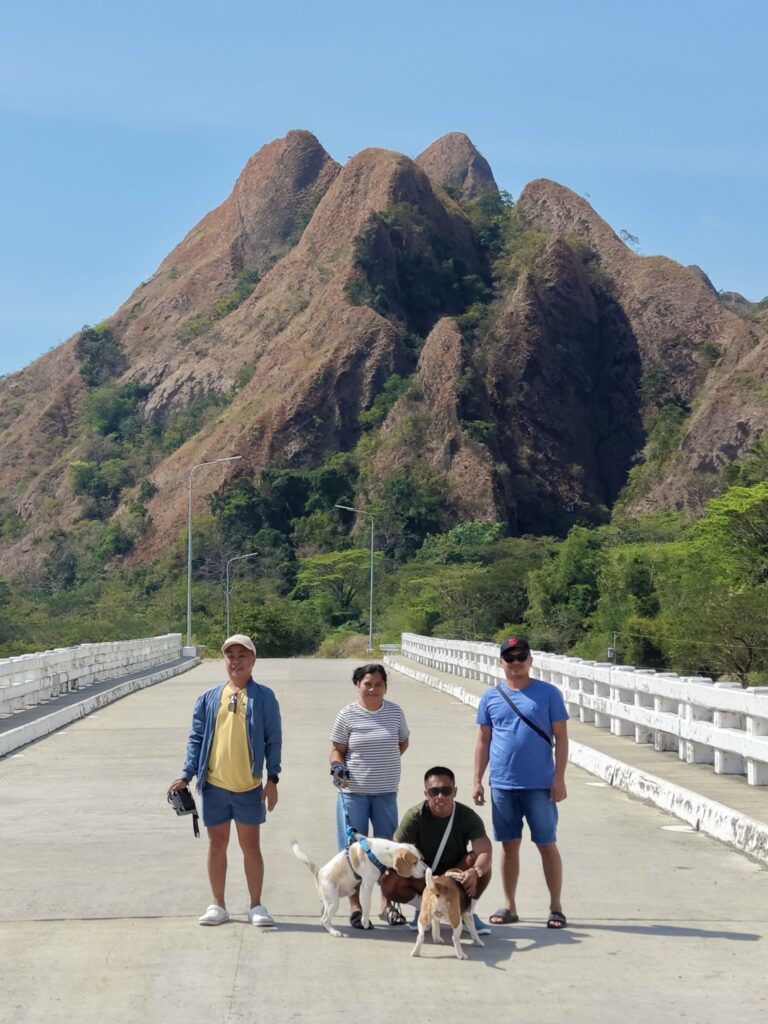
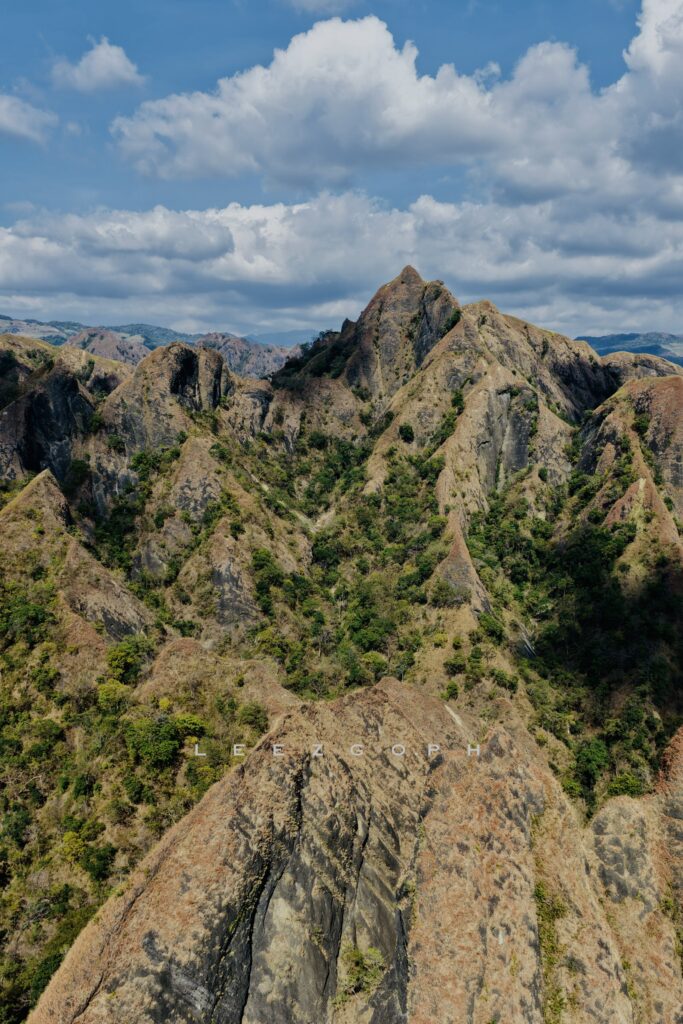

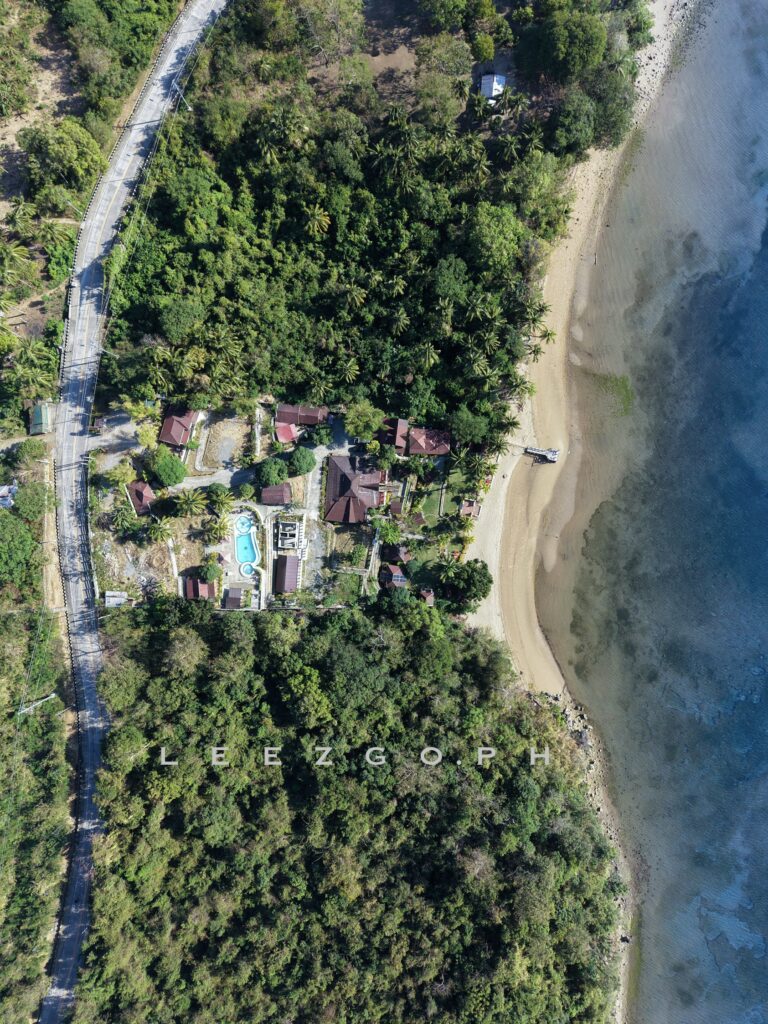
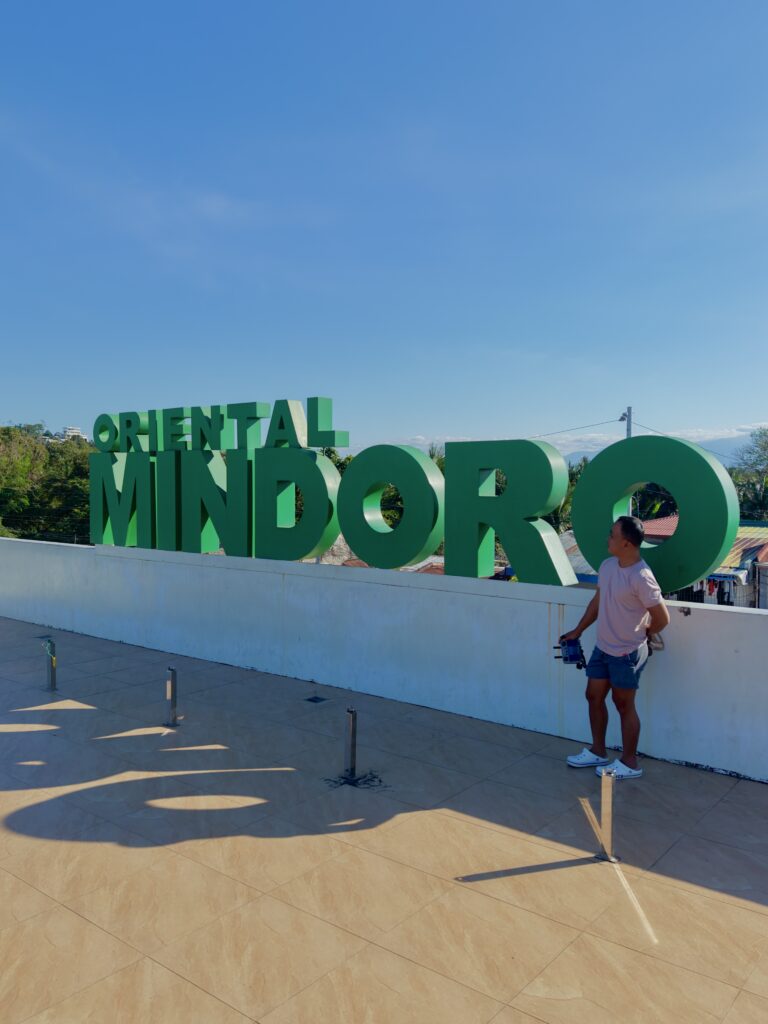
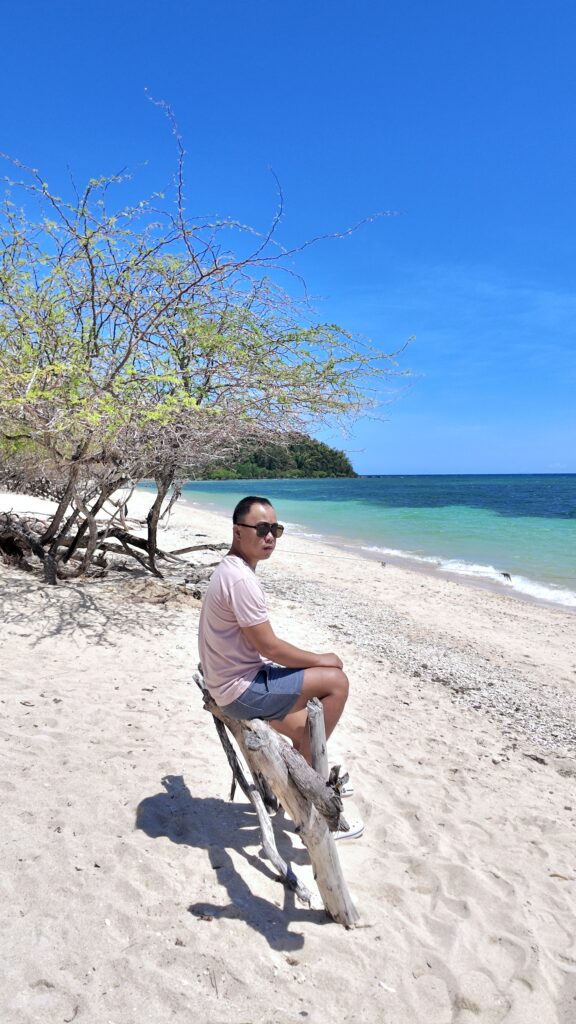
TABLE OF CONTENTS
I – WHAT YOU NEED TO KNOW
- Geography and Terrain – Mindoro is the seventh-largest island in the Philippines and is divided administratively into Occidental Mindoro and Oriental Mindoro. The two provinces are separated by the island’s central mountain ranges, which help explain why travel between the western and eastern sides can take considerable time. Oriental Mindoro faces the Verde Island Passage and includes Calapan City, while Occidental Mindoro stretches along the island’s western side and includes San Jose, Mamburao, Abra de Ilog, and other coastal communities.
- History & Heritage – Mindoro’s history reaches far beyond modern tourism. Long before Spanish colonization, the island was connected to regional trade networks, including historic exchanges with Chinese merchants. The island is also the ancestral homeland of the Mangyan3 peoples, whose communities preserve distinct languages, traditions, and artistic practices. The island also carries important wartime history. The Mindoro Landing Monument in San Jose commemorates the Allied return to Mindoro during World War II, a chapter that connected the island to the wider Pacific campaign.
- Religion & Culture – Like many Philippine provinces, Mindoro’s cultural life reflects a blend of indigenous traditions, Christian practices, local festivals, family networks, and community celebrations. However, the Mangyan heritage of the island remains especially important to understanding Mindoro’s identity. Visitors should approach indigenous communities and cultural products respectfully, support legitimate community-based initiatives, and avoid treating living traditions as mere souvenirs.
- Economy & Craftsmanship – Agriculture, fisheries, trade, transport, tourism, and small businesses all contribute to the economies of Mindoro’s communities. Oriental Mindoro is particularly known for its agricultural abundance, while coastal communities across both provinces depend heavily on marine resources and tourism-related activity. Craftsmanship is another important part of Mindoro’s cultural economy. Mangyan communities are known for traditional handmade products, including baskets, bags, and other items made from natural materials such as nito and rattan. When buying local crafts, travelers can make a more positive impact by choosing authentic, community-connected products and paying fair prices.
II – POINTS OF INTEREST
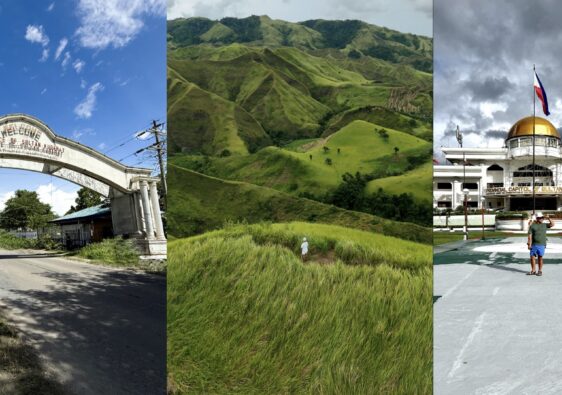
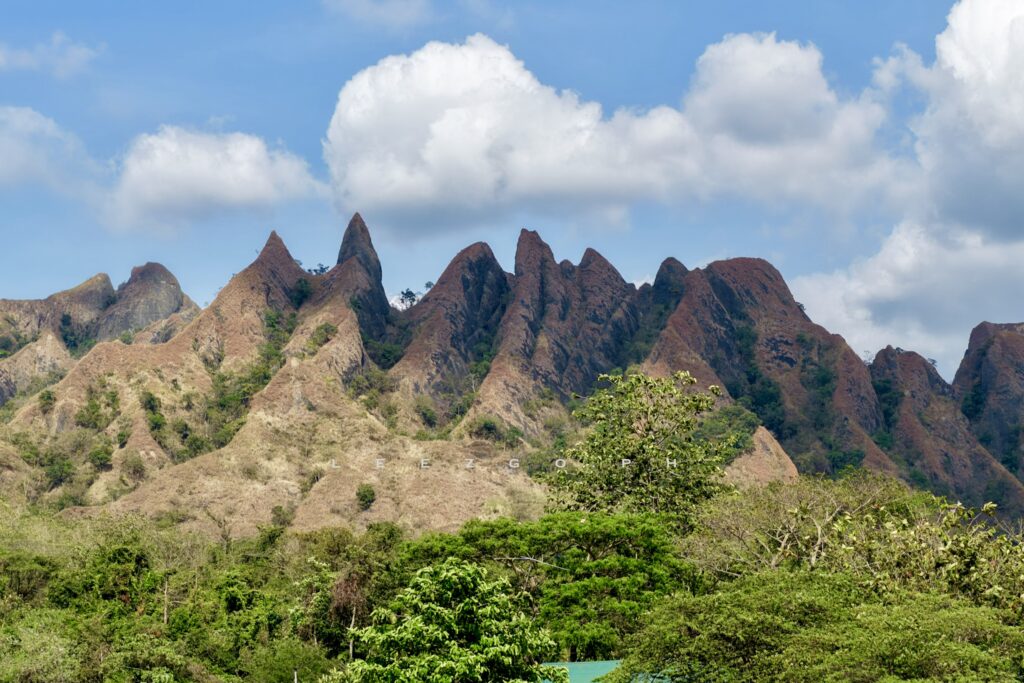
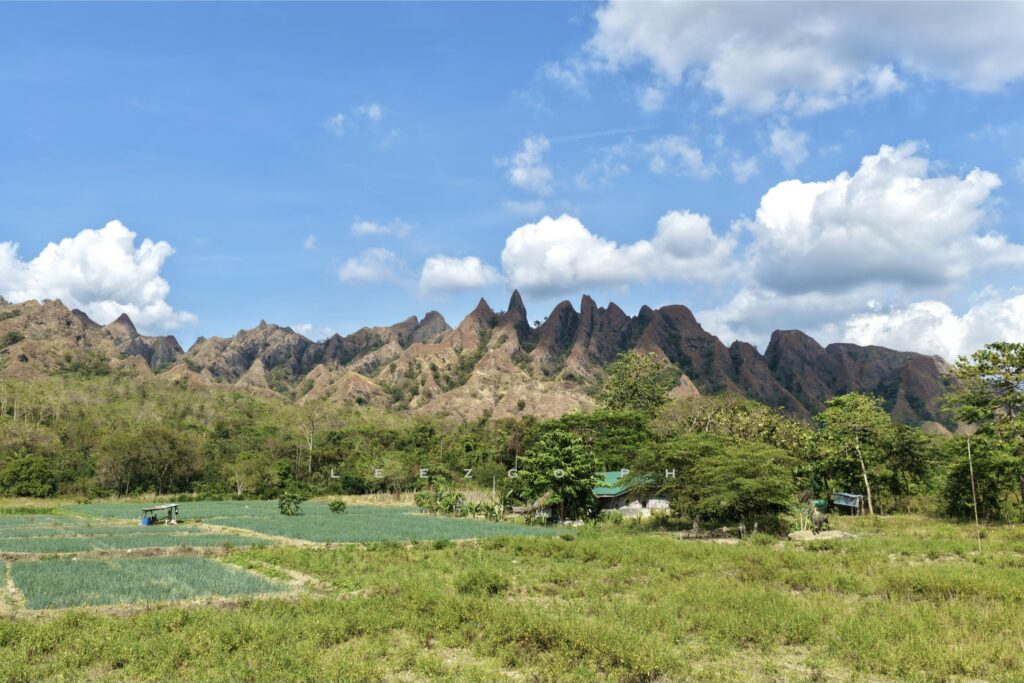
Devil’s Mountain, San Jose, Occidental Mindoro
A dramatic natural landmark with an unusual silhouette and a memorable roadside viewpoint. Visit for its distinctive landscape, local stories, and photo opportunities.
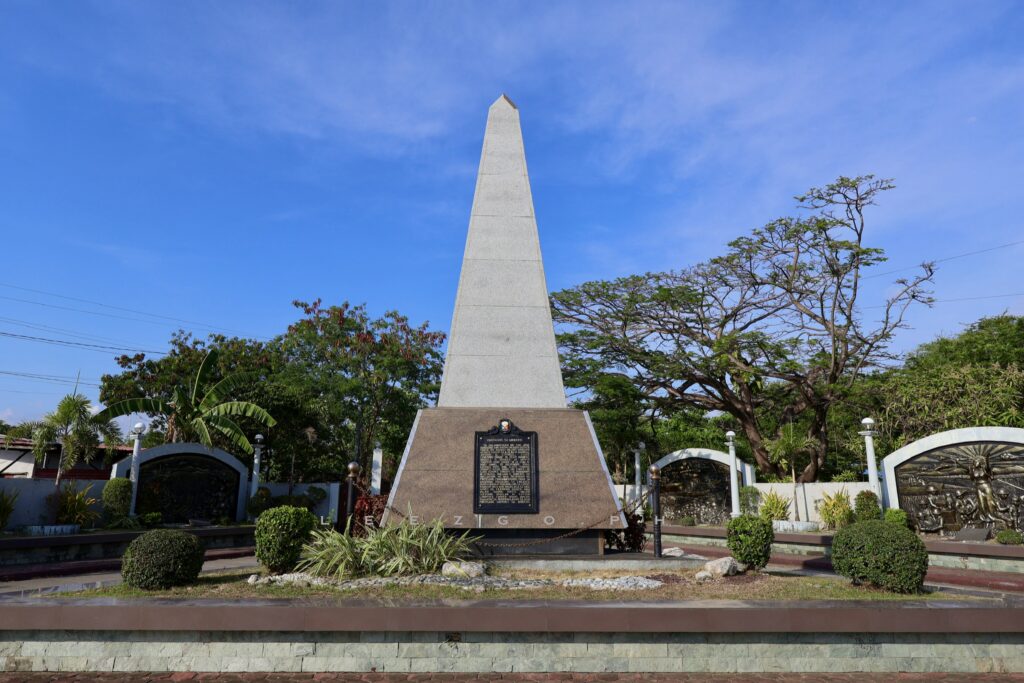
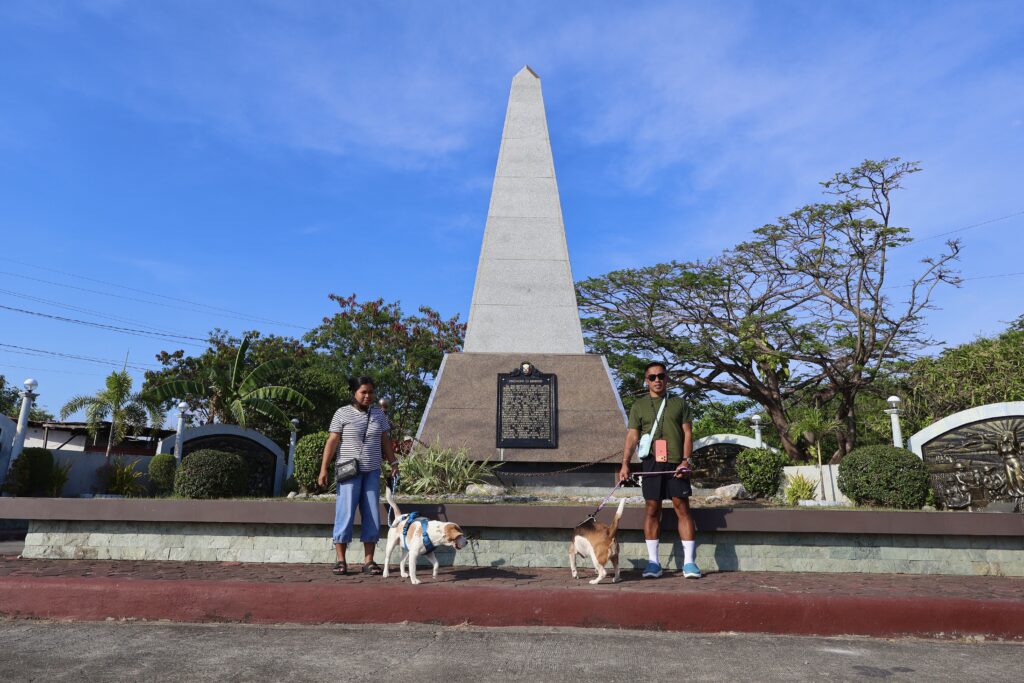
Mindoro Landing Monument, San Jose, Occidental Mindoro
A meaningful historical stop connected with the World War II return of General Douglas MacArthur to Philippine shores. Visit to add historical context to your Mindoro road trip.
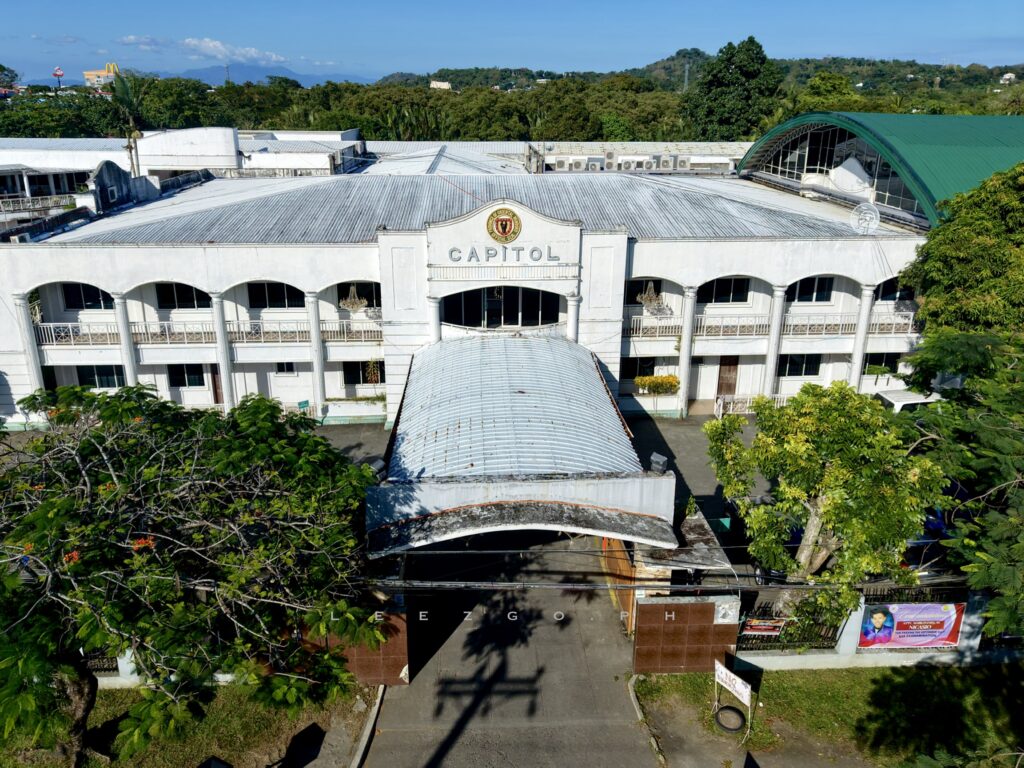
San Jose Municipal Hall and Town Center
A practical stop for experiencing the provincial capital’s everyday rhythm, local architecture, and community atmosphere.
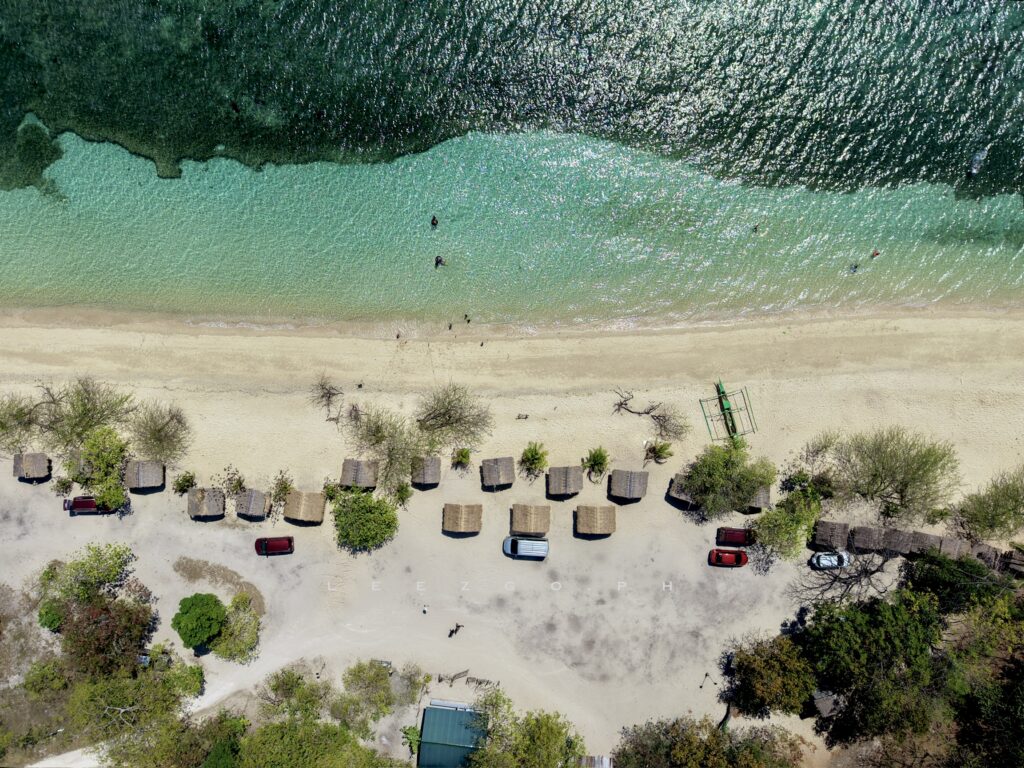
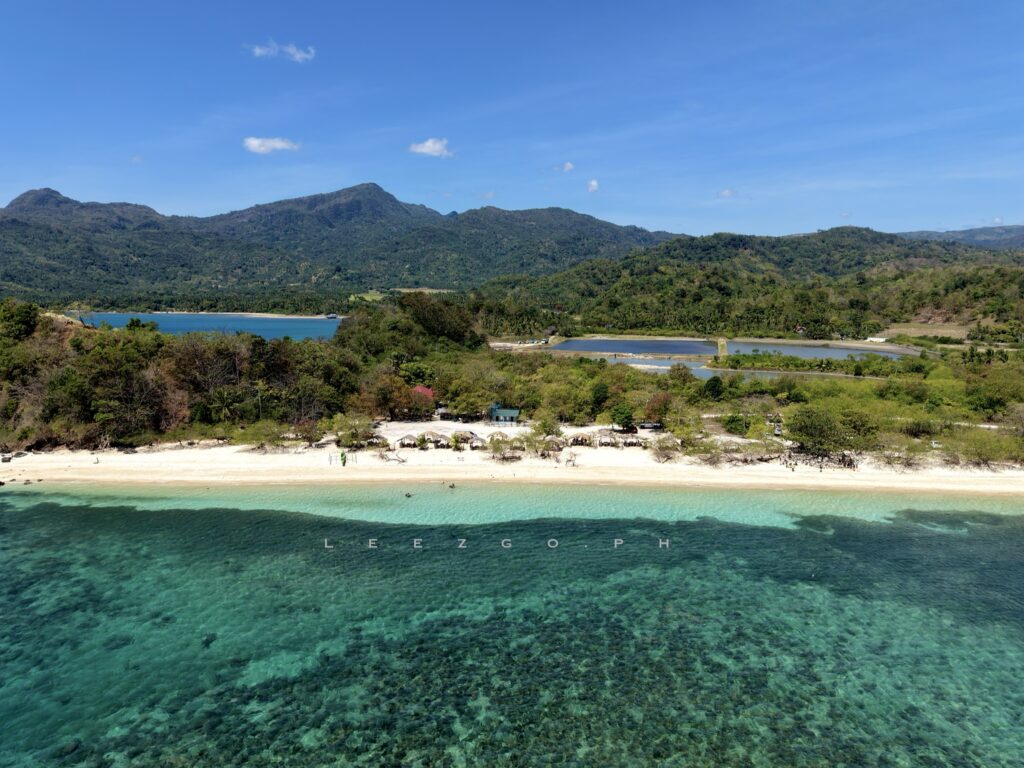
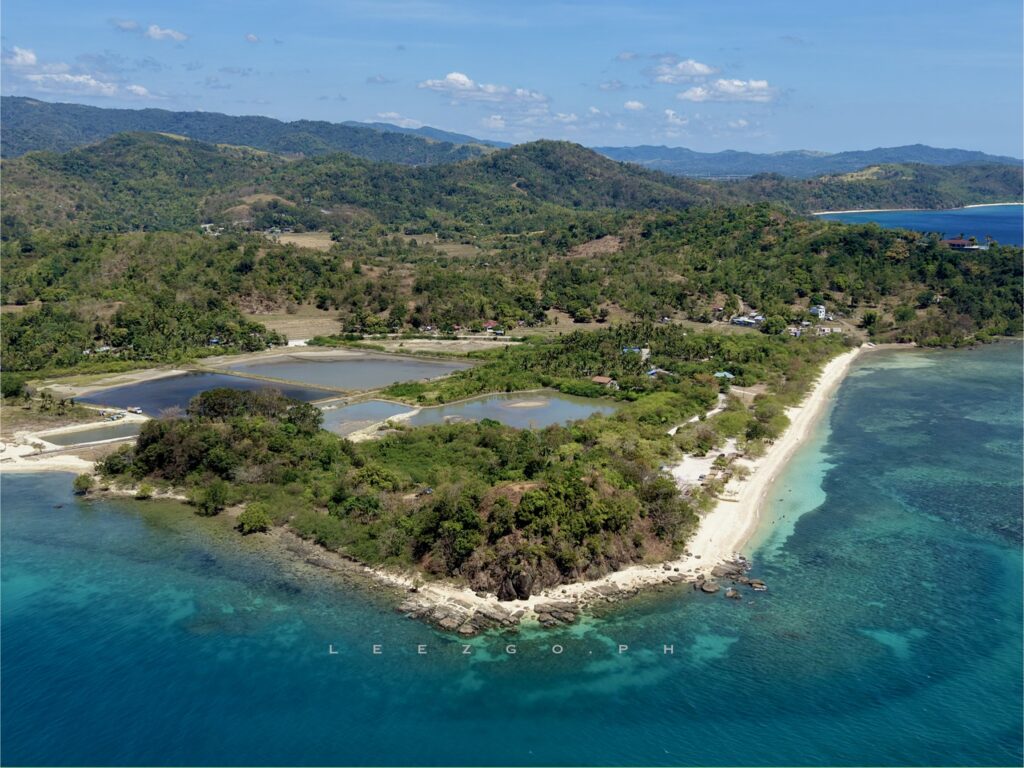
Buktot Beach, Mansalay, Oriental Mindoro
A peaceful coastal escape with light-colored sand, clear water, and striking natural rock formations. Visit if you want a simple, low-cost beach day away from crowded tourist centers.
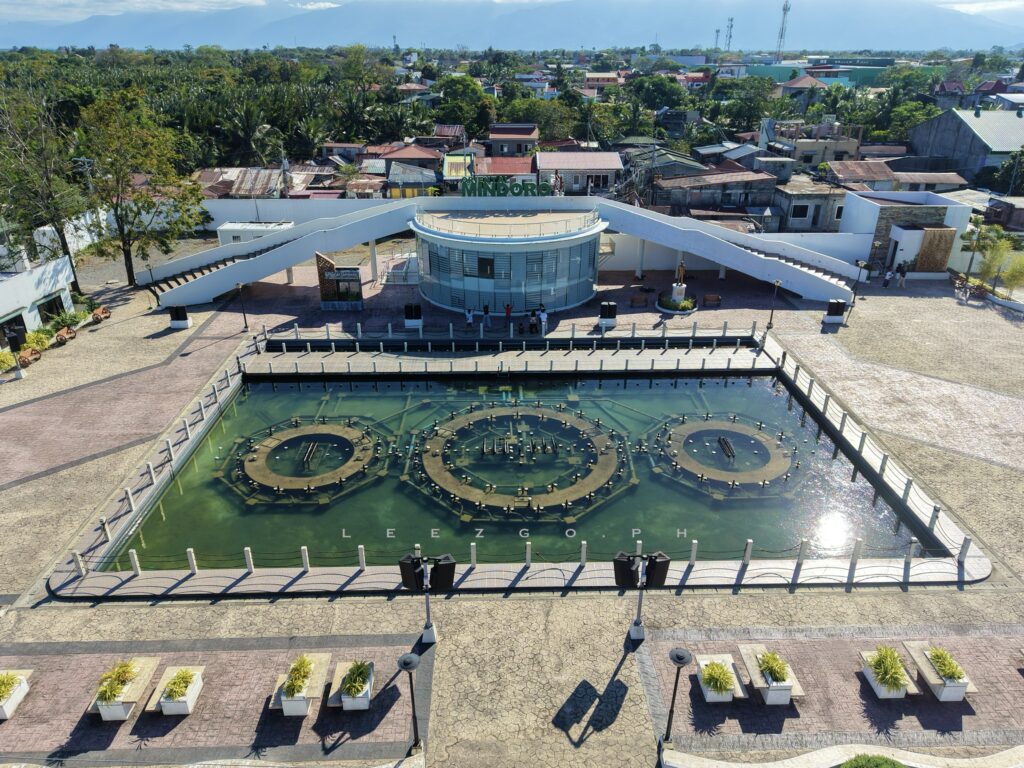
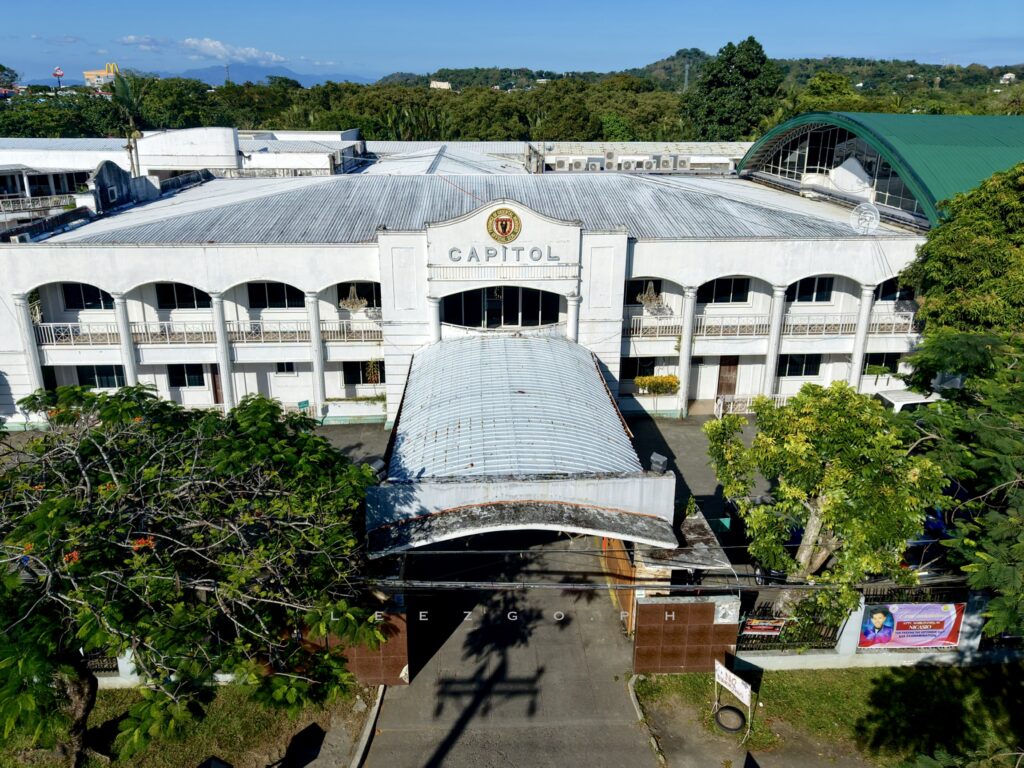
Calapan City, Oriental Mindoro
The provincial capital and an important gateway for commerce, transport, and travel in Oriental Mindoro. Visit to experience the province’s urban center after a long scenic drive.
III – HOW TO GET THERE
a. via Air Transport
- San Jose Airport (SJI) is the only commercial airport in Mindoro.
- Cebgo operates flights from Clark International Airport (CRK) straight to San Jose.
- Round‑trip fares usually range from ₱4,900 – ₱5,400, depending on season and availability.
- Travel time: about 1 hour.
b. via Land & Sea Transport
For this trip, we chose the sea route from Batangas because it allowed us to bring a vehicle and experience Mindoro as a road-trip destination. The most convenient route depends on your starting point and final destination, so always confirm the latest ferry schedules, terminal procedures, fares, and travel advisories before departure.
| Step | What to Expect |
| 1. Reach Batangas Port | Travel by private vehicle, bus, or other transport from your starting point in Luzon. |
| 2. Take a RoRo or ferry to Mindoro | Choose the route that best matches your destination and vehicle requirements. Schedules and fares may vary. RORO FARE: Vehicle Rate: ₱2,000-₱3.500 Per Person Rate: ₱450-₱550 (Note: Driver is free of charge) |
| 3. Enter through Occidental Mindoro | Our route began at Abra de Ilog, then continued toward San Jose. |
| 4. Drive across the island | Allow extra time for road conditions, fuel stops, meals, photography, and unexpected delays. |
| 5. Continue to Oriental Mindoro | Our route proceeded toward Bulalacao, Mansalay, and eventually Calapan City. |
Important: Ferry prices, terminal fees, fuel costs, accommodation rates, and entrance fees can change. The prices in the itinerary below are based on our actual trip notes and should be treated as a personal travel reference rather than a guaranteed current rate.
IV – SAMPLE ITINERARY
The following itinerary is designed for travelers who want a fast-paced road trip through both provinces. It is possible to follow a similar route in 1–2 days, although a longer stay is recommended if you want more time for swimming, sightseeing, and rest.
| Day | Time | Place/Route | Activity | Estimated Cost | Notes |
| Day 1 | Early morning | Batangas Port → ferry/RoRo to Abra de Ilog | Travel and vehicle boarding | Ferry fare and terminal charges vary | Start early; confirm sailing schedule |
| Day 1 | Late morning | Abra de Ilog → Devil’s Mountain | Scenic stop and photography | No Entrance Fee | Allow time for safe roadside parking |
| Day 1 | Afternoon | Mindoro Landing Monument → San Jose | Historical sightseeing and lunch | Variable | Respect site rules and local traffic |
| Day 1 | Late afternoon | San Jose → Bulalacao | Long scenic drive toward Oriental Mindoro | Fuel varies | Keep fuel topped up on long stretches |
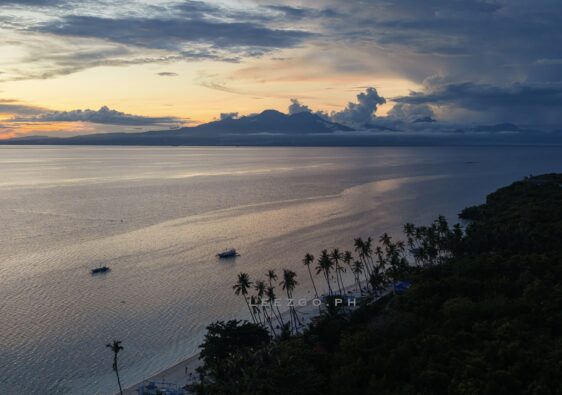
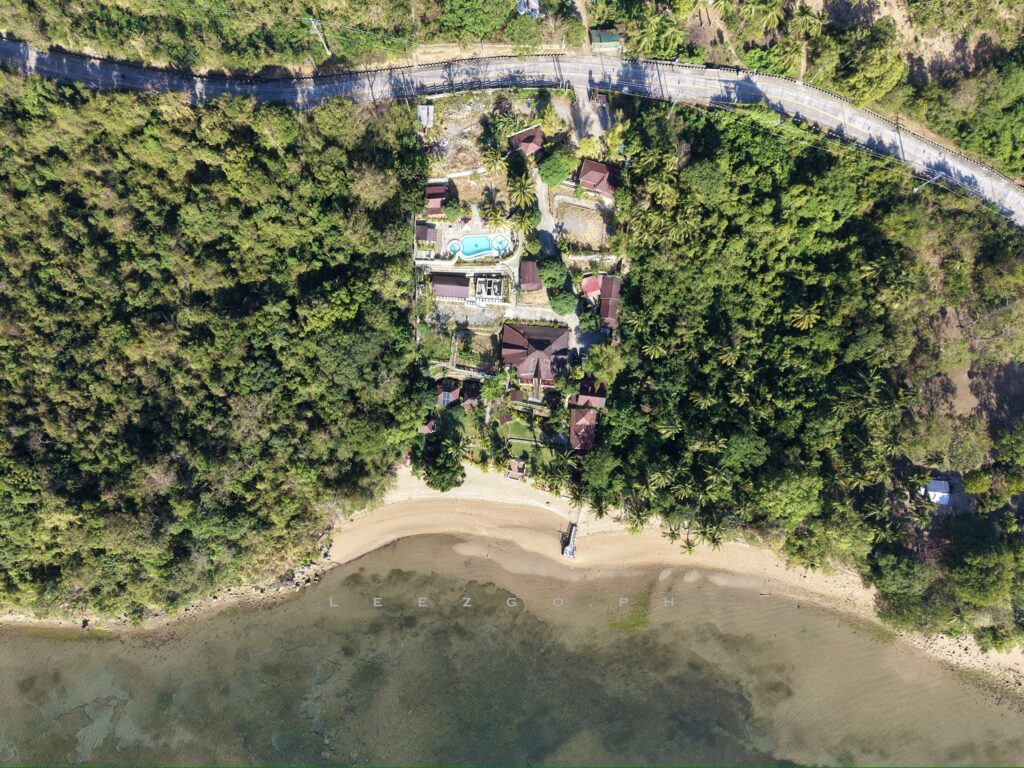
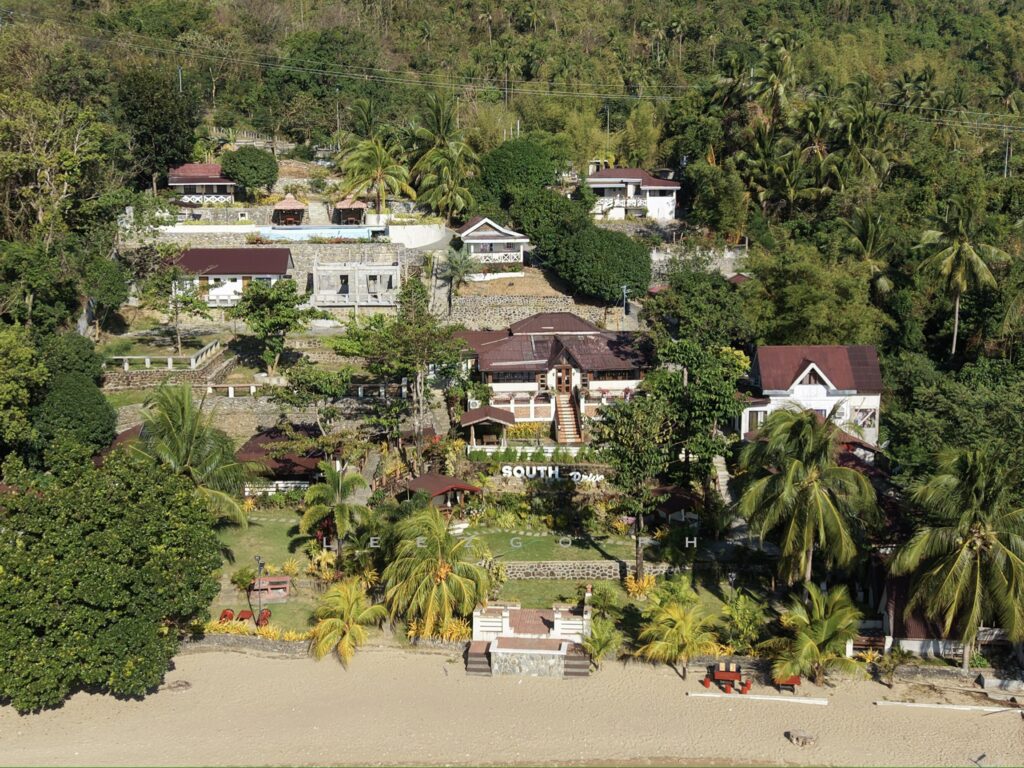
| Day 1 | Evening | Southdrive Beach Resort | Dinner and overnight stay | Food from about ₱120; room from about ₱2,000 based on trip notes | Ideal for a sunset or sunrise stop |
| Day 2 | Early morning | Bulalacao → Mansalay | Road trip and breakfast stop | Variable | Bring drinking water and snacks |
| Day 2 | Morning–noon | Buktot Beach | Swimming, relaxing, photos, rock formations | ₱10 entrance + ₱150 cottage based on trip notes | Bring food, sun protection, and trash bags |
| Day 2 | Afternoon | Mansalay → Calapan City | Long drive toward the provincial capital | Fuel varies | Expect a substantial travel time |
| Day 2 | Late afternoon/evening | Calapan City → beachfront overnight stay | Dinner and rest | Our accommodation notes: about ₱2,500–₱2,800 | Use this as a buffer before the return journey |
V – PET FRIENDLY HOTEL/RESORT
1. Southdrive Beach Resort, Bulalacao, Oriental Mindoro
- A convenient overnight stop for travelers crossing the southern part of the island. Visit for a relaxed beachfront stay, a meal, and the chance to catch a sunrise.
- Rate ₱2,800 good for up to 4 pax + 2 furs
2. Anahaw Island View Resort
- A beachfront accommodation option that works well as a comfortable final overnight stop. Visit or stay when you want to end a road trip with a slower, more relaxed coastal atmosphere.
- Rate: ₱2,500 good for up to 4 pax + 2 furs
VI – PET DOCUMENTARY REQUIREMENTS
Traveling with pets requires appropriate documentations, certifications and approvals from both your Vet Doctor and Bureau of Animal Quarantine.
- Step 1: Vet Visit
- Update vaccinations — Make sure all shots are current and recorded in your pet’s vaccination booklet.
- Physical check-up — Your vet must confirm your pet is healthy and fit to travel.
- Request travel certificate — This document is required by authorities.
- Valid only within 3 days of travel.
- Typical fee: around ₱500.
- Step 2: Bureau of Animal Quarantine (BAQ) Authorization
- Create BAQ account — Register online through their official portal.
- Fill in travel details — Include origin, destination, and travel dates.
- Upload documents — Submit your vet certificate and vaccination booklet photo.
- Wait for approval; processing usually takes 1–2 business days.
- NOTE: This is free.
- Creating BAU Account and Lodging Pet Travel Authority is free an can be done through in this LINK.
- Step 3: At the Port
- Arrive early — Allow time for inspection and paperwork.
- Present documents — Show your vet certificate and BAQ authorization.
- Follow staff instructions — They’ll guide you on where your pet should stay during the voyage.
Note: Pets are allowed to be boarded in RoRo’s. They need not be cage but you can keep them in your vehicle with proper ventilation or they should be on leash at all times with outside your vehicle.
VII – WHAT TO BRING
- Valid identification and enough cash.
- Drinking water, snacks, and packed food—especially for quieter beaches such as Buktot Beach.
- Sun protection: sunscreen, hat, sunglasses, and light clothing.
- Swimwear, towel, dry bag, and waterproof phone protection.
- Power bank and charging cables because long road segments can make charging inconvenient.
- Basic medicine and personal necessities.
- Trash bags and reusable containers.
- A printed or offline copy of important reservations, ferry details, and contact information.
- If traveling with pets, bring food, water, leashes, cleaning supplies, and confirm pet policies before booking accommodation.
VIII – FINAL THOUGHTS
Occidental and Oriental Mindoro show two sides of one extraordinary island. Occidental Mindoro feels expansive, rugged, and deeply connected to long road journeys and historical landscapes. Oriental Mindoro, meanwhile, offers a lively mix of beaches, mountains, culture, agriculture, and urban gateways such as Calapan City.
What makes a Mindoro road trip special is not only the destination at the end of the road. It is the journey between destinations: the changing scenery, the roadside meals, the ferry crossing, the unexpected wildlife, the local conversations, and the small travel problems that eventually become part of the story.
So, is Mindoro the Beautiful Bountiful or the Marine Wonderland? The answer depends on where you look. Look toward the mountains and you will find forests, dramatic terrain, and history. Look toward the sea and you will find beaches, islands, marine life, and coastal communities. Look closer, however, and you will discover something even more valuable: an island where nature, culture, history, and hospitality continue to shape the journey.
IX – REFERENCES
- Province of Occidental Mindoro – https://website.occidentalmindoro.gov.ph ↩︎
- Province of Oriental Mindoro – https://ormindoro.gov.ph/history/ ↩︎
- Mangyan Heritage Center. Discovering Mangyan Culture and Location. https://mangyan.org/content/location ↩︎
Editorial note: This article is an original travel narrative and guide prepared from the supplied personal travel experience and additional contextual research. Trip-specific prices, accommodation rates, entrance fees, and expenses are presented as recorded during the journey and may change over time.