 Lee Fabia
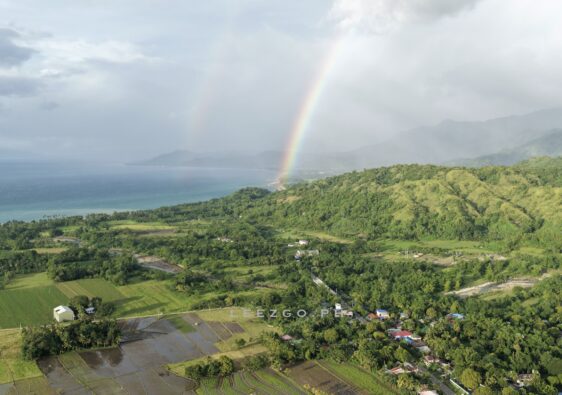
Tucked in the southernmost curve of Mindanao lies a province often overlooked—not for lack of beauty, but for its quiet refusal to shout. Davao Occidental invites you to feel the land’s gentle pulse, where mountains lean into the sea, coastlines stretch unhurried, and heritage lives in every smile.
Pause here. Listen. This is a place of subtle contrasts—regal government buildings rising beside rice fields, dive spots blooming in simplicity, and beaches that feel like borrowed pieces of paradise. Davao Occidental doesn’t ask you to rush. It asks you to feel. And if you do, it offers stories worth keeping.
📋TABLE OF CONTENTS
I – WHAT YOU NEED TO KNOW ABOUT DAVAO OCCIDENTAL
Davao Occidental is the newest province in the Philippines, officially ratified on October 28, 2013 through a plebiscite following the enactment of Republic Act No. 1036011. It was carved from the southern municipalities of Davao del Sur, a region often referred to as the province’s southern coastal belt.
Even before gaining provincial status, this area was celebrated for its untouched natural beauty, indigenous heritage, and coastal charm. The Blaan and Tagakaulo tribes—two of the region’s prominent Indigenous communities—continue to preserve vibrant traditions through weaving, rituals, and oral storytelling.
The capital town, Malita, has long served as the region’s economic and trade hub, thriving even before the province’s formal creation. Today, it anchors Davao Occidental’s growth while remaining close to its cultural roots.
Davao Occidental is part of Region XI that is otherwise known as the Davao Region along with the provinces of Davao del Sur, Davao Del Norte, Davao Oriental and Davao de Oro (formerly Compostella Valley)
II – POINTS OF INTEREST
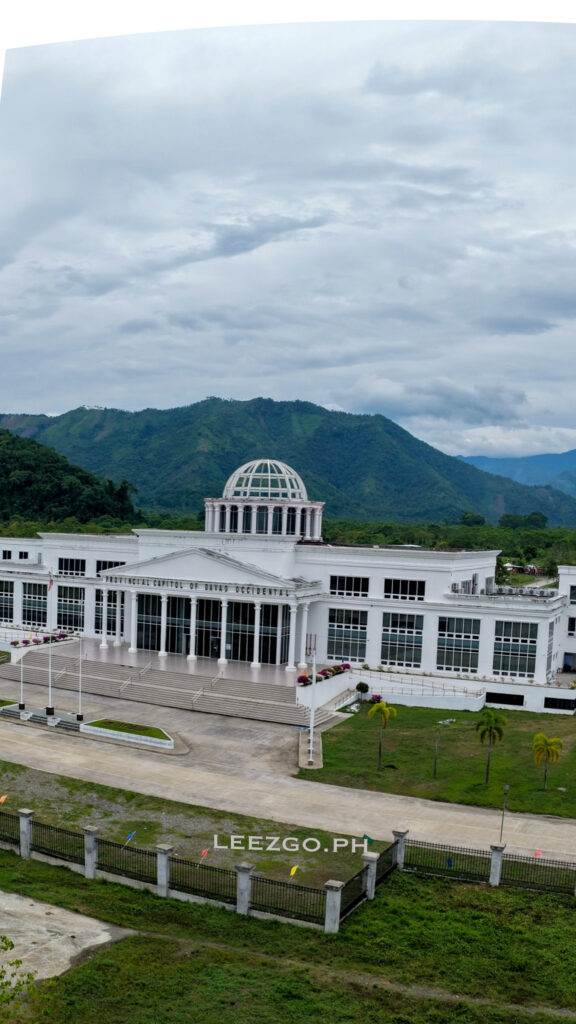
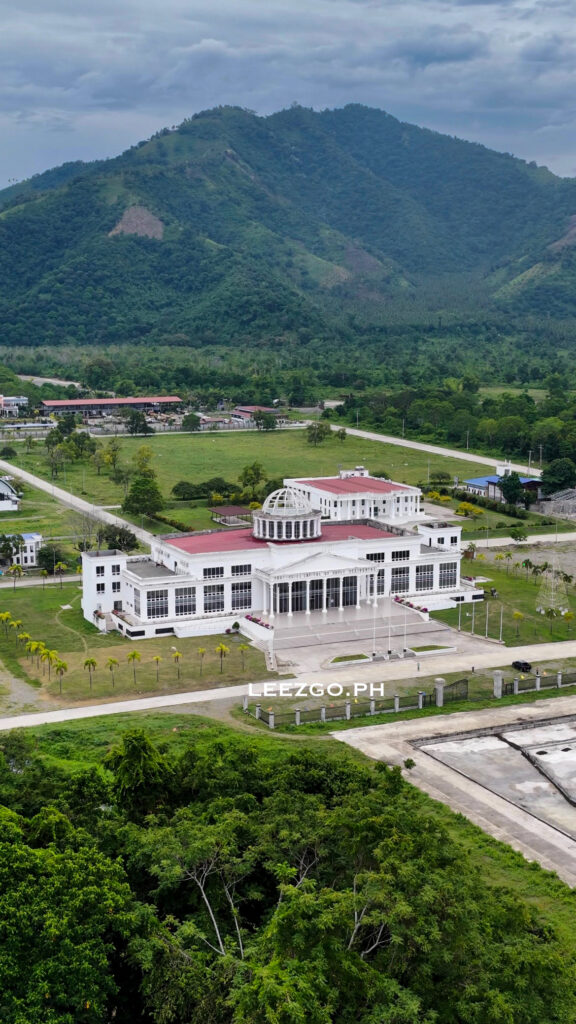
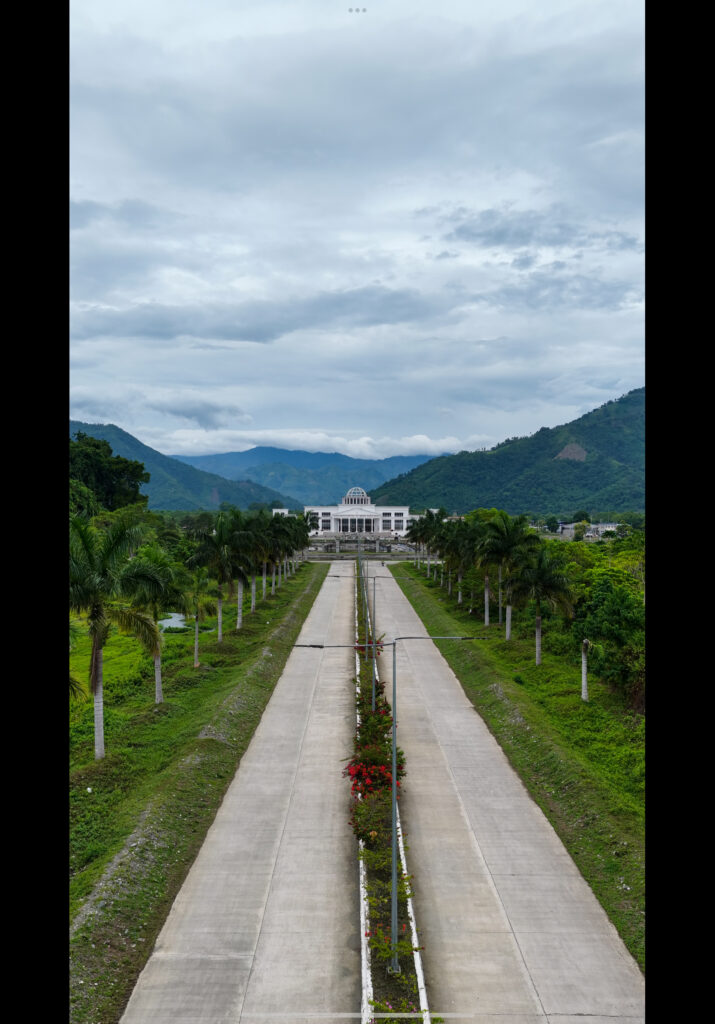
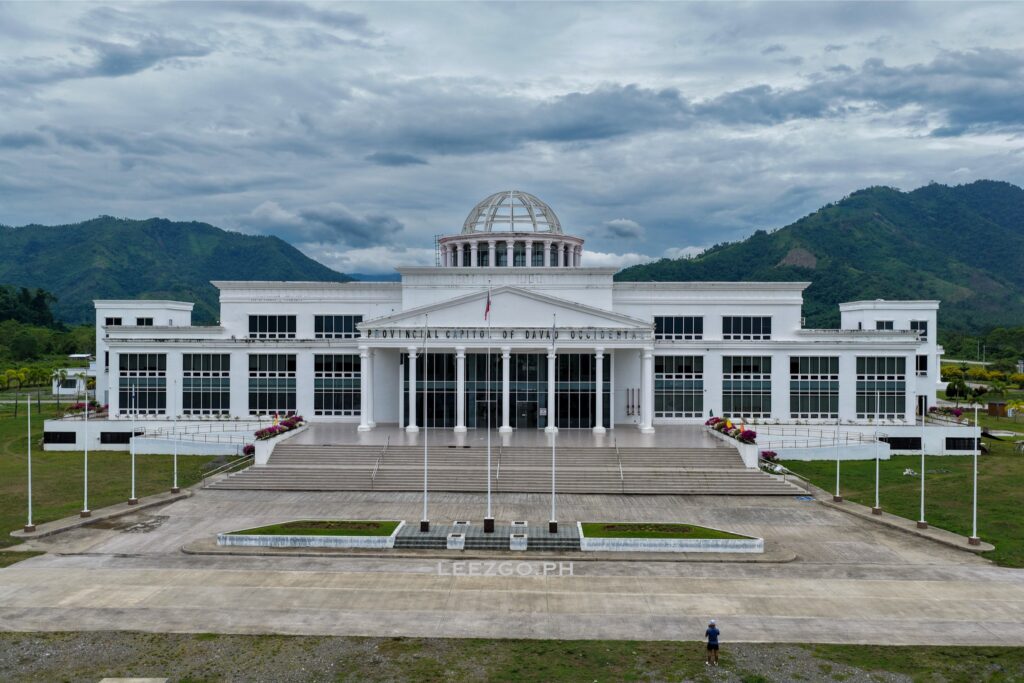
Davao Occidental Provincial Capitol – Malita2
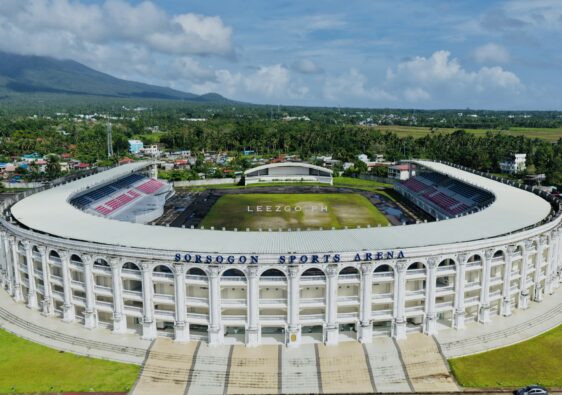
Three hours from Davao City, the imposing capitol stands between farmland and forested hills, just a breath from the sea. Its architecture speaks of dignity and purpose—a symbol that governance, when rooted in community, becomes trust made tangible. Here, you’re reminded that every decision shapes futures beyond these walls.
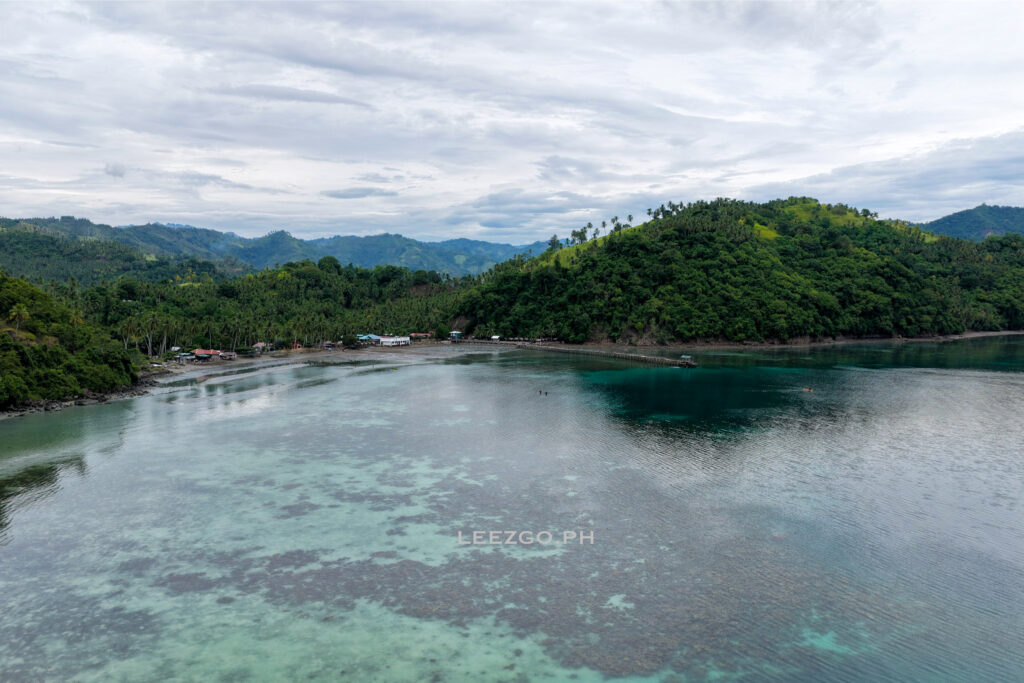
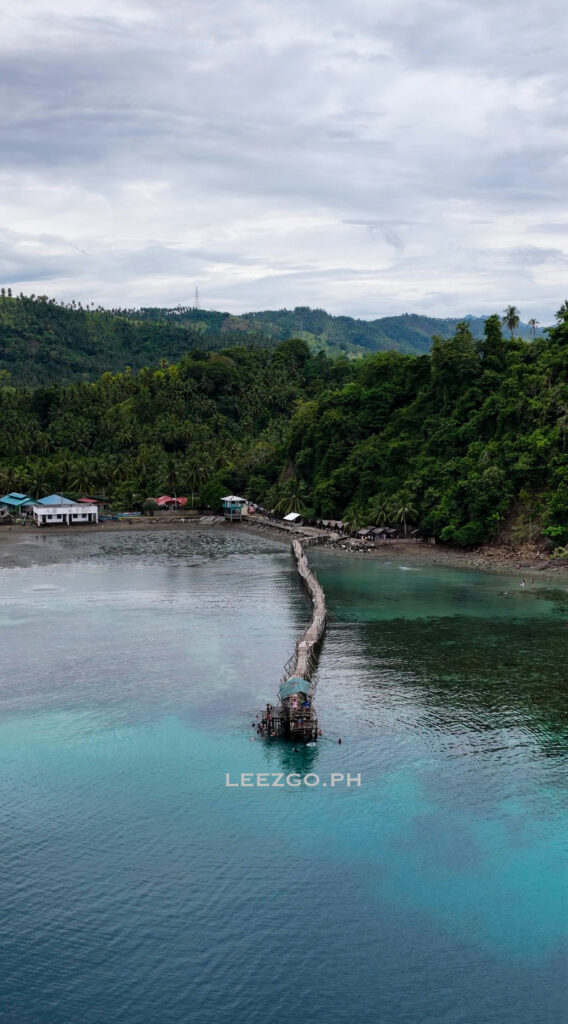
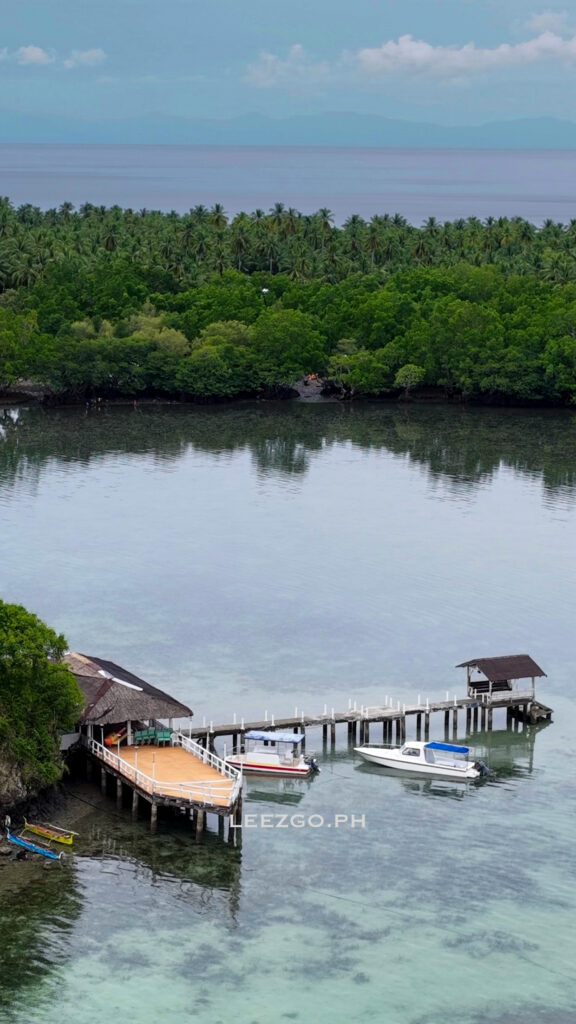
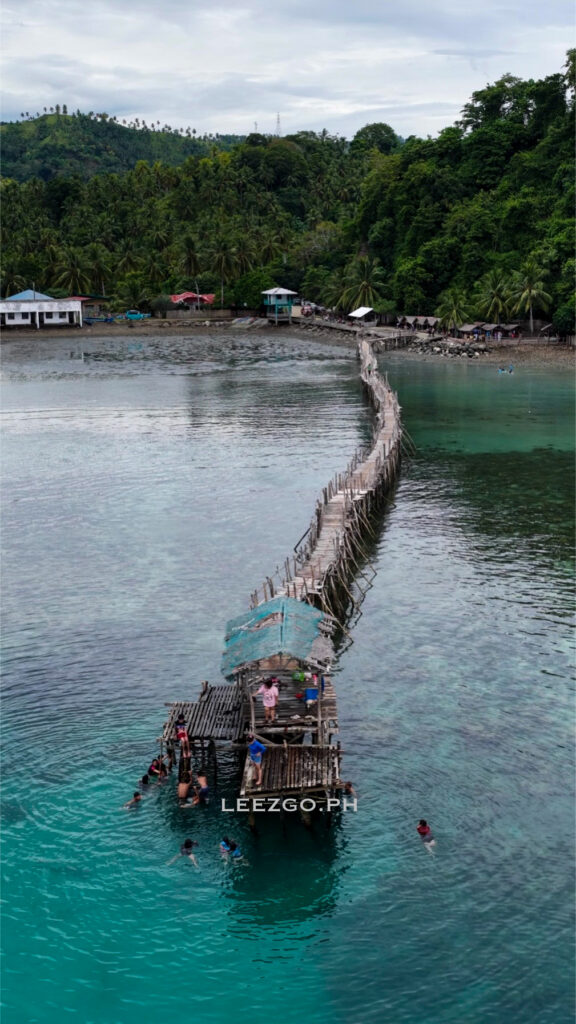
Malita Dives (“Little Maldives”)
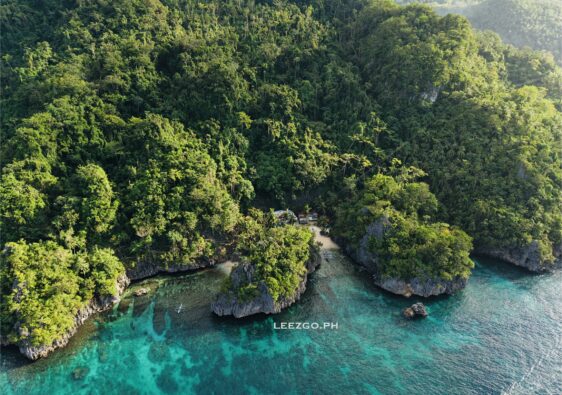
Also in Malita, this coastal enclave isn’t about luxury—it’s about joy. Dive the clear waters, picnic on rocky ledges, or simply let the waves do the talking. No grand resorts—just the rhythm of sea and laughter of locals forging deeper connections to nature and self.
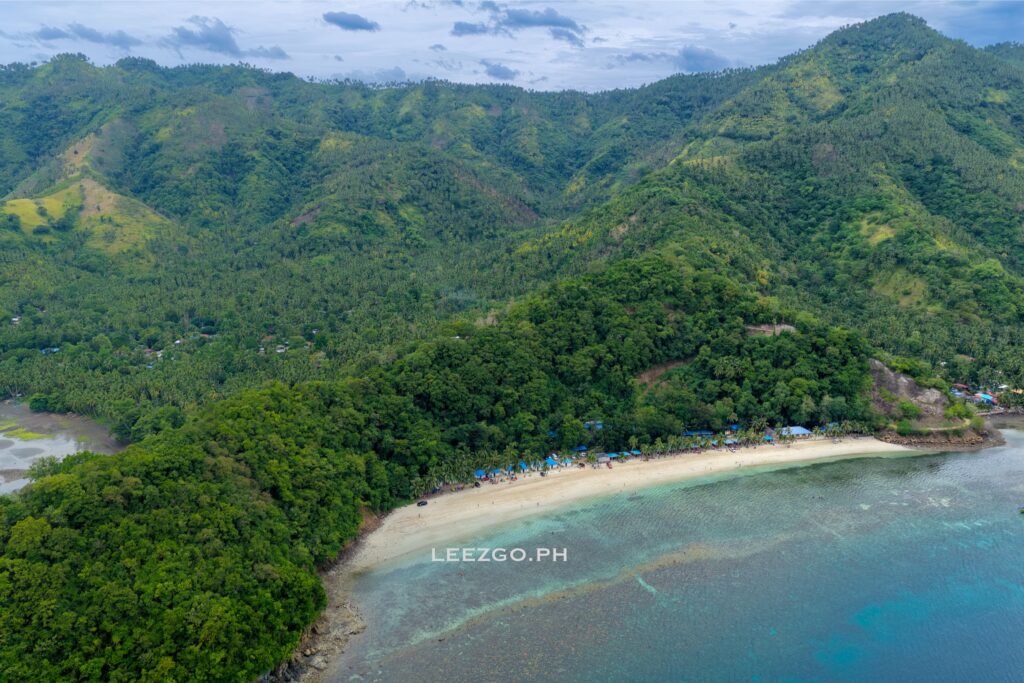
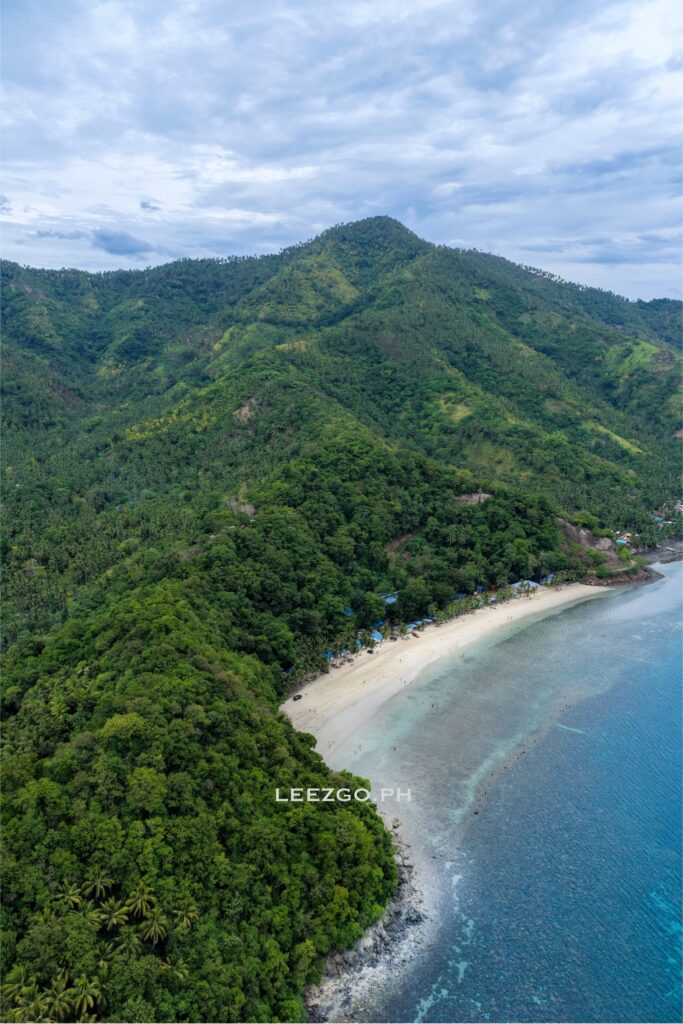
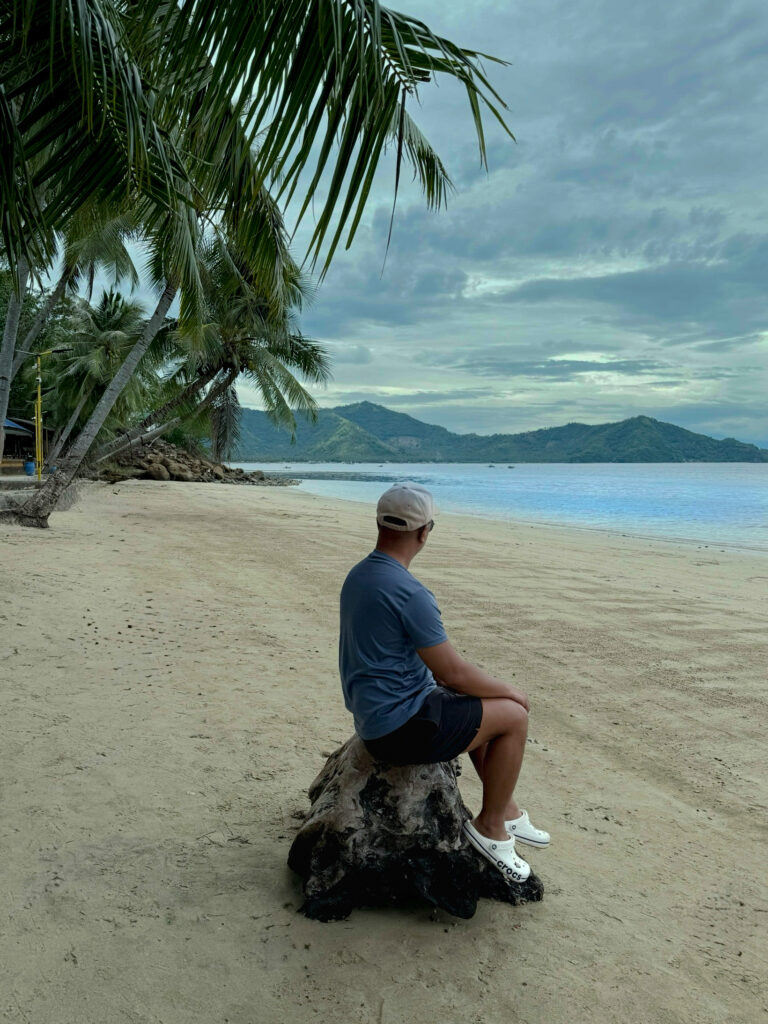
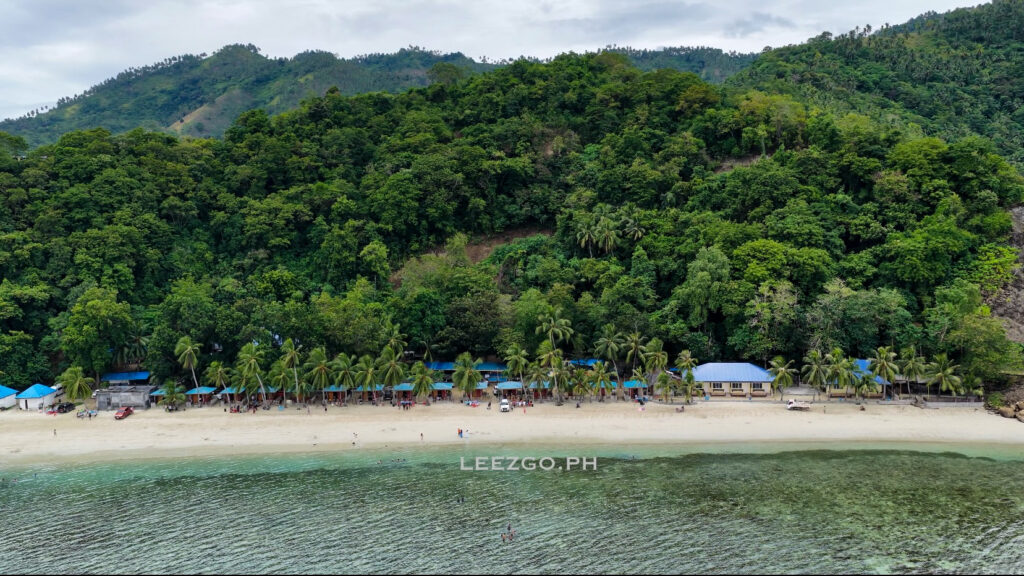
Little Boracay – Sta. Maria3
Less than an hour away, this stretch of powdery white sand offers unfiltered happiness. Locals gather for food trips, swimming, and laughter. Whether you chase waves or memories, Little Boracay delivers both without pretense. (Entrance fee: ₱50)
Sta. Maria Viewdeck
Perched above Malalag Bay and the vast Davao Gulf, this lookout invites silence—and, in that silence, clarity. Plan your visit early or late to beat the crowd and frame your perspective in soft, golden light.
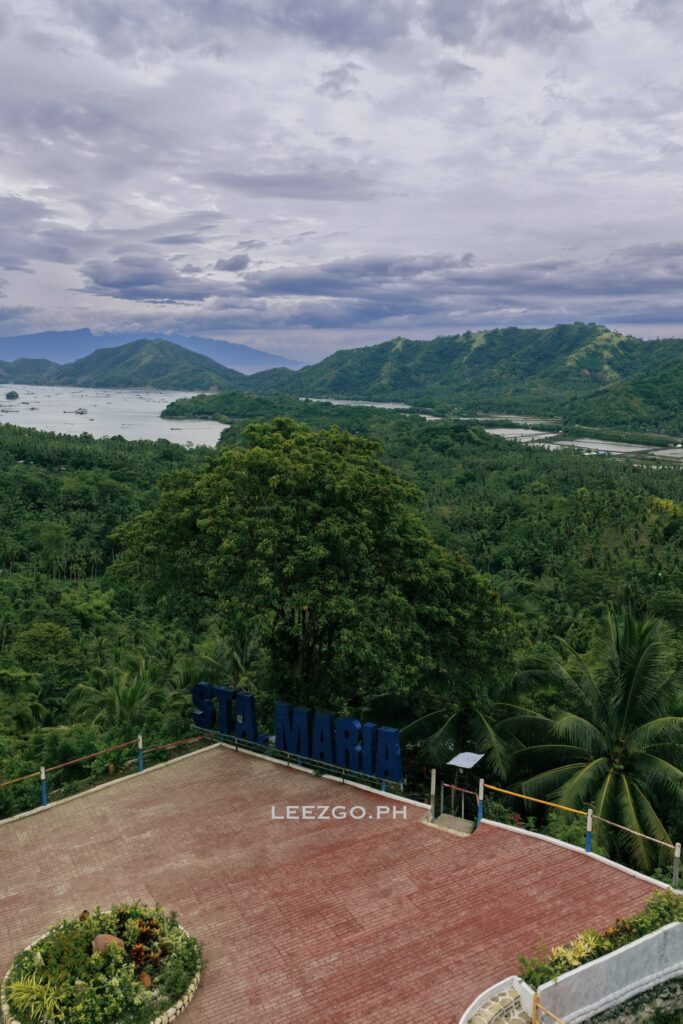
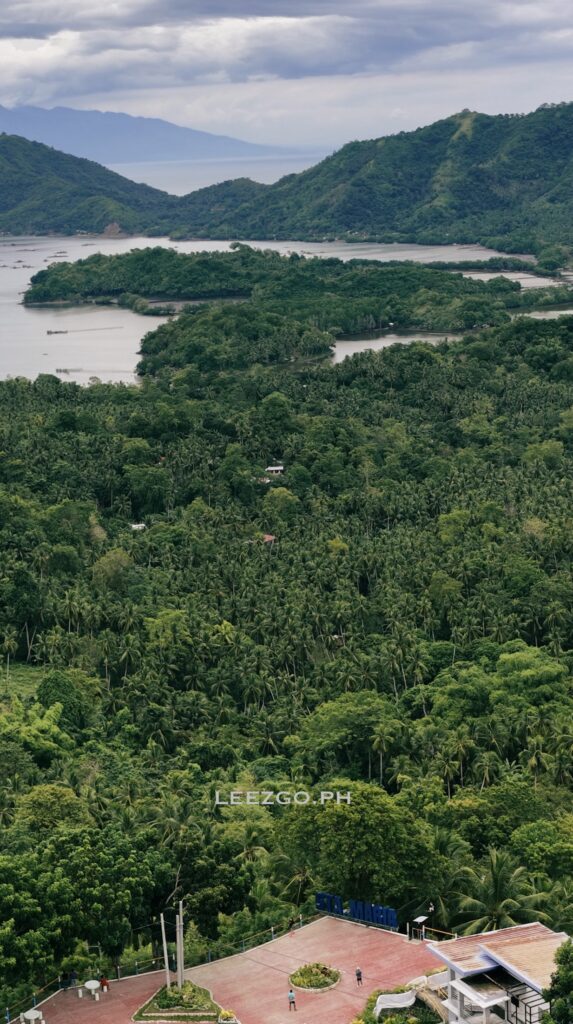
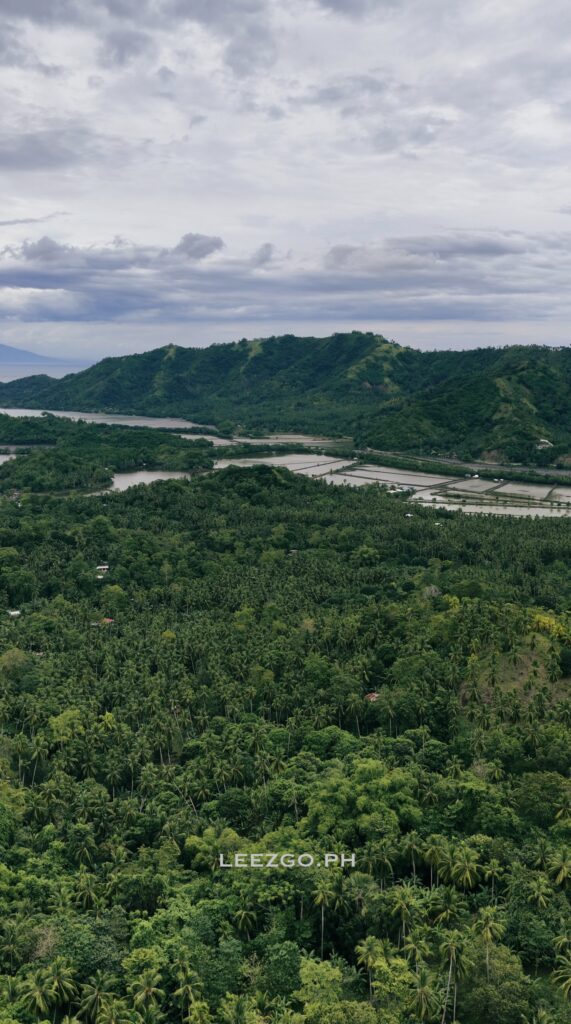
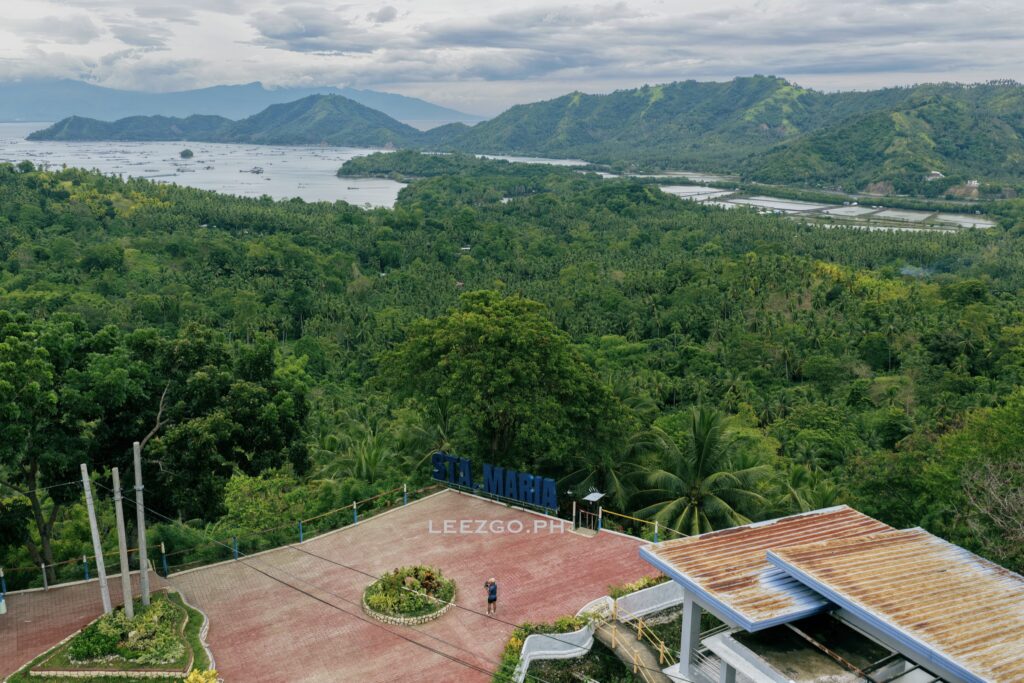
Note: The first 4 is where I visited given I only have day tour. Depending on your preference you can choose to explore other hidden gems below.
Other Hidden Gems
- Tubalan Cove (Malita): A quiet inlet framed by dramatic rock formations—ideal for sunrise sketches or meditation.
- Sarangani Island (Jose Abad Santos): Snorkel pristine reefs; let your feet sink into untouched shorelines.
- Tagakaulo Cultural Village (Don Marcelino): Engage in beadwork, bamboo music, and living stories of indigenous heritage.
- Mount Kibusao (Sta. Maria): Hike through native flora to rewarding Gulf vistas; watch for endemic birds.
- Balut Fish Port (Malita): Capture the rhythm of coastal life—fishermen, fresh catch, and boats at sunset.
- and many more awaiting to be explored4
III – HOW TO GET THERE
Entry Point is usually through Davao City. Airfare usually cost ₱2,800–₱4,800 one way or round trip if bought on sale.
Option 1: Private Vehicle w/ Driver
- Route: Davao City → Malita (3 hr)
- Travel Time: 3 hours
- Best for: Flexibility for hidden stops and timing
- Downside: Can be costly if traveling in a group of 3 and below pax.
- Note: This is the option we selected. 4×4 rental cost ₱3,000 excluding gas. (I highly suggest Sir Tony, KNA Van Rental – Contact: +63 967 450 6676)
Option 2: Self-Drive
- Route: Davao City → Malita (3 hr)
- Travel time: 3 hours
- Best for: Groups of 2–6 that is willing to self drive
- Downside: Can be costly if traveling in a group of 3 and below pax and should need backup driver within a group.
- Note: Car Rental in Davao City is around ₱1,300–₱2,500/day but excludes gas.
Option 3: Public Transportation
- Route: Davao City → Malita (via Ecoland 5 Terminal; fare ₱250–₱300)
- Travel time: 4-5 hours
- Requires local transfers by habal-habal or tricycle (₱20–₱100)
- Boat rides to Jose Abad Santos/Sarangani as needed
- Downside: Availability of public transport especially on the southern part of the province. This approach requires a thorough planning.
IV – SAMPLE ITINERARY
Option 1 – Day Tour with Davao del Sur Side Trip
| Time | Activity | Estimated Cost (₱) |
| 7:00 AM | Depart for Davao Occidental | ₱4,000 4×4 rental including gas |
| 9:45 AM | Visit Provincial Capitol | no entrance fee |
| 10:30 AM | Head to Little Maldives | no entrance fee |
| 11:45 AM | Enjoy Little Boracay | Entrance Fee: Adult-₱50/Child below 4y/o-free |
| 1:00 PM | Sta Maria Viewdeck | no entrance fee |
| 3:00 PM | Lunch – Back to Davao del Sur (suggest to have Lunch in Mers where you can also buy your pasalubong.) | Lunch Cost ₱150-₱350 |
| 4:30 PM | Camp Sabros (Davao del Sur) | Entrance Fee: Adult-₱100/Senior Citizen-₱80/Child-₱50 |
| 6:00PM | Davao del Sur Provincial Capitol | |
| -end of tour- | -end of tour- | -end of tour- |
Option 2 – 2- 3 Days Extension – Davao Occidental (DIY Traveler Edition)
This extension builds on Day 1’s cultural pulse and coastal charm, offering deeper immersion into beaches, viewdecks, indigenous heritage, and island escapes. All costs are estimated for independent travelers.
Day 1 – Coastal Pulse & Cultural Threads
| Time | Activity | Estimated Cost (₱) |
| 6:00 AM | Depart Davao City via rented 4×4 or SUV | ₱2,500–₱3,500 (daily rental) |
| 9:00 AM | Quick breakfast at local carinderia in Malita | ₱80–₱150 per person |
| 10:00 AM | Visit Davao Occidental Provincial Capitol – photo op & reflection | Free |
| 11:30 AM | Explore Malita Dives (Little Maldives) – picnic, swim, freedive | ₱100–₱300 (snacks + gear) |
| 1:00 PM | Lunch by the coast – grilled seafood or kinilaw | ₱150–₱250 per person |
| 2:30 PM | Visit Balut Fish Port – observe local trade & sunset views | Free |
| 4:00 PM | Check-in at local homestay or pension house | ₱500–₱1,000 per night |
| 6:00 PM | Dinner & storytelling with locals (ask about Tagakaulo heritage) | ₱100–₱200 per person |
Day 2 – Beaches, Viewdecks & Hidden Trails
| Time | Activity | Estimated Cost (₱) |
| 7:00 AM | Breakfast & prep for road trip | ₱100–₱150 per person |
| 8:00 AM | Depart for Sta. Maria | Included in vehicle rental |
| 9:00 AM | Arrive at Little Boracay – beach time, bonding, food trip | ₱50 entrance fee |
| 12:00 PM | Lunch by the beach – snacks or sari-sari store meals | ₱100–₱200 per person |
| 1:30 PM | Visit Sta. Maria Viedeck Viewdeck – panoramic shots | Free |
| 3:00 PM | Optional trek to Mount Kibusao (weather permitting) | ₱100 guide fee (optional) |
| 5:30 PM | Return to Malita or stay overnight in Sta. Maria | ₱500–₱1,000 per night |
| 7:00 PM | Dinner & journaling | ₱100–₱200 per person |
Day 3 – Island Escape & Indigenous Echoes
| Time | Activity | Estimated Cost (₱) |
| 6:00 AM | Early breakfast & boat prep | ₱100 per person |
| 7:00 AM | Depart for Sarangani Island (arrange boat with locals) | ₱500–₱800 roundtrip boat fee |
| 8:00–12:00 PM | Snorkeling, beach walk, quiet time on the island | ₱100–₱300 (gear/snacks) |
| 1:00 PM | Return to mainland – lunch in Jose Abad Santos | ₱150–₱250 per person |
| 2:30 PM | Visit Tagakaulo Cultural Village in Don Marcelino (if open) | ₱50–₱100 donation |
| 4:00 PM | Begin return trip to Davao City | Included in vehicle rental |
| 7:00 PM | Arrive in Davao – dinner stop or straight home | ₱150–₱250 per person |
V – WHAT TO BRING
| Essentials | Purpose |
| Camera or drone | Capture Capitol, ridge, birds, and coastal views |
| Water bottle | Stay hydrated during hikes and transfers |
| Sun protection | Hat, sunscreen, scarf for midday exposure |
| ID | For Capitol access and check-ins |
| Small bills | For fares, snacks, and entrance fees |
| Comfortable shoes | For walking, hiking, and market strolls |
| Swimwear (optional) | For Lebak beach |
VI – FINAL THOUGHTS
Davao Occidental is quiet, green, and grounded. We didn’t get to see every highlight, but what we did experience left us with stories worth keeping.
It’s a place that doesn’t need to impress; it simply exists, quietly grand. We left with more questions than answers—and stories we’ll keep for a lifetime. Next time, we’ll return to honor its soul as much as its scenery.
VII – REFERENCES
- Republic Act 10360: https://www.officialgazette.gov.ph/2013/01/14/republic-act-no-10360/ ↩︎
- Municipality of Malita – Provincial Capitol – malita.gov.ph ↩︎
- Municipality of Sta Maria stamaria.gov.ph ↩︎
- Tourism Information – https://davaooccidental.gov.ph/tourism/ ↩︎
SHARE ON
Leave A Comment