Lee Fabia
Siquijor, widely known as Isla del Fuego, is one of the most sought-after travel destinations in the Philippines in 2025. Despite being one of the country’s smallest provinces, the island leaves a lasting impression through its pristine beaches, dramatic cliffs, lush mountains, rich heritage, and deep spiritual culture. Travelers often return – not just for its beauty, but for the stories and connections formed along the way. Time for you to explore Siquijor.
📋 TABLE OF CONTENTS
I – WHAT YOU NEED TO KNOW
- Geography and Terrain
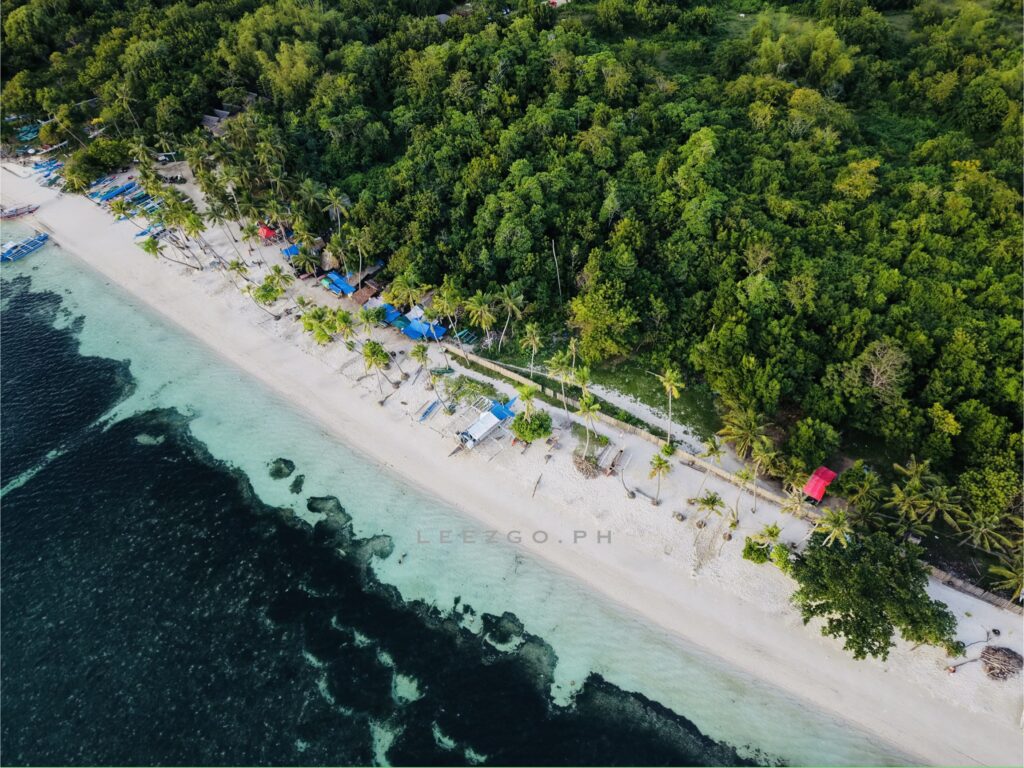
Siquijor is an island province located in Negros Island Region. It features a ring of white-sand beaches and coral reefs along its coast, while the interior is dominated by forested hills and mountains. A circumferential road allows travelers to explore the entire island in approximately two hours, making it perfect for DIY travel. - History and Heritage
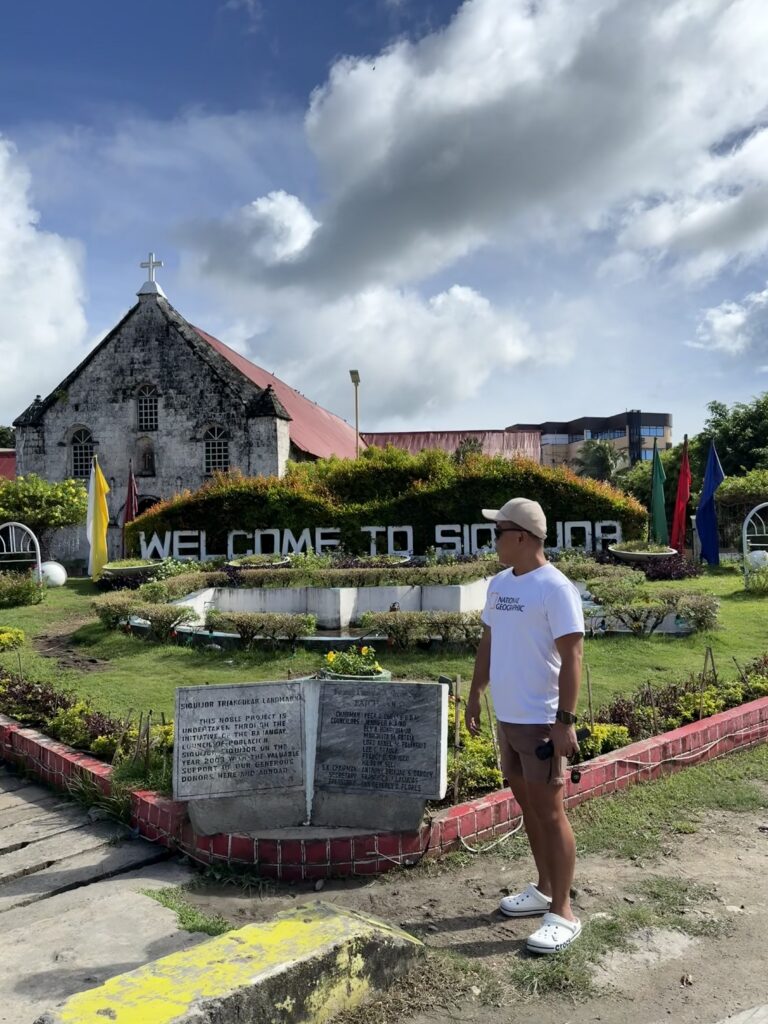
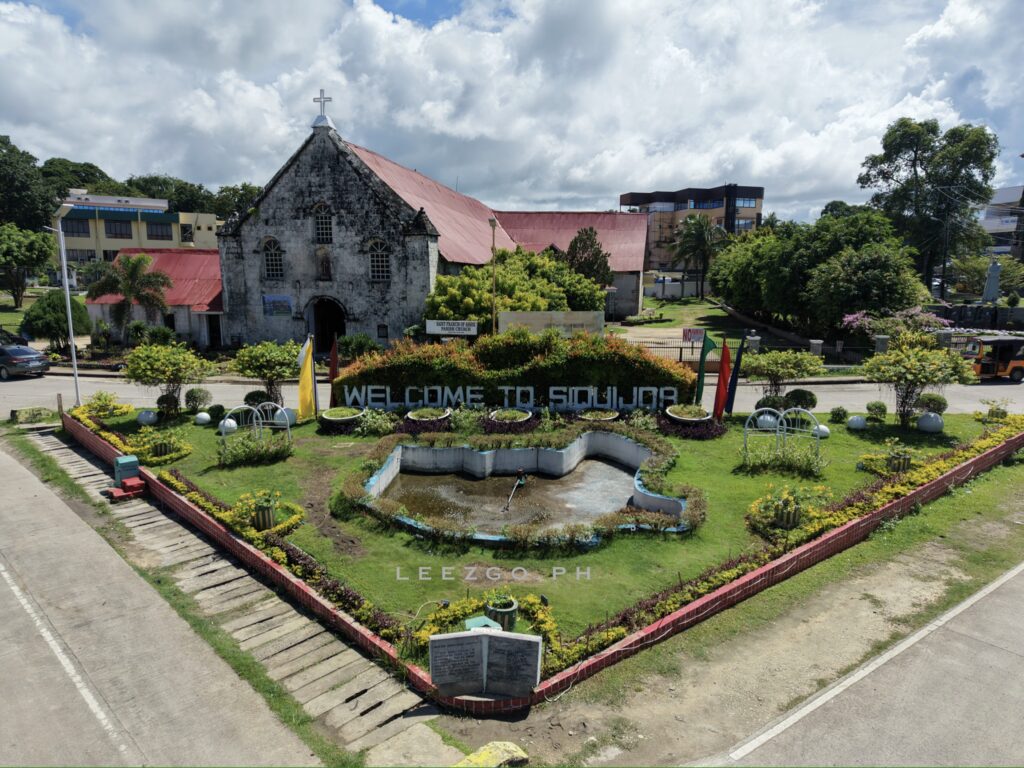
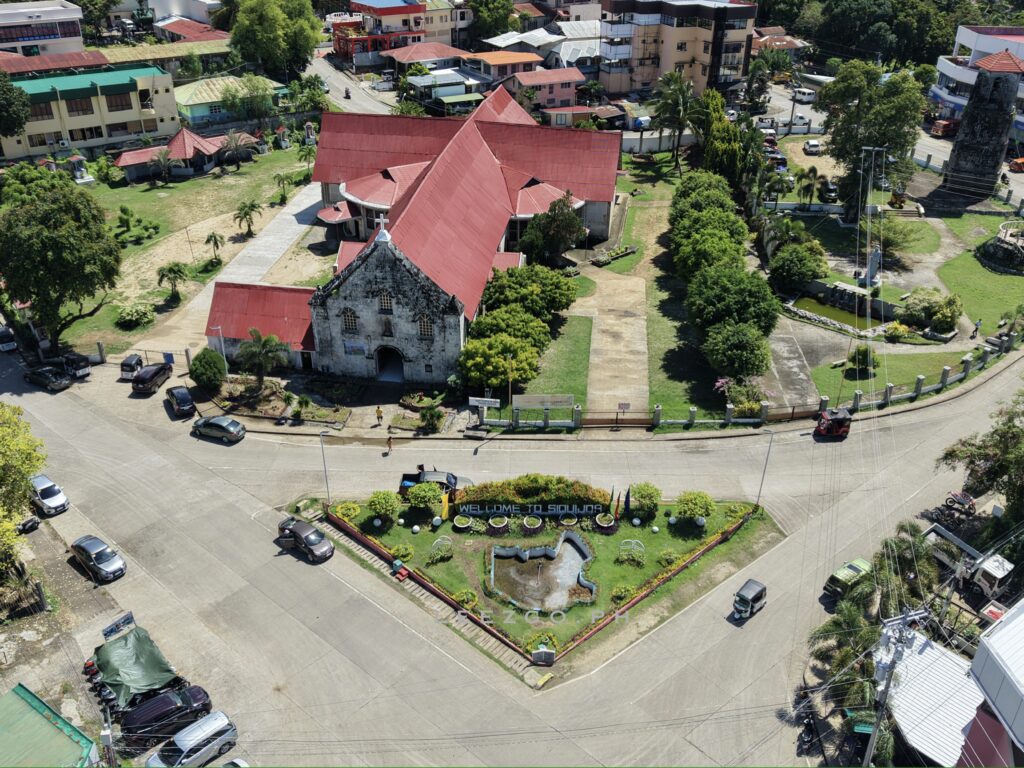
Established in 1783, Siquijor has a rich colonial history influenced by Spanish rule. The island is home to several historically significant churches, including St. Francis of Assisi Church (1793) and Lazi Church, both recognized as National Cultural Treasures.1 - Religion and Culture
Roman Catholicism plays a central role in local life. Religious festivals, centuries-old churches, and devotional practices remain strong. This Island province is also known for its traditional healing practices that contribute to its mystical reputation. - Economy and Craftsmanship
The local economy relies on tourism2, agriculture, and fishing. Residents are also known for their traditional crafts, herbal medicine, weaving, and food products made from local resources.3 - Other Key Facts
Most of Siquijor’s coastal areas are marine-protected zones, making the island ideal for snorkeling, freediving, and scuba diving. Environmental conservation is strongly supported by local communities.
II – POINTS OF INTEREST
PALITON BEACH
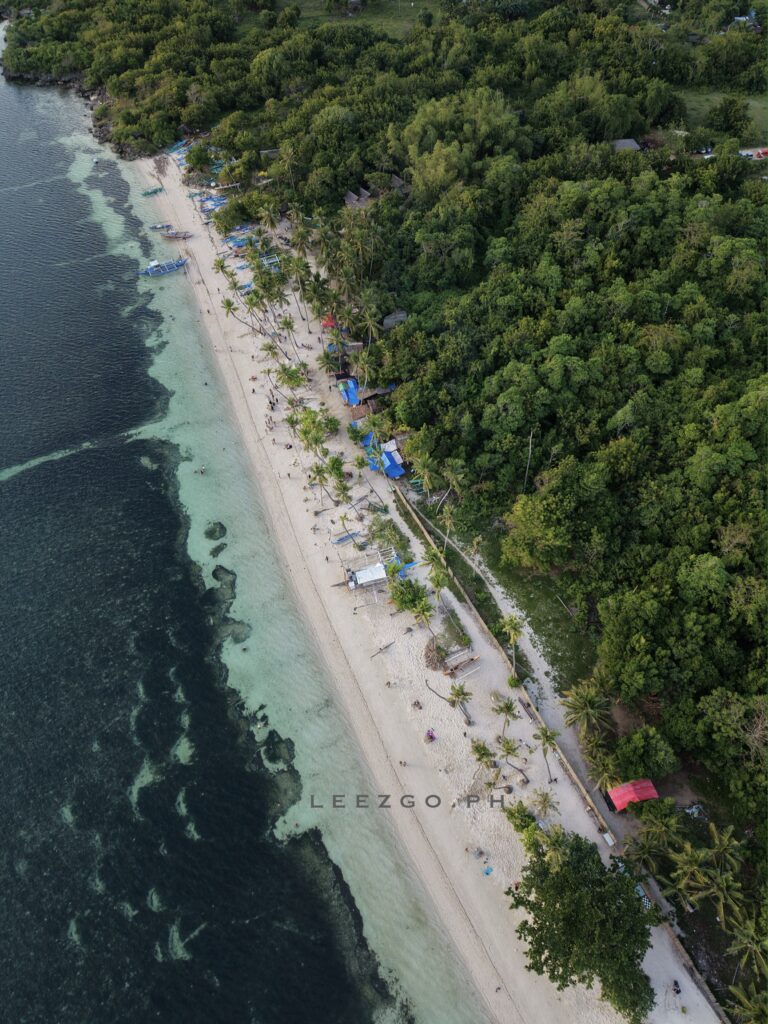
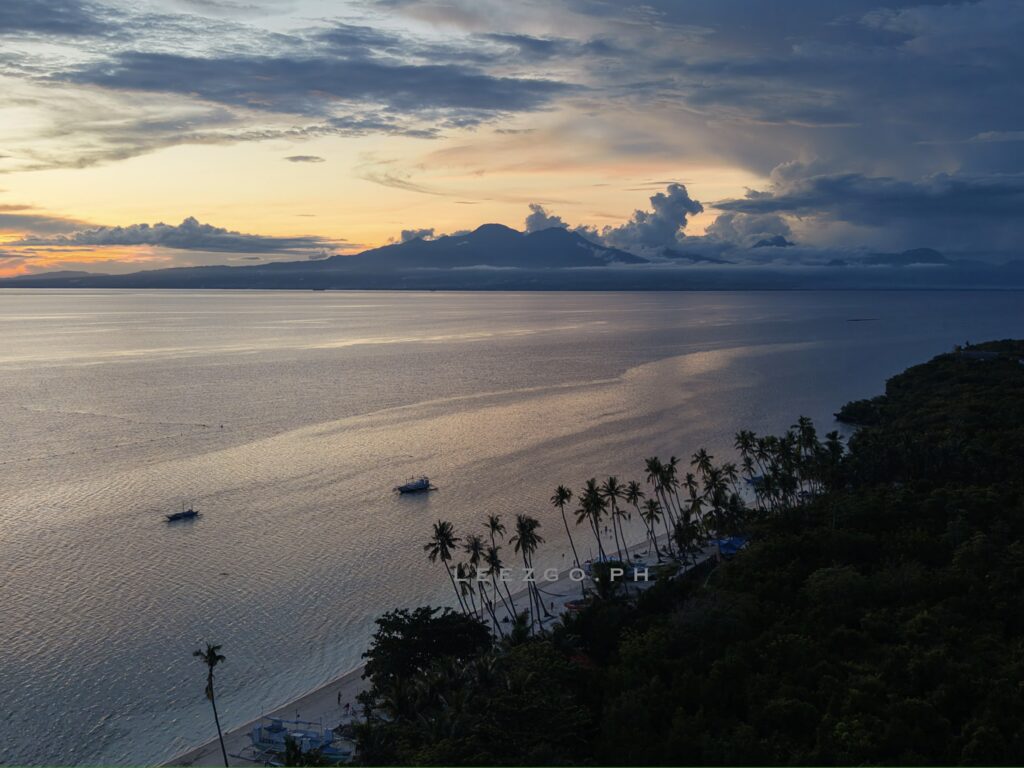
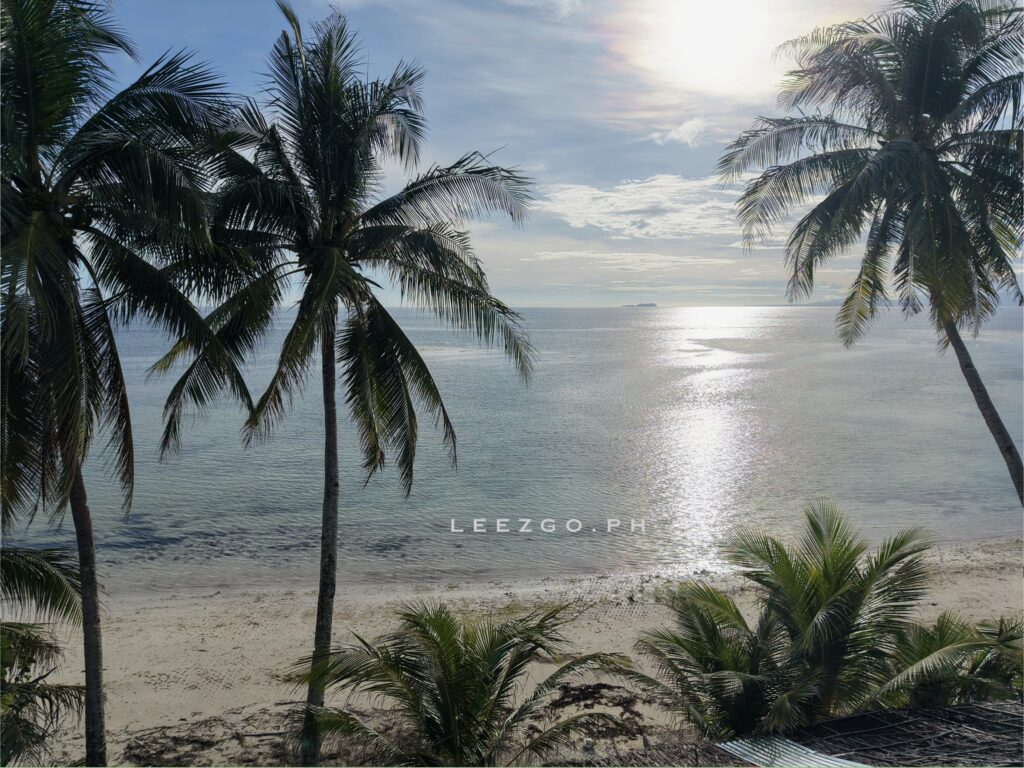
A serene stretch of powdery white sand framed by coconut trees, Paliton Beach is often called the “Little Boracay of Siquijor.” Its calm, shallow waters make it perfect for swimming, while sunsets here paint the horizon in fiery shades of orange and pink.
SALAGDOONG BEACH AND FOREST RESERVED
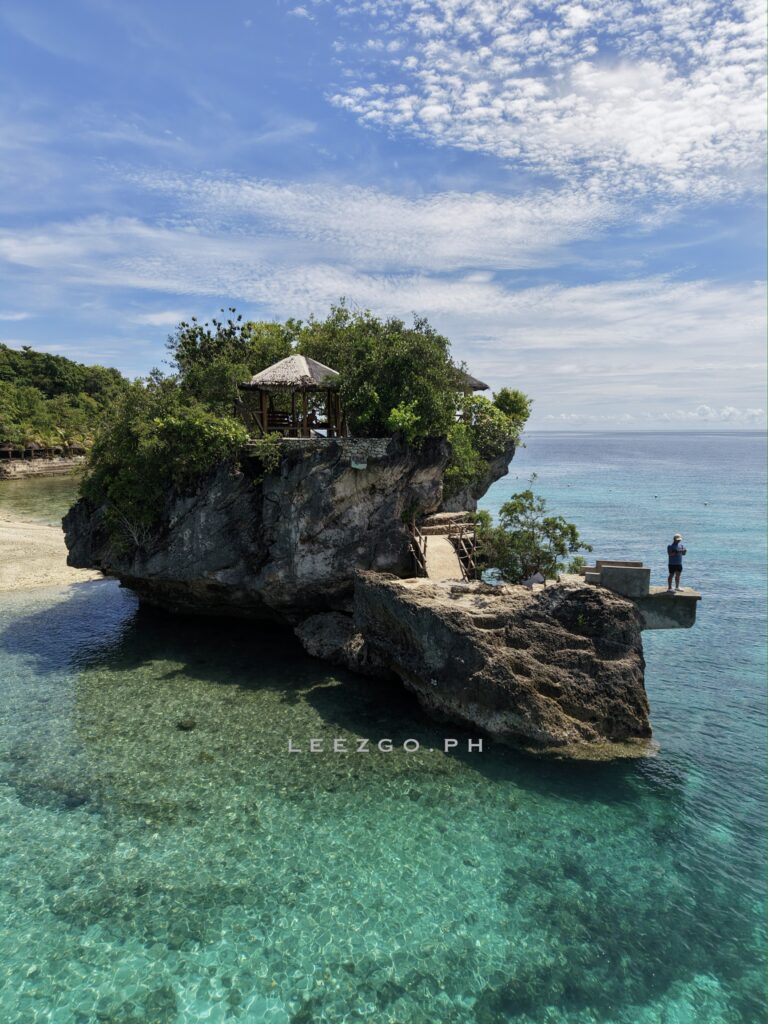
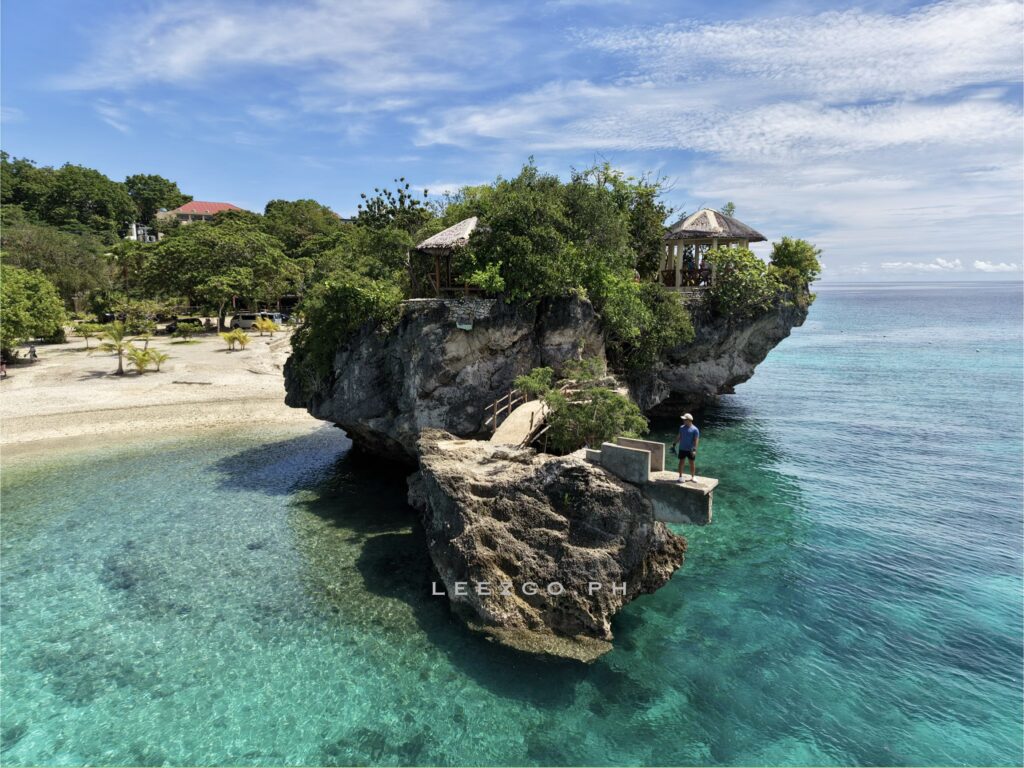
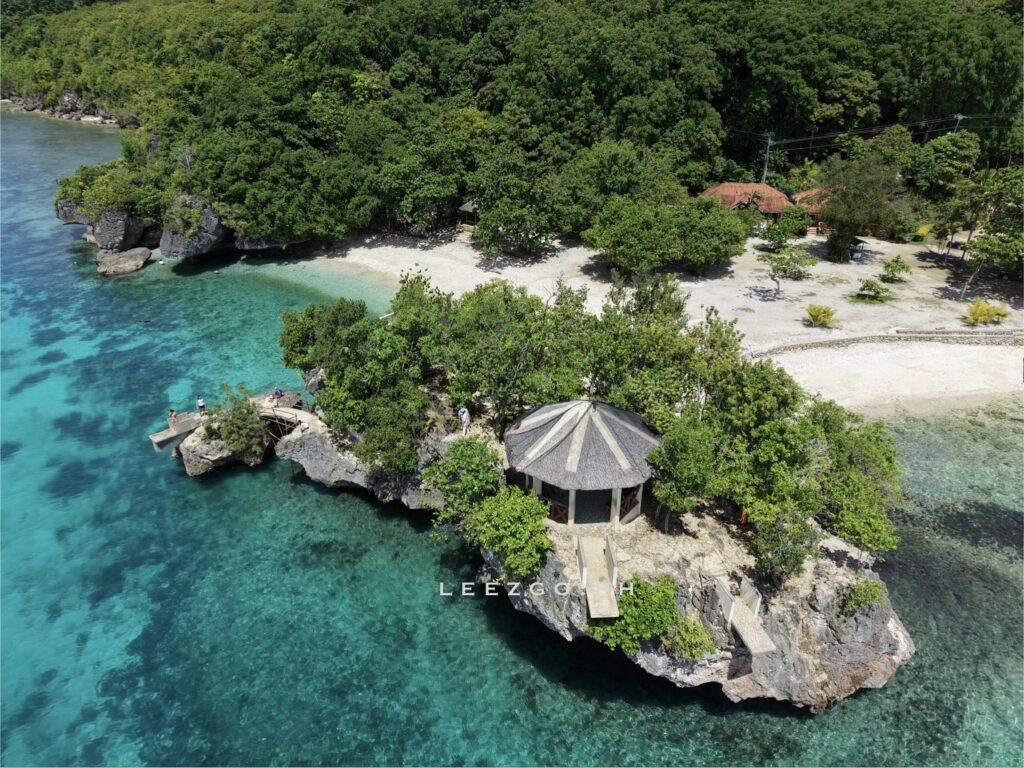
This spot combines adventure and relaxation. The beach is famous for its crystal-clear waters and cliff-diving platforms, while the surrounding forest reserve offers shaded trails and a refreshing escape into nature that is carefully preserved by locals.
CAMBUGAHAY FALLS
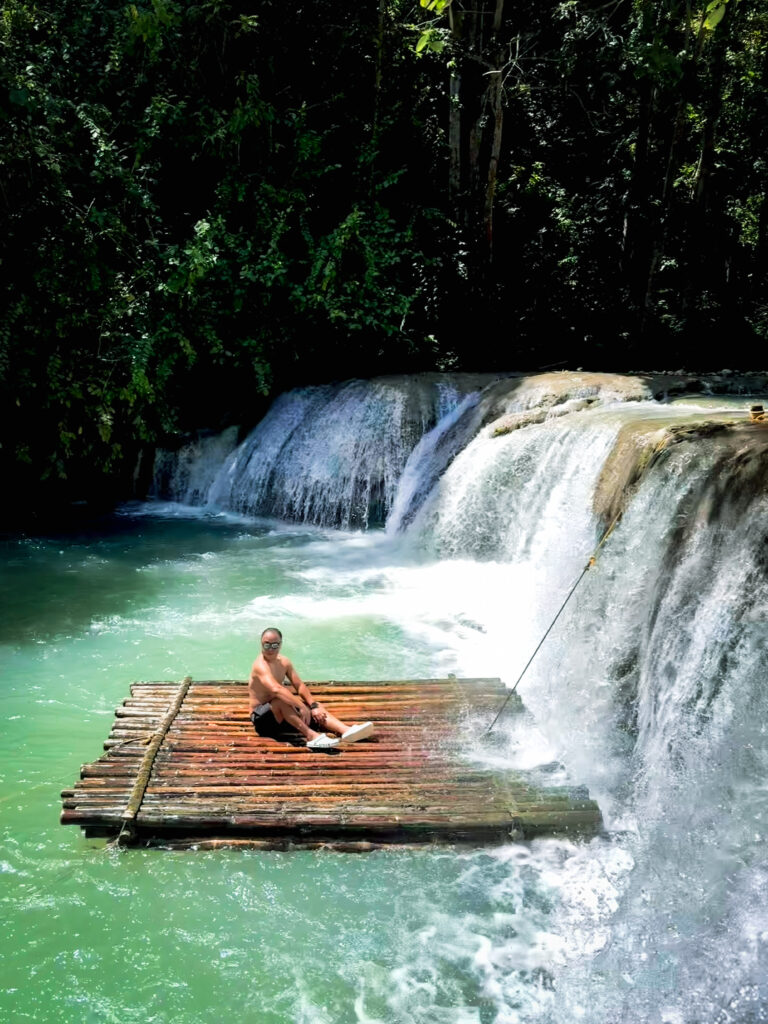
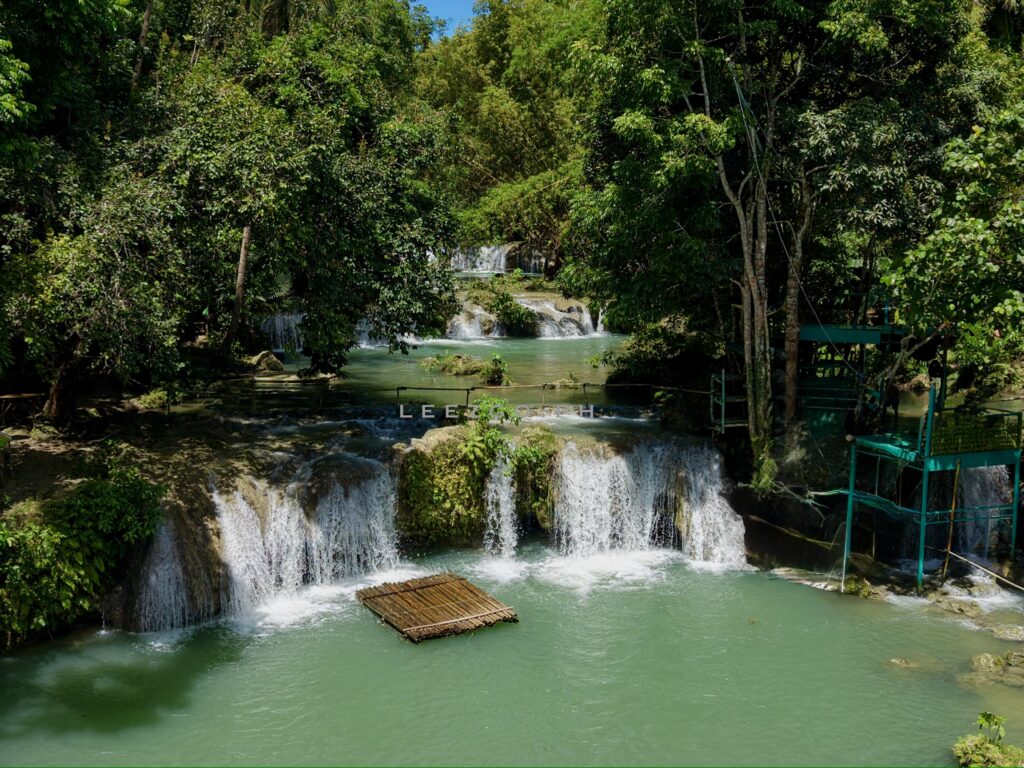
A three-tiered waterfall with turquoise pools, Cambugahay is one of Siquijor’s most iconic attractions. Visitors can swing from ropes into the cool water or simply relax in the natural basins surrounded by lush greenery.
LUGNASON FALLS
Hidden within the forest, Lugnason Falls is a quieter alternative to Cambugahay. Its single cascade flows into a natural pool, offering a peaceful retreat for those seeking solitude and a refreshing dip.
MT BANDILAAN NATIONAL PARK
The island’s highest peak, Mount Bandilaan, is wrapped in dense forest and dotted with hiking trails. The national park is home to medicinal plants, wildlife, and a viewing tower that rewards trekkers with panoramic views of Siquijor and nearby islands.
OLD ENCHANTED BALETE TREE
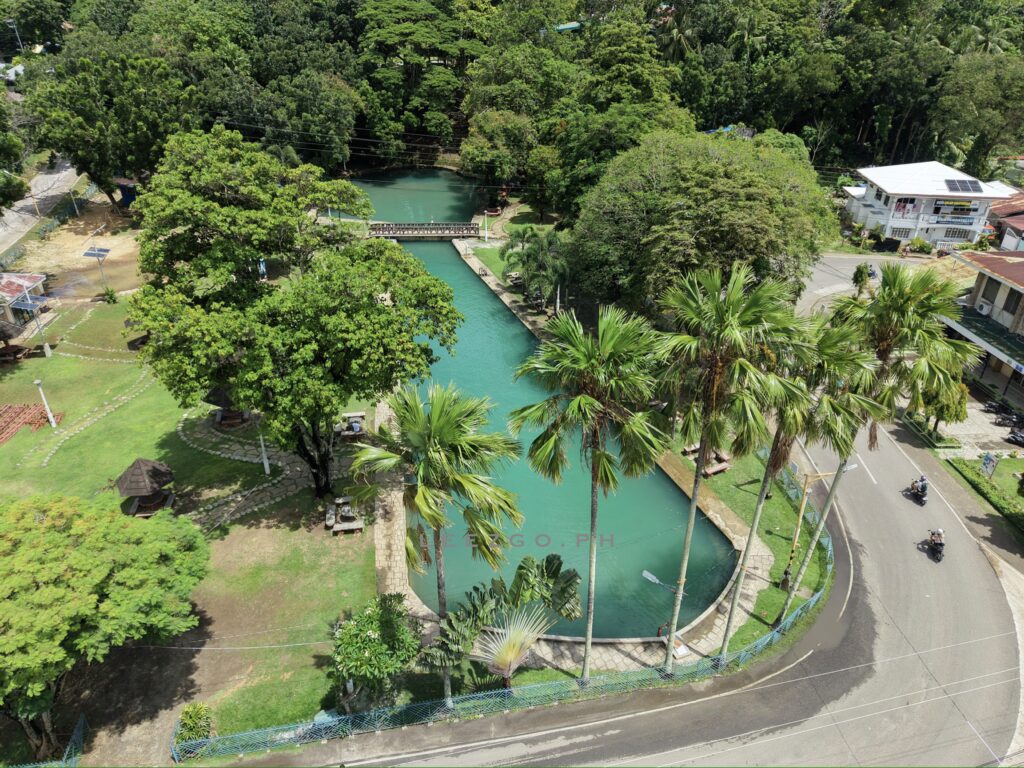
Estimated to be over 400 years old, this massive balete tree is steeped in local folklore. At its base lies a natural spring where visitors can dip their feet and enjoy a unique “fish spa” experience.
MARIA MAN-MADE FOREST
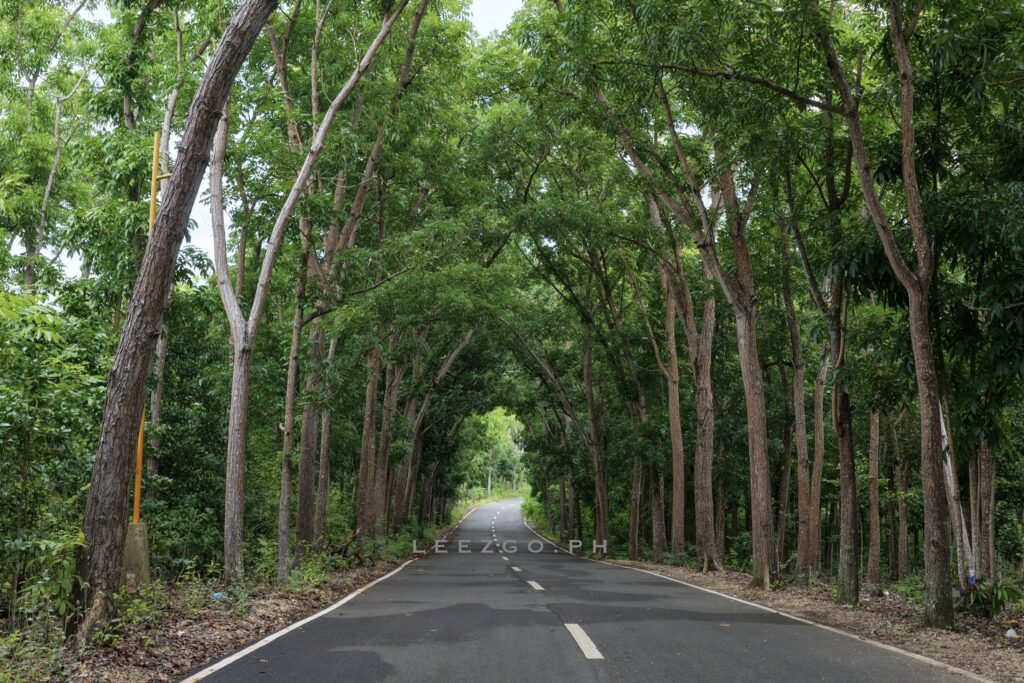
A stretch of road shaded by towering mahogany trees, the Maria Man-Made Forest offers a cool, tranquil drive or walk. Its symmetrical rows create a tunnel-like effect, making it a favorite spot for photos and quiet reflection.
LAZI CHURCH AND CONVENT
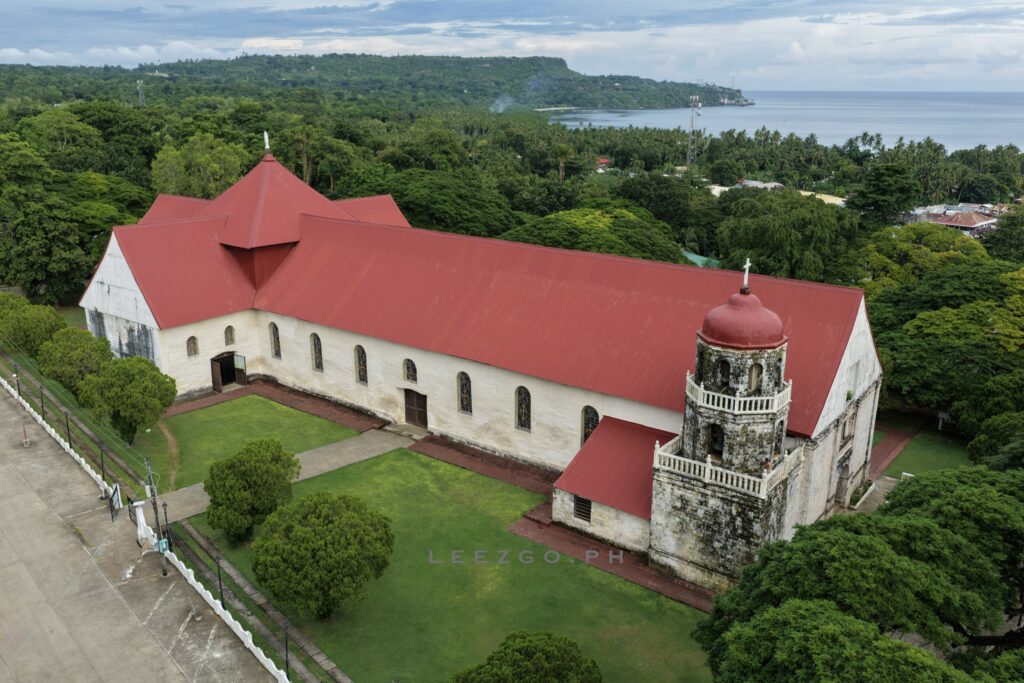
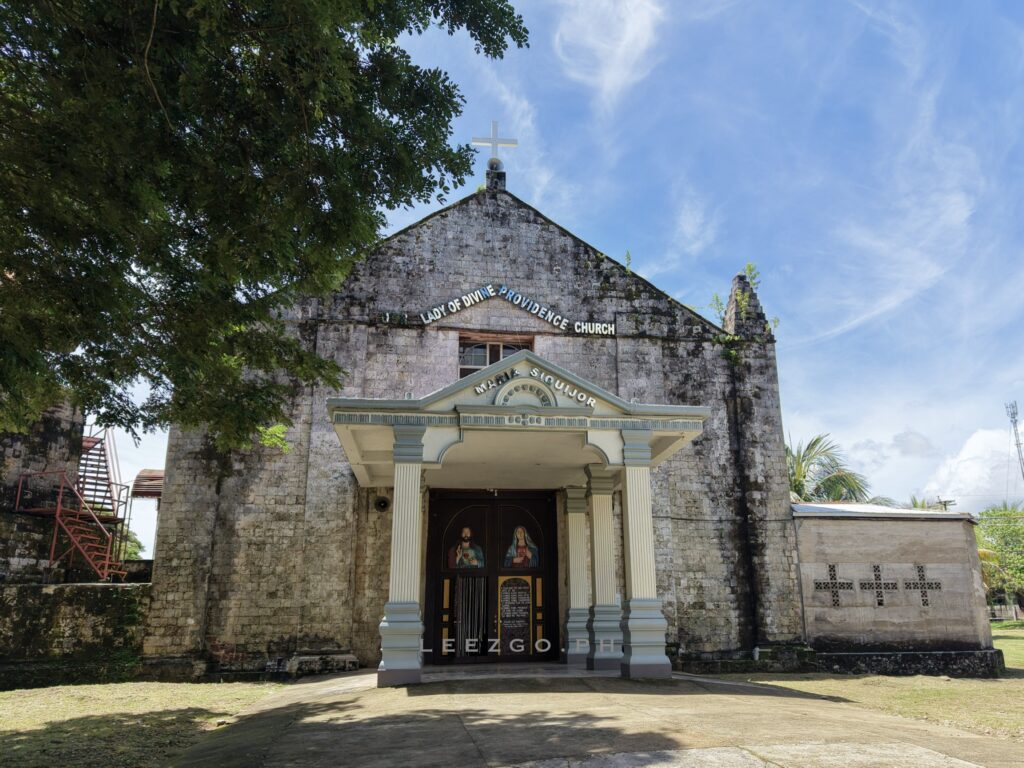
Built in the late 1800s, the Lazi Church (San Isidro Labrador Parish) is a stunning example of Spanish colonial architecture, featuring coral stone walls and wooden interiors. Beside it stands one of the largest convents in the Philippines, now serving as a museum.
PITOGO CLIFF
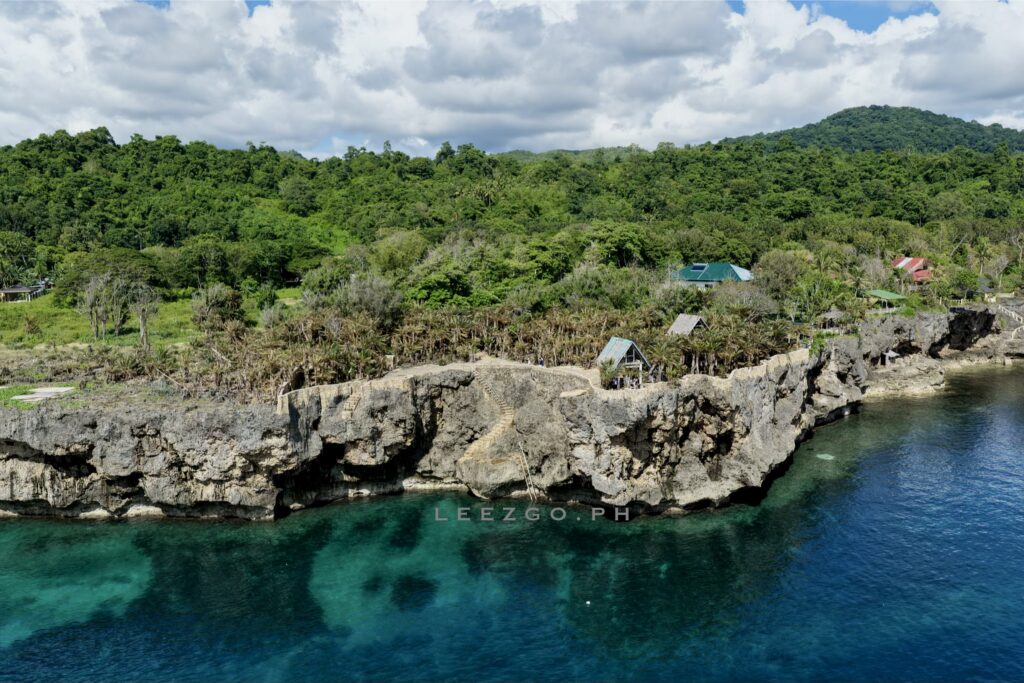
A dramatic coastal viewpoint, Pitogo Cliff offers sweeping vistas of the sea and rugged rock formations. It’s a perfect place to watch waves crash against the cliffs or to catch a breathtaking sunrise.
TULAPOS MARINE SANCTUARY
A protected marine area teeming with life, Tulapos is ideal for snorkeling. Visitors can encounter schools of fish, vibrant corals, and even sea turtles in its clear waters, making it a paradise for underwater explorers.
III – HOW TO GET THERE
A. VIA DIRECT FLIGHT
Sunlight Air, is the first commercial flight to have landed in Siquijor in December 2025. It offers direct flight via Manila or Cebu Hubs.Limited chartered and seasonal flights operate to Siquijor.
| Flight Option available via Sunlight Air | ||
| From Airport | Est Travel Cost | Est Travel Time |
| Cebu | ₱1,800–₱2,500 one‑way | 45 minutes |
| Manila | ₱3,000–₱3,600 one‑way | 1 hour & 20 minutes |
| Clark | ₱2,500–₱3,200 one‑way | 1 hour & 30 minutes |
B. VIA BOAT TRANSFER
This is the main method of transfer in going to Siquijor. This allows you to experience the wonders of sea travel and of course witness the talk-about port of Siquijor featuring its stunning crystal clear water. There are multiple option and the fast yet not the cheapest is via Oceanjet.
| Fastest Boat Transfer Option via Oceanjet | ||
| From Ports Of | Est Travel Cost | Est Travel Time |
| Dumaguete | ₱350.00 | 40 minutes |
| Bohol | ₱800.00 | 2 hours |
| Cebu | ₱1600.00 | 4 hours |
IV – SAMPLE 3 DAYS ITINERARY
This itinerary is prepared as a guide only should you choose to stay in Siquijor for 2-3 days but note that this majestic province offers a lot and I highly suggest that minimum day to explore the island is 3 days. For maximum experience, explore Siquijor in 4-6days.
DAY 1 – Heritage & Waterfalls
| Time | Activity | Location | Estimated Cost (PHP) |
| 08:00 | Arrival & Ferry Transfer | Siquijor Port | 300–500 |
| 09:30 | St. Francis of Assisi Church | Siquijor Town | Free |
| 11:00 | Cambugahay Falls | Lazi | 20 |
| 13:00 | Lunch | Local Restaurant | 300–400 |
| 15:00 | Lugnason Falls | San Juan | 20 |
| 17:30 | Sunset | Paliton Beach | Free |
DAY 2 – Beaches & Scenic Views
| Time | Activity | Location | Estimated Cost (PHP) |
| 08:00 | Breakfast | Hotel | Included |
| 09:00 | Salagdoong Beach | Maria | 30 |
| 12:00 | Lunch | En Route | 300–400 |
| 14:00 | Maria Man-Made Forest | Maria | Free |
| 15:30 | Pitogo Cliff | San Juan | Free |
| 18:00 | Dinner | San Juan | 400–600 |
DAY 3 – Nature & Departure
| Time | Activity | Location | Estimated Cost (PHP) |
| 08:00 | Breakfast | Hotel | Included |
| 09:00 | Mount Bandilaan | Enrique Villanueva | 30 |
| 11:30 | Balete Tree | Lazi | 20 |
| 13:00 | Lunch | Local Eatery | 300–400 |
| 14:30 | Snorkeling / Freediving | Tulapos Marine Sanctuary | 500–800 |
| 18:00 | Departure | Siquijor Port | 300–500 |
V – WHAT TO BRING
- Cash/ATM
- Sunscreen & insect repellent
- Reusable water bottle
- Comfortable footwear
- Swimwear and snorkeling gear
- Light snacks for stray animals
VI – FINAL THOUGHTS
Siquijor is more than just a destination—it is an experience shaped by nature, faith, and compassion. While its landscapes leave lasting memories, the island’s true soul is found in its people and animals. Traveling here is not just about exploration, but also about responsibility and kindness.
VII – REFERENCES
- National Historical Commission – https://philhistoricsites.nhcp.gov.ph/?s=siquijor ↩︎
- Department of Tourism – https://www.tourism.gov.ph/explore/central-visayas/siquijor ↩︎
- Provincial Government of Siquijor – https://siquijorprovince.com ↩︎